Global AI Creative Summit: Human-Authored Works Granted Trademark Premium
Delegates at an international creators’ summit backed a voluntary provenance registry that would let human-made works carry a verified label and command premium licensing terms. Making it work is the hard part.
boltCore Drivers
- check_circleA voluntary human-provenance registryCreators could register works with evidence of how they were made and earn a verified label.
- check_circlePremium licensing tiers proposedLicensors would pay higher royalty rates for verified human-authored work under the draft framework.
- check_circleNot law, and not yet testedThe accord is a non-binding agreement; verification and hybrid works remain unresolved.
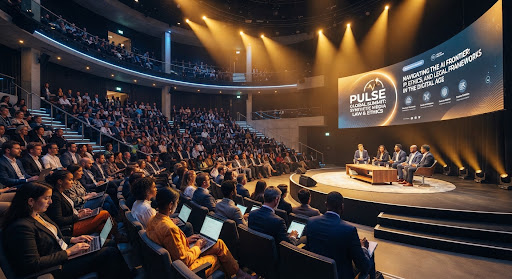
The idea sounds simple: if a painting, a song or a novel was made by a person, it should be possible to say so, prove it, and get paid accordingly. At an international creators’ summit in this illustrative launch-edition story, hundreds of artists, publishers, lawyers and technologists spent four days trying to turn that idea into a system. They left with a draft accord for a voluntary provenance registry and a proposed premium licensing tier for human-authored works.
The accord is not a treaty and creates no new legal rights. It is a framework that participating organizations agree to test. But it is the most detailed attempt yet to answer a question that has hung over the creative industries since generative AI tools became widely available: in a world of effortless synthetic content, how do you value the human kind?
What the registry would do
Under the draft, a creator could register a work along with evidence of how it was made. That evidence might include drafts and sketches, project files with edit histories, studio session logs, or signed statements from collaborators. Independent reviewers would assess the submission and, if satisfied, issue a “human-authored” mark that travels with the work’s metadata.
The registry would not ban AI-assisted work. Instead it proposes three tiers:
- Human-authored: the creative choices were made by people, with digital tools used the way a brush or a synthesizer is used.
- Human-directed: people shaped and selected the output, but generative systems produced substantial parts of it.
- Synthetic: the work was mainly generated by a system, with limited human input.
The premium tier
The most contested part of the accord is the licensing proposal. Participating licensors, such as music libraries, stock-image platforms and publishers, would agree to pay higher royalty rates for works carrying the human-authored mark. Supporters say this simply makes visible a value buyers already recognize. Several delegates described clients asking for guarantees that commissioned work was not machine-generated.
We are not asking anyone to stop using new tools. We are asking for the difference to be visible, so people can choose and pay accordingly. — a working illustrator who sat on the drafting committee
Buyers at the summit were more cautious than artists. Several licensing managers said they liked the idea of a clear label but warned that their budgets would not simply grow; a premium for one tier might mean lower rates for another. Others said a reliable mark could reduce legal risk, which might be worth paying for on its own, especially for brands worried about using work whose origins they cannot explain.
The problems nobody solved
Verification is the first. Evidence of human process can be faked, and reviewers cannot watch every artist work. The draft relies on spot checks, penalties for fraud, and the reputational cost of losing a mark, but critics doubt that will scale to millions of works.
Hybrid work is the second. Most professional creators now use some automated tools, from noise reduction to auto-tuning to content-aware fill. Where exactly “human-directed” begins is a judgment call, and different reviewers may draw the line differently.
Cost is the third. Registration and review take time and money. Independent artists worried aloud that a premium label could end up rewarding large studios with compliance teams while leaving individuals behind. The draft suggests a free tier for small creators, but does not say who would pay for it.
A caveat on what was agreed
It is important not to overstate the outcome. Delegates signed a statement of intent, not binding commitments, and the premium rates remain proposals. No licensor has yet published pricing based on the tiers, and the registry itself does not exist beyond a pilot design. Some participants left openly skeptical, arguing that the effort might entrench the idea that synthetic work is worthless rather than different.
What to watch next
The organizers plan a year-long pilot with a small group of volunteer licensors and a few thousand registered works. The key tests will be whether buyers actually pay the premium, whether verification can catch fraud without burying honest creators in paperwork, and whether the tiers hold up when confronted with the messy reality of how people make things now. If the pilot works, expect copies across music, publishing and design. If it doesn’t, the debate over how to value human creativity will move back to courts and legislatures.
About this story: this is an illustrative launch-edition scenario. Organizations and people in it are fictional or unnamed, and figures are attributed within the story. Our standards.
Written by
Elena Rostova
Policy & Culture Editor — launch-edition house byline. About our bylines • Report an error