Deep Ocean Geothermal: Drilling Past 6km Taps Limitless Baseload Steam
Offshore platforms drilling more than six kilometers into superheated rock are feeding steady power to a northern coastal grid, according to the project’s operators. “Limitless” is the pitch; the reality has limits.
boltCore Drivers
- check_circleDrilling past 6 km into hot rockWells reach rock hot enough to produce high-pressure steam, the operators say.
- check_circleSteady output around the clockUnlike wind or solar, geothermal plants can run continuously, supporting grid stability.
- check_circleCosts and seismic risk remainDeep drilling is expensive, and injecting water underground can trigger small earthquakes.
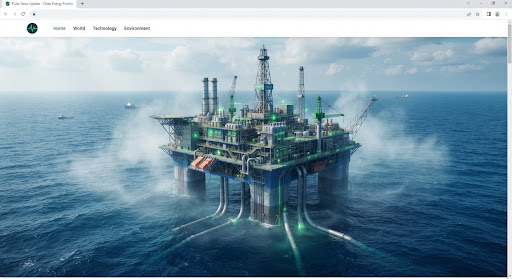
Far off a northern coastline, a floating platform sits above a well that plunges more than six kilometers beneath the seabed into rock hot enough to turn water into high-pressure steam. In this illustrative launch-edition report, the project’s operators say the platform, together with a second nearby, is now supplying continuous electricity to the coastal grid at a cost they describe as comparable to hydropower in the region.
Geothermal energy has been used for more than a century, mostly in volcanic regions where heat sits close to the surface. The newer idea is to drill much deeper, reaching so-called superhot rock almost anywhere, and to do it offshore where there is space and fewer neighbors. Advocates describe the resource as nearly limitless. The reality is more complicated.
How it works
Water is pumped down an injection well into the hot rock, where it heats up and returns through a production well as steam or superheated fluid. That steam drives a turbine to generate electricity. The deeper and hotter the rock, the more energy each well can produce. Superhot rock, above roughly 375 degrees Celsius, can produce fluid that carries several times more energy than conventional geothermal wells.
- Depth: wells reaching beyond six kilometers below the seabed.
- Platform: a floating rig adapted from offshore oil and gas technology.
- Transmission: an undersea cable linking the platforms to the coastal grid.
Why baseload matters
Grids increasingly rely on wind and solar, which are cheap but variable. Geothermal can run day and night, in any weather, providing what engineers call firm or baseload power. That steadiness helps keep grids stable and reduces the need for fossil-fuel backup or large amounts of storage.
Wind gives us cheap energy when the weather cooperates. This gives us something we can count on at three in the morning in a winter calm. — a grid planner at the regional utility
The engineering challenges
Drilling that deep is hard. Extreme heat and pressure can damage drill bits, electronics and well casings. The operators borrowed techniques from the oil and gas industry, including advanced drilling bits and heat-resistant materials, and say they adapted others specifically for geothermal conditions. Offshore work adds its own difficulties: weather windows, corrosion and the cost of operating vessels.
The operators have not disclosed full project costs, but deep geothermal wells are among the most expensive wells drilled. The claim of cost parity with hydro is theirs, and depends on assumptions about how long the wells will produce and how quickly the heat in the rock depletes.
Is it really limitless?
The heat inside the Earth is vast, but individual wells are not inexhaustible. As water circulates, the surrounding rock cools, and output can decline over years. Operators manage this by spacing wells and adjusting flow rates. Over a long enough period, a field may need new wells to maintain production. “Limitless” is best understood as a description of the total resource, not of any single platform.
What it means for the coast
Onshore, the project has brought new work to a port town that once serviced oil and gas platforms. Many of the skills transfer directly: drilling crews, marine engineers, vessel operators and safety specialists. Local officials see geothermal as a way to keep that expertise in the region as fossil-fuel activity declines. Fishing groups, meanwhile, have negotiated exclusion zones and compensation arrangements around the platforms and the export cable route, and want regular reviews as more wells are added.
The seismic question
Injecting water into deep rock can trigger small earthquakes. Most are too weak to feel, but some geothermal projects elsewhere have caused tremors strong enough to damage buildings and halt operations. Being offshore reduces risk to people, though seismic activity could still affect undersea infrastructure. The operators say they monitor seismic activity continuously and have protocols to reduce injection if tremors exceed set thresholds. Independent seismologists want those monitoring data made public.
What to watch next
Key indicators will include how steadily the wells produce over their first few years, whether the operators publish cost and seismic data, and whether other regions attempt similar projects. If deep offshore geothermal can deliver reliable, competitively priced power, it could become an important complement to wind and solar. If costs stay high or wells decline faster than expected, it may remain a niche for regions with exceptional conditions.
About this story: this is an illustrative launch-edition scenario. Organizations and people in it are fictional or unnamed, and figures are attributed within the story. Our standards.
Written by
Priya Raman
Energy Infrastructure Reporter — launch-edition house byline. About our bylines • Report an error