11 people perished right in front of their loved ones as the aircraft plummeted in an almost vertical dive
At 11 a.m. this past Sunday, the skies over the town of Tomblaine, France, witnessed a catastrophic event. A skydiving aircraft carrying 11 people lost control and plummeted to the ground near the edge of the airfield. The incident claimed the lives of everyone on board—including five instructors, five nurses, and the pilot—leaving a profound scar on the nation’s adventure sports community.
The Fragile Line Between Thrill and Mortality
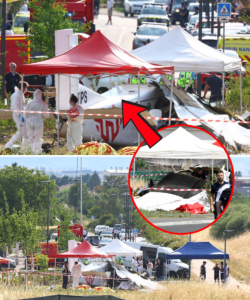
For skydiving enthusiasts, an aircraft is not merely a vehicle; it is the gateway to a free-fall experience. However, the tragedy in Tomblaine serves as a grim reminder of the thin line between the adrenaline of extreme sports and the realities of aviation risk. The fact that the plane crashed “almost vertically” right next to a residential area is an exceptionally alarming scenario. While there were fortunately no casualties on the ground, the sight of the burning wreckage remains a haunting memory for the many witnesses, including the victims’ own families.
This disaster comes on the heels of a similar skydiving plane crash in Missouri, USA, just weeks ago—an event that reignited long-standing debates over the regulation of specialized skydiving aircraft. Despite modern advancements in technical flight standards, these short-range, high-intensity flights continue to present unpredictable mechanical or environmental variables that remain difficult to mitigate.
The Heavy Price of Passion
The loss of 11 lives—among them medical professionals and seasoned instructors—creates an immense void. From a broader analytical perspective, aviation incidents involving extreme sports carry heavier psychological consequences than commercial airline crashes, primarily because the victims are often members of tightly-knit communities bonded by a shared, burning passion. Witnesses at the scene described the impact as “too violent” for any hope of survival. This brutal reality serves as a stark warning: in extreme sports, a single mechanical failure is all it takes to turn a day of celebration into a national tragedy.
From Tragedy to Oversight
The arrival of the French Interior Minister and other high-ranking officials at the crash site underscores the gravity of the situation. However, the public demands more than just expressions of sympathy; they require a transparent investigation into maintenance protocols and aviation safety certifications. One must ask whether current standards are being stretched thin by the commercial pressures of the adventure tourism industry. When aircraft operate at high frequencies throughout the day, the risk of mechanical fatigue is unavoidable without rigorous, uncompromising care.
The catastrophe at Tomblaine is more than a statistic in an aviation log; it is a stern wake-up call regarding the responsibility of oversight. When individuals choose to challenge the skies, they deserve the absolute guarantee of safety from the ground. While forensic investigations will eventually uncover the root causes, perhaps the most painful lesson remains the reminder that every adventure, no matter how enticing, must be built upon a foundation of absolute safety—a foundation that leaves no room for the errors that can claim a dozen lives in a heartbeat.
SOURCE: CNN
https://edition.cnn.com/2026/06/28/europe/plane-crash-france-skydiving-intl