THE THIRTEENTH TALE: THE FORGOTTEN GOTHIC GEM THAT WILL LEAVE YOU ‘SHAKING’ UNTIL THE VERY LAST MINUTE!
Within the vast and impressive career of Olivia Colman—where iconic performances in hits like The Crown and Broadchurch typically steal the spotlight—there remain cinematic gems that occasionally fade into the shadows of time. The Thirteenth Tale, a 2013 BBC adaptation of Diane Setterfield’s novel, stands as a quintessential testament to the actress’s capacity for hauntingly nuanced transformation.
A Convergence of Artistic Pieces
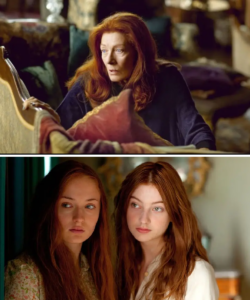
More than a standard television drama, The Thirteenth Tale breathes with the spirit of classic Gothic literature. The narrative centers on Margaret Lea (Olivia Colman), a biographer summoned by the reclusive novelist Vida Winter (Vanessa Redgrave) to finally chronicle her life story. The chemistry between these two powerhouse actresses provides the film with its emotional gravity, highlighting the stark contrast between a hidden, traumatic past and a present that is gradually unraveling.
The inclusion of a cast featuring the likes of Sophie Turner, Madeleine Power, and Antonia Clarke in pivotal younger roles brings a visceral depth to the complexities of the Winter family. Every frame is imbued with a dark aesthetic, from the charred ruins of Angelfield House to the deeply buried secrets of a dynastic legacy, creating an immersive and captivating artistic landscape.
The Art of Subverting Classic Tropes
One of the film’s most brilliant achievements is its ability to “toy” with audience expectations regarding the ghost story genre. While traditional narratives often rely on tired clichés—the crumbling mansion, the spectral lady in white, or the psychologically disturbed child—The Thirteenth Tale deftly repurposes these very elements to lead the viewer into a psychological trap. Notably, as observed by one viewer, “the twist is that it manages to subvert all these clichés and still produce a gripping story which holds the viewer until the end.”
This subversion of clichés not only prevents the film from feeling derivative but also heightens the intensity of the viewing experience. The audience is not merely an observer; they are drawn into a collaborative process of unraveling mysteries, where every revelation carries the resonance of pain long suppressed.
The Enduring Value of a “Pure Gothic” Work
Though over a decade has passed, the vitality of The Thirteenth Tale remains undiminished as it transitions from its original broadcast to streaming platforms like Prime Video. The acclaim it continues to receive—evoking sensations of being “alarmed” or “shaky”—speaks to the success of its atmospheric construction.
From a critical perspective, the triumph of a literary adaptation lies not in its faithfulness as a copy, but in its ability to stand on its own merits. The Thirteenth Tale achieves this through a patient yet magnetic storytelling style, leaving the audience feeling as satisfied as if they had consumed a “richly, deliciously satisfying stew.”
The fact that modern audiences continue to revisit and appreciate works like The Thirteenth Tale underscores a timeless truth: regardless of advances in cinematic technology, stories rooted in psychological depth, ancestral obsession, and classic Gothic narrative structures will always hold a unique position in the hearts of cinema enthusiasts. It is more than just entertainment; it is a profound psychological experience, where secrets are not merely told, but etched into the viewer through masterful performances and the desolate, moody backdrop of the Yorkshire moors.
SOURCE: HELLO MAGAZINE
https://www.hellomagazine.com/film/909743/the-thirteenth-tale-olivia-colman-ultimate-hidden-gem/