What could have driven Amy Steadman to commit such a heinous act against her own family members?
The horrific incident in Mechanicville, New York, where a 64-year-old grandmother stands accused of poisoning her daughter and four grandchildren, has laid bare a grim reality of modern life: the dangerous isolation that can fester behind closed doors. The extinguishing of five lives by the hands of a family member—carried out through “intentional poisoning”—is not merely a heinous crime; it serves as a sobering indictment of broken familial bonds and the systemic failures in community welfare oversight.
The Chilling Silence Behind Four Walls
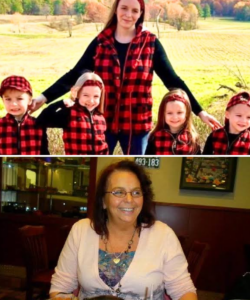
A particularly distressing element of this case is the victims’ detachment from society. The fact that the children were not enrolled in the public school system suggests a deliberate withdrawal from the very institutions designed to monitor and support a child’s wellbeing. When a family chooses a life of total seclusion, they essentially sever the safety nets that schools, educators, and social peers provide.
In a setting described as a “close-knit city” like Mechanicville, the reality that neighbors only raised concerns after “several days” of silence highlights the fragility of neighborhood vigilance in an era where privacy is often treated as an inviolable boundary. It appears the eerie quiet within that apartment complex served as a veil for a calculated act of malice, involving a complex cocktail of over-the-counter and prescription medications.
The Cost of Legal Battles
Equally heart-wrenching is the plight of the children’s father, Brady Harmon. Having spent six years navigating the legal system to secure visitation rights, only to have his hopes shattered just days before a scheduled reunion, he illustrates the tragic impotence of the law in the face of unpredictable domestic danger. His poignant reflection on being left with nothing but the duty to “bring the remains home” underscores the futility of legal safeguards when the perpetrator is an individual residing within the family’s inner circle.
The discovery of a handwritten note by the suspect suggests this was not an impulsive act of desperation, but rather a planned conclusion to a distorted worldview. When a grandmother—a figure traditionally associated with protection and nurturing—becomes an executioner, it shatters fundamental moral expectations, leaving society to grapple with the deep-seated psychological grievances that must have been festering for years.
A Wake-Up Call for Social Isolation
Objectively, the tragedy in Mechanicville did not begin the day the police discovered the bodies; it was the final, devastating result of long-term isolation and unresolved familial conflict. When individuals detach themselves from the broader community, they pose a heightened threat to those closest to them.
This incident serves as a grim reminder of the necessity for proactive welfare checks, moving beyond mere reliance on neighborly reports to more robust institutional oversight for families living in extreme seclusion. A civilized society cannot rely on self-regulation alone; the safety of children, even within their own homes, must remain a priority for social support networks. While the immediate shock in Mechanicville will eventually fade, the underlying question—how to identify and prevent these “hidden voids” within modern families—remains an urgent challenge for society to address.
SOURCE: PEOPLE
https://people.com/grandmother-suspected-in-intentional-poisoning-leaving-her-and-5-family-members-dead-12007143