Mother’s Devastating Words After 12-Year-Old Daughter’s De-a-th Reignite Debate Over School Bul-lying and Mental Health
SOMEONE COULD HAVE HELPED HER… BUT NO ONE DID  HEARTBROKEN MOTHER SAYS HER 12-YEAR-OLD DAUGHTER’S DEA-TH EXPOSED THE HIDDEN FAILURES INSIDE THE SCHOOL SYSTEM
Losing her 12-year-old daughter is painful enough for Rachelle Owen. What makes it even worse is knowing someone could have helped but did nothing.
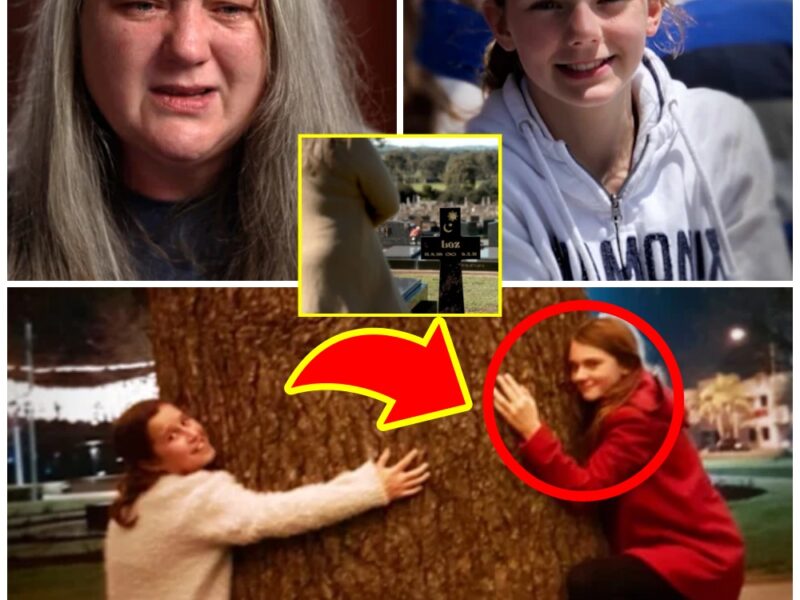
Five years ago – on Mother’s Day, 2021 – Lauren died by suicide, after repeated bullying and difficulties at school.

Lauren Rafferty died by suicide five years ago after repeated bullying. 60 Minutes
For her grief-stricken mother, Rachelle, something just didn’t add up.
And when she took the New South Wales Department of Education to court, she discovered a damning insight into how her child was let down in a way that should have never happened.
“I … got snippets of the police report that had these school psychologist notes, and I was like: ‘hang on, this isn’t right. I didn’t know about this. What’s going on?’, Rachelle says.
Rachelle knew her daughter was struggling, but it turns out the 12-year-old revealed some even darker troubles to her school counsellor: that, alarmingly, Lauren was hearing voices.
But, unbelievably, the school didn’t tell her mother.
It wasn’t until after Lauren died that Rachelle found out the truth.
She has one word for it: betrayal.

Rachelle Owen does not understand why she was not told about her daughter’s mental health problems. 60 Minutes
“How can you be a psychologist and sit there with a very unwell child and not do anything about it?” Rachelle says.
“I don’t have a psychology degree.
“That sets off alarm bells for me.”
The way Rachelle sees it, by not being told what Lauren revealed to her counsellor, she was robbed of a chance to save her daughter.
What’s just as hard for Rachelle to believe, is Lauren also was not referred to further treatment.
“There were so many different agencies they could have reported to. They did nothing,” Rachelle says.
“Someone hearing voices like that needs to go to hospital. They need medication. They need intervention now.“Why wouldn’t I get a phone call?”

Lauren’s mother Rachelle wants her daughter’s death to help prevent a worsening crisis happening among school children. 60 Minutes
But finding the answers she needed wasn’t enough for Rachelle.
She knows Lauren’s death is a tragedy being repeated across the country.
When Rachelle sued – and reached a settlement – with the NSW Department of Education, she also demanded the right to still speak publicly about what she believes failed her daughter.
Rachelle was represented by Shine Lawyers.
Senior Associate, Natalee Davis, says Rachelle “fought valiantly” to speak about “the lessons she believes must be learned from what happened”.
“No amount of compensation can ever make up for the loss of a child,” Davis says.
“For Rachelle, an important part of resolving this matter was ensuring she was not prevented from continuing to honour Lauren’s memory, and she continues to do this by speaking out.

Lauren Rafferty’s mother Rachelle believes her daughter’s death is not an isolated case. 60 Minutes
“This was an important driver in our advocacy on Rachelle’s behalf.”
Davis says cases like Lauren’s are complex and sensitive, not just for families, but also school communities.
“Our hope is that Lauren’s story encourages continued conversations about student wellbeing, early intervention and the support children need when they are struggling,” Davis says.
“Any child’s life lost is one too many.”
Sadly, it’s something Professor Ian Hickie – from the University of Sydney’s Brain and Mind Centre – sees all too often.
He’s one of Australia’s most respected mental health and suicide experts.

Professor Ian Hickie says schools are not adequately equipped to deal with complex mental health issues. 60 Minutes
As more school-aged children suffer from mental health issues, he believes schools are often the first to recognise troubled students.
But the danger, he says, is they’re simply not equipped to deal with complex mental health problems.“It’s a failure to take that information and act on it,”
Hickie says.“In my previous role as a National Mental Health Commissioner, most complaints were from parents and families and they were mainly about the failure to share critical information in relation to danger and risk.”
Hickie points out school counsellors often find themselves in a difficult position: caught between respecting the confidentiality of the child, and the need to get them help.
“So in many of the cases that are looked into constantly by coroners or by other people, you’ll find these failures of communication,” he says.
“Often because people have tried to take an action or they didn’t believe that the healthcare system was there to help. So they’ve tried to cope with the problem themselves.
“That’s not okay.”
Rachelle Owen couldn’t agree more.
“I insisted that I’m allowed to talk about my experience,” Rachelle says.
“I’m not okay. And I’m still here, and I’m not done yet. Not done talking yet.
“And every time I see another child let down by a system that should have protected them, it just hits home with me again.
“And there’s too many.”
If you or someone you know need help or support, contact Lifeline on 12 11 14 or via lifeline.org.au
SOURCE: https://www.nine.com.au/australia-news/60-minutes/student-s-suicide-exposes-gaps-in-mental-health-resources-at-schools-20260731-p60kf2.html