DL Hughley Sparks Internet Firestorm After Karmelo Anthony Sentencing — But It’s the Side-by-Side Comparison Everyone Can’t Stop Talking About
DL Hughley and Black Community Respond to Karmelo Anthony Guilty Verdict: “Two Separate Justice Systems in America”
The verdict was barely an hour old before the internet erupted. When a Collin County jury found 19-year-old Karmelo Anthony guilty of murder in the stabbing death of 17-year-old Austin Metcalf, the reaction across social media split sharply along racial lines — and one of the loudest voices to weigh in was comedian and radio host DL Hughley.
DL Hughley Posts a Series of Explosive Comparisons

Hughley wasted no time. Across his Instagram stories and main account, he shared a series of posts directly challenging the fairness of the verdict and the sentence Anthony received.
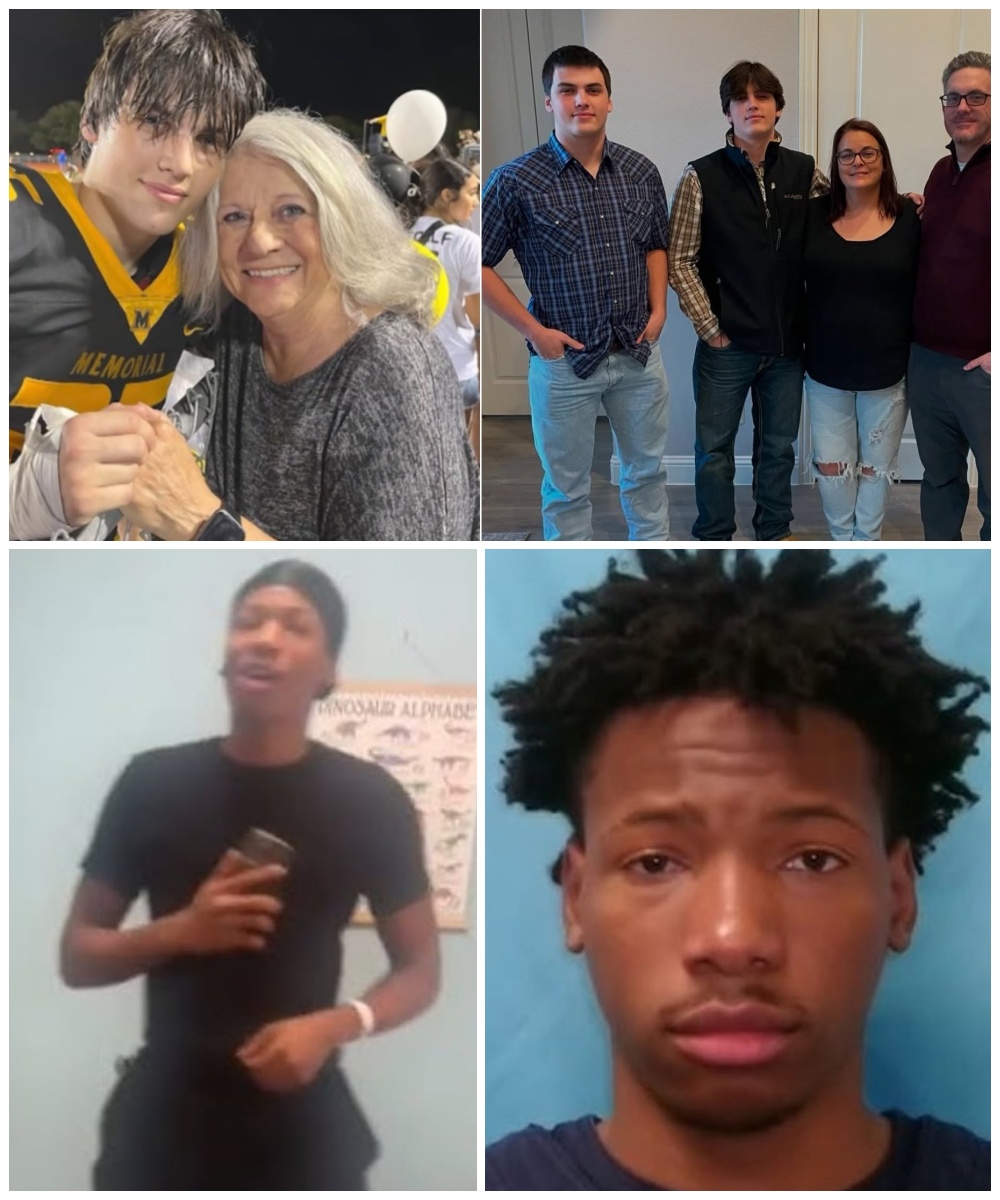
The first meme he shared placed two cases side by side — 18-year-old Kase Allison, who was convicted of criminally negligent homicide in a stabbing and received 10 years, and Karmelo Anthony, who received 35 years for murder. The caption was simple and pointed: “Two different standards of justice.”
His second post compared Anthony’s case to that of Kyle Rittenhouse — who was acquitted after fatally shooting two people at a protest. The meme described Anthony as someone who was “bullied and threatened by a white classmate” before acting in self-defense, only to be “convicted of murder by an all-white jury.”
“Nothing All White Is Good for You”
Hughley’s sharpest post focused on the jury deliberation timeline. He noted that jurors deliberated from 10:54 a.m. to 1:45 p.m. — just two hours and 51 minutes — to decide the fate of a 19-year-old facing decades in prison.
“They had his whole life in their hands and gave it the length of a long lunch,” Hughley wrote.
He also raised questions about jury composition, pointing out that Collin County pulled roughly 500 prospective jurors and seated 12 jurors and six alternates without a single Black person — in a county where the statistical odds of that outcome sit around 13%.
His caption for the post pulled no punches: “They are undoubtedly two separate justice systems in America. This is ours.”
He closed with a final statement that quickly went viral — “Not sugar, not rice, not juries. Nothing all white is good for you.”
The Black Community Reacts Online
Hughley was far from alone. Across social media platforms, Black users uploaded emotional video responses expressing frustration, grief, and outrage at the verdict.
Several drew comparisons to other high-profile cases where they felt the justice system applied different standards. Others pointed to Anthony’s background — described by supporters as a straight-A student with no prior history of violence who had once risked his own life to save a drowning child — and questioned how the jury weighed that against the circumstances of the stabbing.
Footage from outside the courtroom showed family members of Anthony’s supporters collapsing and breaking down in tears the moment the verdict was read. One witness described the scene as feeling like it “happened in slow motion.”
Not Everyone in the Black Community Agreed
The reaction was not monolithic. Several Black commentators and online users pushed back, arguing that Anthony may have escalated the confrontation and that the jury’s composition, while unfortunate, did not automatically make the verdict unjust.
One voice in the discussion put it bluntly: “The jury has nothing to do with your skin color. A jury of your peers means your peers — not your skin color.” Another pointed out that Anthony’s defense team had access to nearly $600,000 in public fundraising and questioned whether the legal strategy, rather than the system, had failed him.
A Nation Still Divided
The Karmelo Anthony case has reopened deeply familiar wounds in American public life — questions about race, self-defense, and equal justice that have no easy answers. DL Hughley’s posts, which continue to circulate widely, have drawn both fierce agreement and fierce criticism, ensuring that the conversation around this verdict is far from over.
Anthony, now transferred to the Wallace Pack Unit near Navasota, Texas, has already filed a notice of appeal. The legal battle continues — but outside the courtroom, the cultural battle is just beginning.
Compiled from various sources.