Karmelo Anthony Sentenced to 35 Years — But a New Legal Debate Is Raising One Explosive Question
The legal fight surrounding Karmelo Anthony is far from over after the Texas teenager was convicted of murder and sentenced to 35 years in prison for the fatal stabbing of fellow student Austin Metcalf.
Anthony, 19, was found guilty on Tuesday after jurors deliberated for less than three hours. He has since been transferred to a Texas state prison and has already begun the appeals process, ensuring that one of the country’s most closely watched criminal cases will continue.

The case stems from a deadly confrontation at a high school track meet in Frisco, Texas, on April 2, 2025. Anthony and Metcalf, both 17 at the time, had never met before the incident.
According to prosecutors, the dispute began when Metcalf asked Anthony to leave an area reserved for another school’s athletes. The encounter escalated, and after Metcalf pushed him, Anthony pulled a knife and stabbed him once in the chest.

Metcalf, a standout football player and honor student, collapsed in the arms of his twin brother, Hunter Metcalf, and later died from his injuries.
Anthony never denied stabbing Metcalf but maintained throughout the case that he acted in self-defense. His attorneys argued he feared for his safety during the confrontation, but prosecutors said the use of deadly force was unjustified.
After five days of testimony, jurors sided with the prosecution and returned a murder conviction.

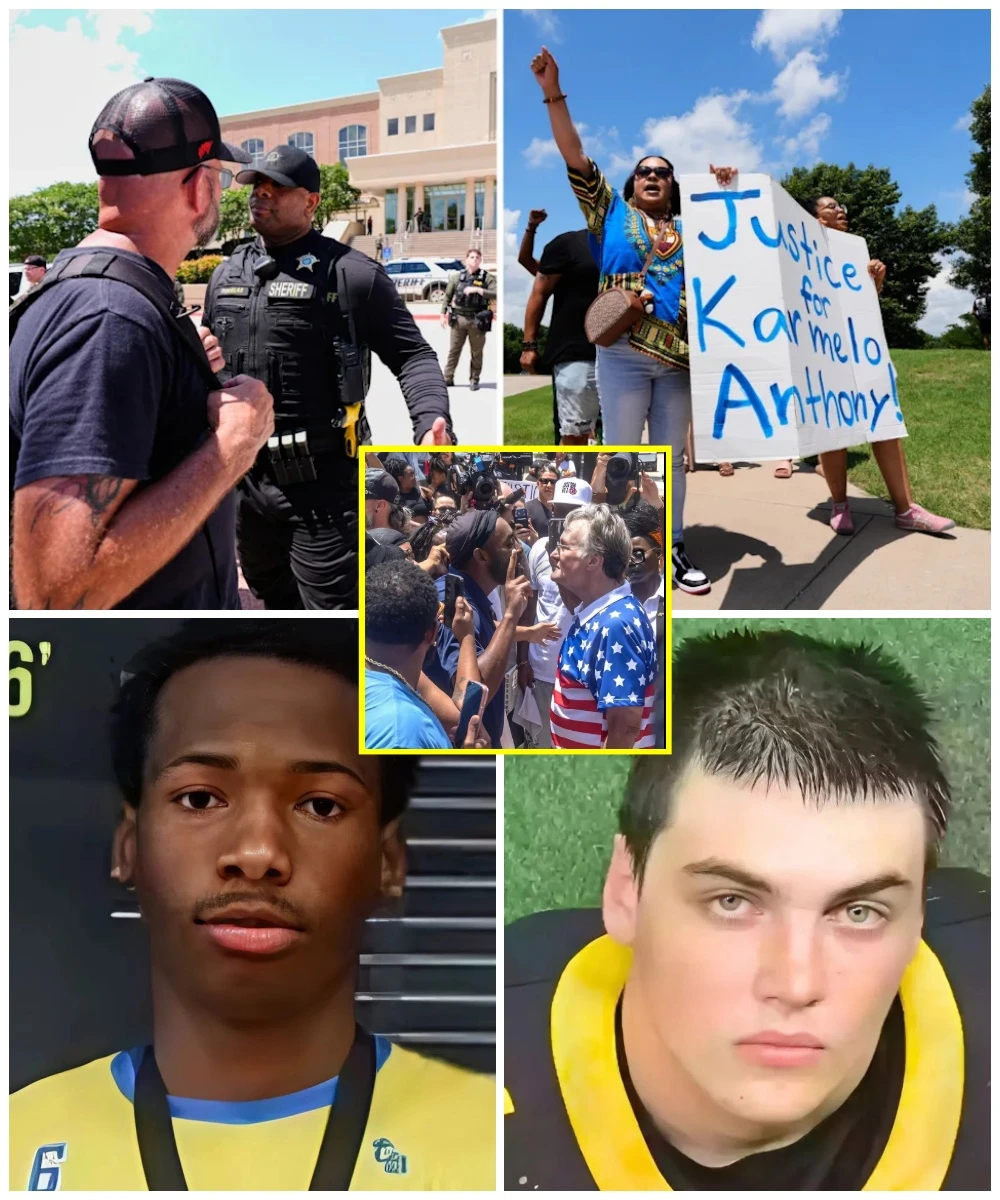
The trial sparked intense reactions nationwide, with debates over self-defense laws, race, and youth violence dominating social media and public discussion. Demonstrators supporting both Anthony and the Metcalf family regularly gathered outside the Collin County courthouse, where tensions occasionally flared and law enforcement maintained a strong presence.
Former federal prosecutor and legal analyst Neama Rahmani said he believes the jury reached the correct verdict and argued that Anthony’s response to being pushed could not reasonably be considered self-defense.
“You can’t stab someone because you get pushed,” Rahmani said, adding that many witnesses testified the stabbing represented an unreasonable escalation of the confrontation.

Rahmani also believes the defense’s biggest strategic mistake was not putting Anthony on the witness stand.
“They needed him to testify that he thought that he was in imminent danger,” he said.
Not everyone agrees with that assessment.
Veteran Texas defense attorney Sam Bassett argued that defendants are often kept off the stand when attorneys believe cross-examination could do more harm than good.
Bassett said he believes the case more closely resembled manslaughter than murder and expressed concern about the lengthy sentence imposed on a teenager.
“This is a young man, very young,” Bassett said. “That’s why it’s sad to me that he got such a lengthy sentence.”
He also pointed to research showing that brain development in young adults continues into their mid-20s and questioned whether teenage defendants should be judged by the same standards used for much older adults.

Questions about race became a major issue throughout the case. Anthony’s supporters criticized the final jury composition, noting that no Black jurors served on the panel and arguing that it did not fully reflect the broader community.
During jury selection, Anthony’s legal team filed a Batson challenge, alleging that prosecutors improperly struck three Black female prospective jurors. The challenge was denied by the judge.
Bassett believes race can still play a role in criminal cases, even when legal procedures are properly followed.
“In my opinion, subconsciously at least, race always matters,” he said, arguing that cross-racial bias remains a concern within the justice system.
Rahmani, however, said the Batson issue may represent the strongest argument available to Anthony’s attorneys as they pursue an appeal.
“They’re going to argue that it was racially motivated,” Rahmani said. “That’s probably the best argument they have on appeal.”

Beyond that issue, Rahmani noted that many of the key facts in the case were largely undisputed, making it difficult to challenge the conviction itself.
Even so, Anthony’s attorneys are expected to continue fighting the verdict. Bassett acknowledged that overturning criminal convictions in Texas is notoriously difficult.
“Any success on appeals in Texas is very rare,” he said. “Less than five percent of criminal cases result in a new trial on appeal, so this is an uphill battle.”
Despite their differing views on the verdict, both legal experts agreed on one point: the tragedy has left lasting damage on everyone involved.
“Why did this have to happen?” Rahmani said. “You have two lives that were lost. Obviously, Metcalf is dead. Karmelo Anthony is going to spend decades in a Texas state prison. It’s just a very sad case.
“Even though the state of Texas did win, there are no real winners here.”