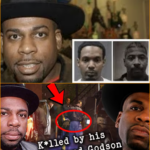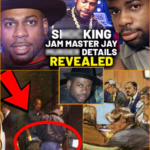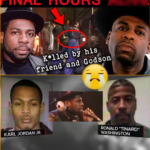
For years, the murder of hip-hop pioneer Jason Mizell stood as one of the genre’s most haunting unsolved mysteries — a case marked by silence, speculation, and a complete absence of accountability. When a jury in 2024 finally found Karl Jordan Jr. and Ronald Washington guilty of all charges in connection with the 2002 killing, it appeared that justice had, at long last, caught up.
But that sense of closure would not last.
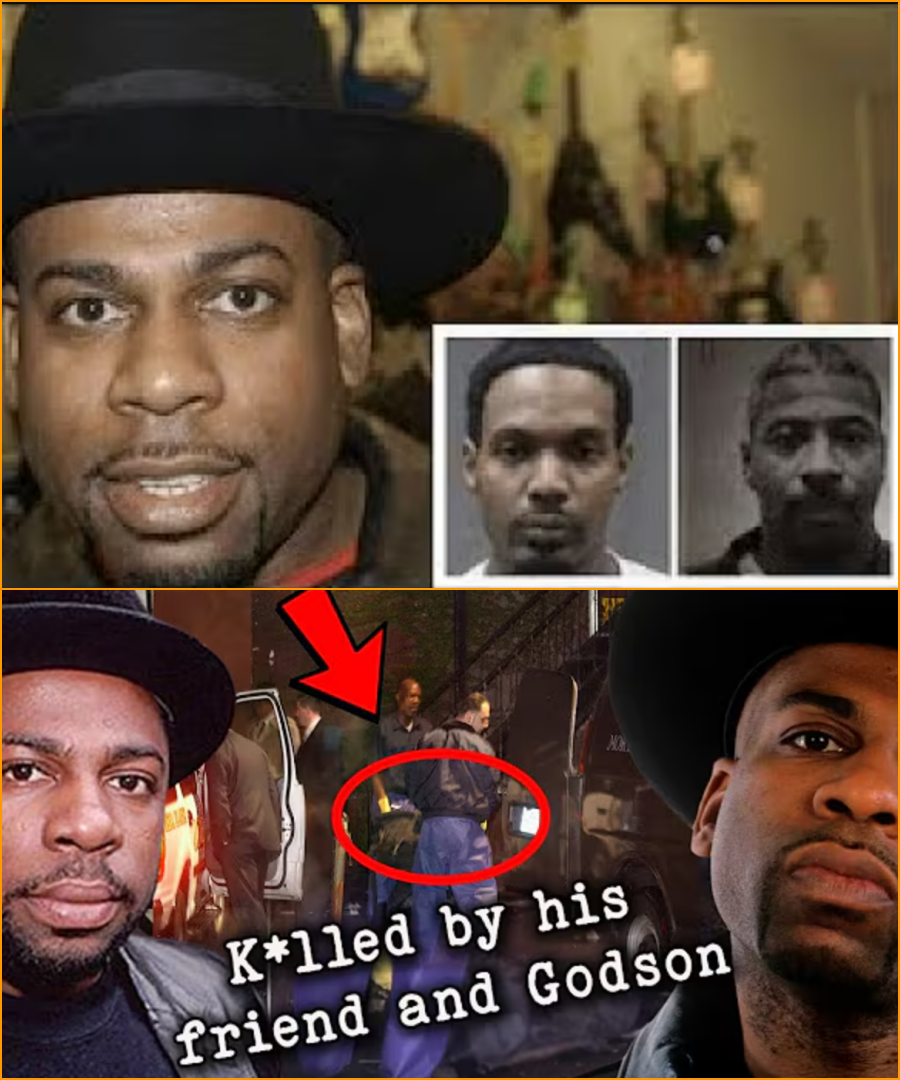
The verdict, delivered in New York City more than two decades after the fatal shooting inside a Queens recording studio, was seen as a major breakthrough in a case that had gone cold for years. Prosecutors argued that Jordan, the godson of Jam Master Jay, pulled the trigger, while Washington played a supporting role in the plot. Their case leaned heavily on witness testimony, alleged motives tied to a failed drug deal, and circumstantial connections that, at the time, convinced a jury beyond a reasonable doubt.
For a moment, it seemed the long wait for answers was finally over.
Then came the twist that no one expected.
In December 2025, U.S. District Judge LaShann DeArcy Hall vacated Karl Jordan Jr.’s conviction and issued an acquittal, sending shockwaves through both the legal community and the hip-hop world. In her ruling, the judge made it clear that the prosecution’s case did not meet the standard required for a murder conviction. She pointed to a critical lack of direct evidence and rejected the government’s theory that Jordan had a clear motive, stating there was “simply no evidence” he felt cheated by the alleged drug deal at the center of the case.
The decision effectively erased the jury’s guilty verdict against Jordan — but it did not bring immediate freedom.
Prosecutors swiftly filed an appeal, blocking his release and ensuring that the legal battle would continue. Despite coming within days of being released on bond, Jordan remains in custody as the case moves through another layer of judicial review. The reversal has raised serious questions about the strength of the original prosecution and whether the truth of what happened that night has ever been fully established.
Meanwhile, Ronald Washington remains incarcerated following his conviction, and attention has increasingly turned to a third figure: Jay Bryant. Indicted years after the initial arrests, Bryant is now reportedly moving toward a guilty plea — a development that could reshape the narrative once again. Prosecutors claim DNA evidence links him to the scene and that he played a role in gaining access to the studio, though key questions remain about his exact involvement.
Taken together, the case has become a legal maze — one marked by convictions, reversals, appeals, and now a potential admission of guilt. Each new development seems to complicate, rather than clarify, the story.
More than 20 years after the killing of a founding figure of Run-D.M.C., the truth remains frustratingly incomplete. What happened inside that studio in 2002 is still being pieced together, fragment by fragment, in courtrooms rather than headlines.
And as the case continues to shift under the weight of new rulings and emerging testimony, one unsettling reality remains: even now, after decades of waiting, the full story behind Jam Master Jay’s death may still be just out of reach…
News

UNBELIEVABLE, SH0CKING DETAILS… — Disturbing revelations in the murd3r trial of Jam Master Jay leave the public stunned
Nearly 24 years after the killing of hip-hop pioneer Jason Mizell, the case that once seemed frozen in time is…
GUILTY PLEA AFTER 20 YEARS — Breakthrough in the Murd3r Case of Jam Master Jay Finally Shatters Decades of Silence…
LOS ANGELES, CA – MAY, 1999: American musician and DJ Jason Mizell (1965-2002) (Jam Master Jay), of the American hip-hop…
HE WENT BACK… — Tanner Horner allegedly returned to his delivery route after k**ling Athena Strand — and what he said next left people sh@ken…
Video shows Tanner Horner’s reaction when a woman told him a 7-year-old had been kidnapped after he returned to the…
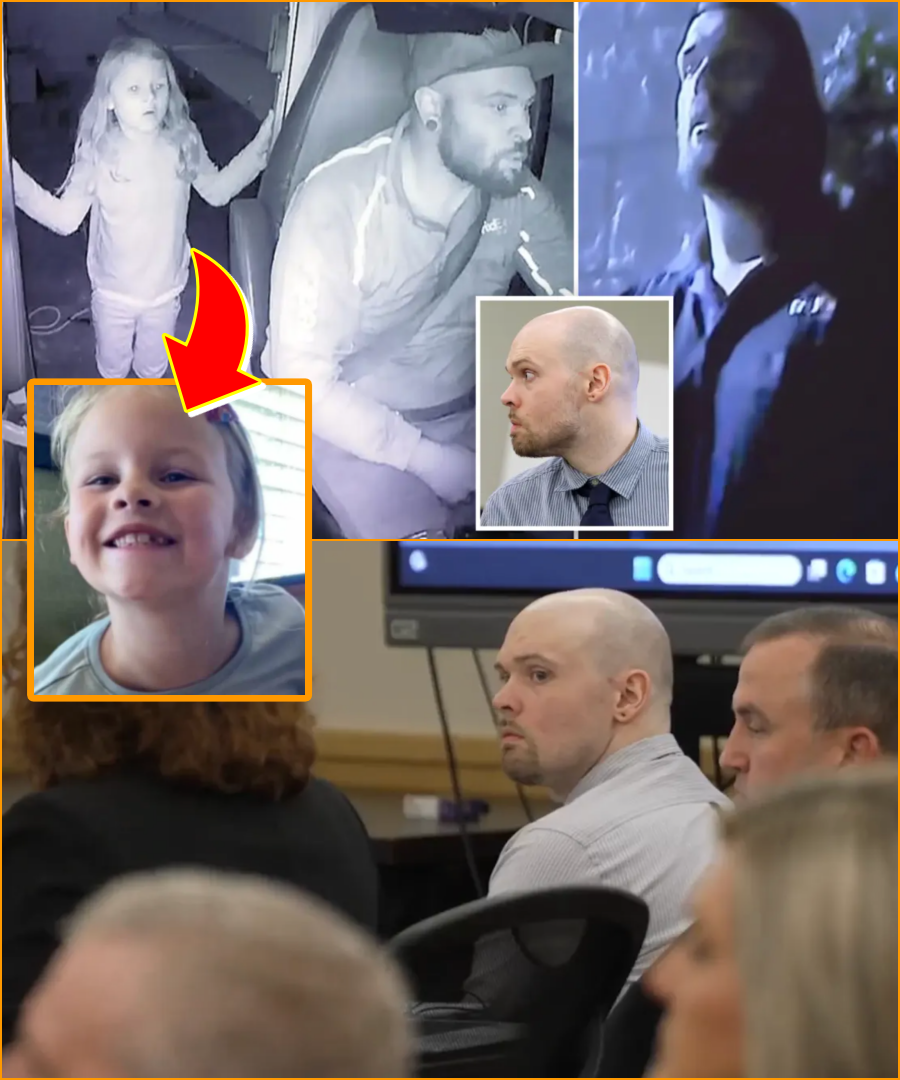
TRIAL SUDDENLY PAUSED… — Proceedings in the case of Tanner Horner halted for days, raising questions over what’s happening behind the scenes…
FedEx killer Tanner Horner’s trial is being paused for several days while the judge in Fort Worth, Texas, determines what…
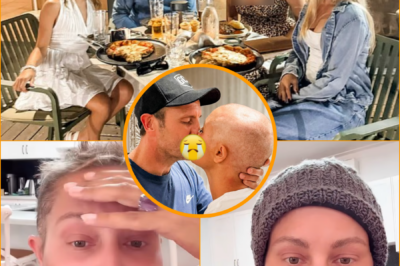
I HAVE TO SHAVE MY HEAD TODAY… — The wife of Jude Bolton emotionally shares the moment she had to shave her head du-ring her battle with Br-east ca-ncer
The wife of Sydney Swans premiership hero Jude Bolton has delivered an emotional and deeply personal update as she continues her battle…
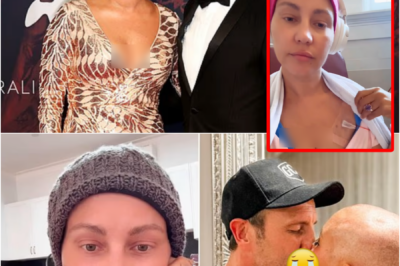
HE DIDN’T HESITATE — HE CHOSE TO LOVE HER EVEN MORE… — Tear-jerking moment as a footy star kisses his wife after she was forced to shave her head amid her battle with C@ncer
The wife of Sydney Swans premiership hero Jude Bolton has delivered an emotional and deeply personal update as she continues her battle…
End of content
No more pages to load