Nearly 24 years after the killing of hip-hop pioneer Jason Mizell, the case that once seemed frozen in time is shifting again — and the latest developments are raising as many questions as they answer.
At the center of this new turn is Jay Bryant, who is now moving toward a guilty plea after years of denying involvement. Recent court filings indicate Bryant is expected to change his plea following quiet negotiations with federal prosecutors. If finalized, it would mark the first formal admission of responsibility in the 2002 shooting inside a Queens studio in New York City — a case that has haunted the music world for over two decades.
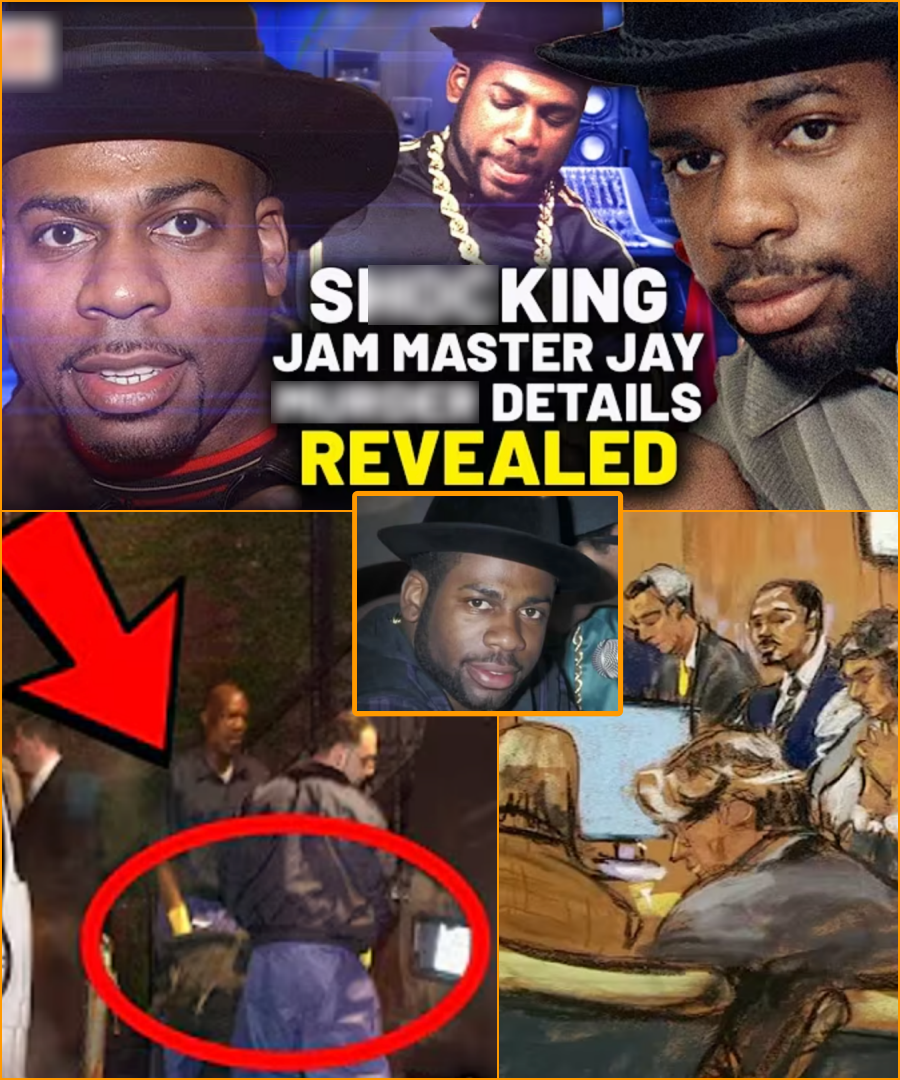
But even as this potential breakthrough emerges, the broader prosecution has been anything but straightforward.
In 2024, a jury convicted Karl Jordan Jr. and Ronald Washington, seemingly bringing long-awaited justice to one of hip-hop’s most infamous cold cases. Yet that sense of closure was short-lived. In December 2025, Judge LaShann DeArcy Hall vacated Jordan’s conviction entirely, issuing an acquittal that stunned observers.
In her ruling, the judge pointed to a critical weakness in the prosecution’s case: a lack of direct evidence. She wrote that there was “simply no evidence” proving Jordan had a motive tied to a failed drug deal in Baltimore — a theory prosecutors had leaned on heavily. Instead, she found the case relied too much on inference, not concrete proof, a standard insufficient to uphold a murder conviction.
Despite that acquittal, Jordan remains behind bars. Prosecutors quickly filed an appeal, successfully blocking his release on a $1 million bond. Just days earlier, he had been on the verge of walking free from Brooklyn’s Metropolitan Detention Center, with family members pledging over $500,000 in property to secure his release. At one point, the judge even acknowledged there was a “real chance” he could be freed soon — before the government intervened and halted the process.
Meanwhile, Bryant’s case has been unfolding along a parallel but closely connected path. Indicted in 2023, prosecutors allege DNA evidence ties him to a hat recovered at the crime scene. They also claim he played a role in granting access to the studio by opening a secured door on the night of the shooting. Adding to the case, a relative testified that Bryant admitted to pulling the trigger — though notably, no independent witness has placed him inside the room at the exact moment of the attack.
Now 52, Bryant was already serving time on unrelated federal drug and firearms convictions when he was charged in connection with the murder. He has since pleaded guilty in those separate cases and is awaiting sentencing, further complicating an already tangled legal picture.
The result is a case that continues to shift under the weight of conflicting rulings, appeals, and evolving testimony. Ronald Washington remains incarcerated. Karl Jordan Jr. continues to contest his legal status despite his acquittal. And now, Bryant’s anticipated guilty plea could reshape the narrative once again.
What happened inside that Queens studio in 2002 still isn’t fully resolved. But as new admissions surface and old convictions unravel, one thing is clear: the truth behind the killing of a Run-D.M.C. legend is still emerging — piece by unsettling piece…
News
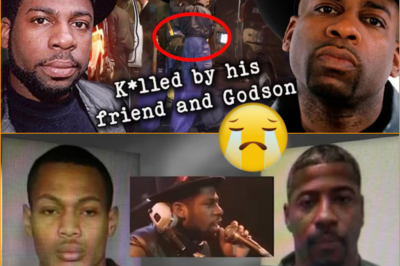
GUILTY PLEA AFTER 20 YEARS — Breakthrough in the Murd3r Case of Jam Master Jay Finally Shatters Decades of Silence…
LOS ANGELES, CA – MAY, 1999: American musician and DJ Jason Mizell (1965-2002) (Jam Master Jay), of the American hip-hop…
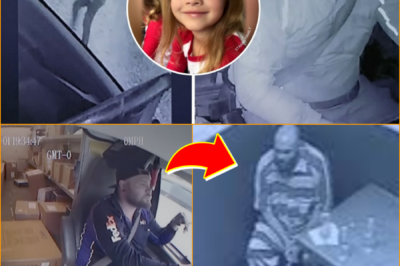
HE WENT BACK… — Tanner Horner allegedly returned to his delivery route after k**ling Athena Strand — and what he said next left people sh@ken…
Video shows Tanner Horner’s reaction when a woman told him a 7-year-old had been kidnapped after he returned to the…
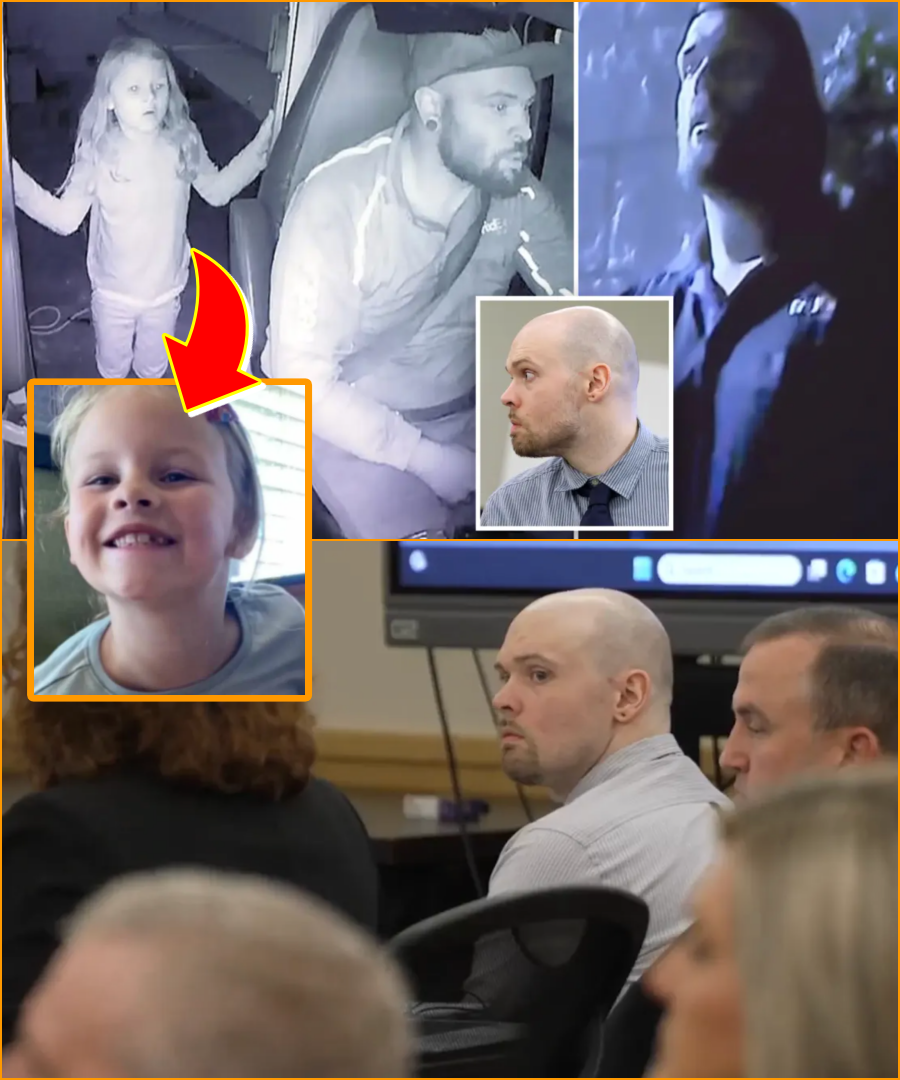
TRIAL SUDDENLY PAUSED… — Proceedings in the case of Tanner Horner halted for days, raising questions over what’s happening behind the scenes…
FedEx killer Tanner Horner’s trial is being paused for several days while the judge in Fort Worth, Texas, determines what…
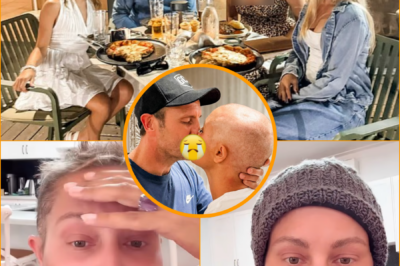
I HAVE TO SHAVE MY HEAD TODAY… — The wife of Jude Bolton emotionally shares the moment she had to shave her head du-ring her battle with Br-east ca-ncer
The wife of Sydney Swans premiership hero Jude Bolton has delivered an emotional and deeply personal update as she continues her battle…
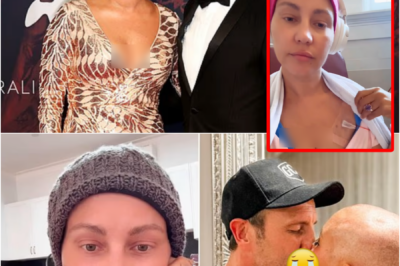
HE DIDN’T HESITATE — HE CHOSE TO LOVE HER EVEN MORE… — Tear-jerking moment as a footy star kisses his wife after she was forced to shave her head amid her battle with C@ncer
The wife of Sydney Swans premiership hero Jude Bolton has delivered an emotional and deeply personal update as she continues her battle…
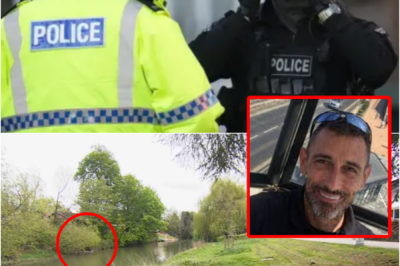
HE WAS DEEPLY LOVED… — Family left heartbroken after the b0dy of Adam Lucas is found, emotional tribute shared via Warwickshire Police
Adam Lucas was amazing and loved, his family said [Warwickshire Police] The family of a man whose body was found…
End of content
No more pages to load