The murd3:r of a 17-year-old girl in Thailand: Chilling new details emerge
The coastal city of Pattaya, Thailand, long celebrated as a tourist paradise, has recently been clouded by the grim repercussions of a series of chilling crimes involving suitcases. The case of Simon Carman, a 45-year-old Australian citizen arrested for the alleged murder of 17-year-old Tunchanok Donhomla—whose body was found stuffed in a suitcase near railway tracks—has sent shockwaves through the public. While the suspect denies the murder charge, citing “self-defense during a financial dispute,” the concealment of the body and the accusations regarding the exploitation of a minor paint a dark portrait of the underbelly of this region.
A Gruesome Coincidence or a Recurring Pattern?
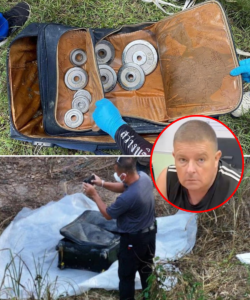
What makes the Carman case so haunting is not just the brutality of the act, but the terrifying repetition of the disposal method. According to available records, this is not the first time a “death suitcase” has appeared in the vicinity of Pattaya. Within the past three years, at least two other female bodies have been discovered under remarkably similar circumstances. While there is no evidence linking Carman to these previous incidents, the existence of such a pattern raises profound questions regarding security and crime control in the area.
The discovery last September of a “half-naked” woman’s body inside a suitcase—secured with heavy chains and floating in a reservoir—and the February 2025 finding of a naked body weighed down with dumbbells in Ban Chang, reveal a shocking behavioral motif. The fact that these victims remain unidentified after so much time speaks to the failures in identification protocols for cold-blooded, premeditated crimes.
Psychological Implications and Societal Fallout
Utilizing a suitcase as a container for human remains is not merely a disposal tactic; it is an act of ultimate dehumanization. When a perpetrator resorts to treating a human body as a household object, it demonstrates an extreme disregard for the value of life. In high-traffic tourist hubs where cultural exchanges and sensitive services intersect, individuals with violent tendencies often exploit loopholes to act with impunity.
The core concern here is the safety of vulnerable groups, particularly young people involved in entertainment sectors. When interpersonal disputes escalate into homicide, it represents a catastrophic failure of violence prevention systems. These incidents in Pattaya are no longer isolated events; they have become a haunting chain, forcing locals and tourists alike to question the safety of spaces previously deemed vibrant and free.
A Warning From the Suitcases of Crime
Incidents like those of Simon Carman and the nameless victims hidden in suitcases serve as a stark wake-up call for authorities to tighten oversight in high-risk areas. A city cannot build its reputation solely on the beauty of its coastlines and entertainment districts; it must ensure that every corner and desolate area does not become a graveyard for heinous crimes.
Justice will ultimately be served through Carman’s trial, but the lingering questions regarding the two unidentified female victims remain a painful, open wound. Society must acknowledge that beneath the neon lights of these entertainment hubs lie shadows that can only be illuminated through rigorous governance and heightened community awareness. Safety is not a default state; it is the product of relentless vigilance.
SOURCE: 7 NEWS
https://7news.com.au/news/chilling-revelation-as-details-of-two-other-thailand-suitcase-murders-come-to-light-amid-simon-carman-charges-c-22506150