The 2009 AF447 plane crash: Sentences handed down to AIRBUS AND AIR FRANCE trigger widespread public outrage
Airbus and Air France have been found guilty of corporate manslaughter in the 2009 crash of flight AF447, in which 228 passengers and crew were killed.
A Paris appeals court on Thursday ordered the two companies to pay the maximum fine of €225,000 (£195,000) each, marking a significant milestone in a 17-year legal battle.
Relatives of the passengers and crew who died when the Airbus A330 vanished in darkness during an Atlantic storm gathered to hear the verdict following the eight-week trial.
In 2023, a lower court had cleared the two companies, both of which have repeatedly denied the charges.
The fine imposed, amounting to just a few minutes’ worth of either company’s revenue, has been widely dismissed as a token penalty. But family groups have said a conviction would represent a recognition of their plight.
Flight AF447 vanished from radar screens on 1 June 2009, with people of 33 nationalities on board. The black boxes were recovered two years later after a deep-sea search.
In 2012, crash investigators found that the pilots had pushed the aircraft into a stall while mishandling a problem caused by iced-up air-speed sensors.
Prosecutors, however, focused their attention on alleged failures inside both the European manufacturer and the airline. These included poor training and failing to follow up on earlier incidents.
To prove manslaughter, prosecutors needed not only to establish that the companies were guilty of negligence, but to pull the threads together to demonstrate how this caused the crash.
Under the French system, last year’s appeal proceedings resulted in a completely new trial, with evidence reviewed from scratch. Any further appeals following Thursday’s verdict will shift the focus from the AF447 cockpit to the intricacies of law.
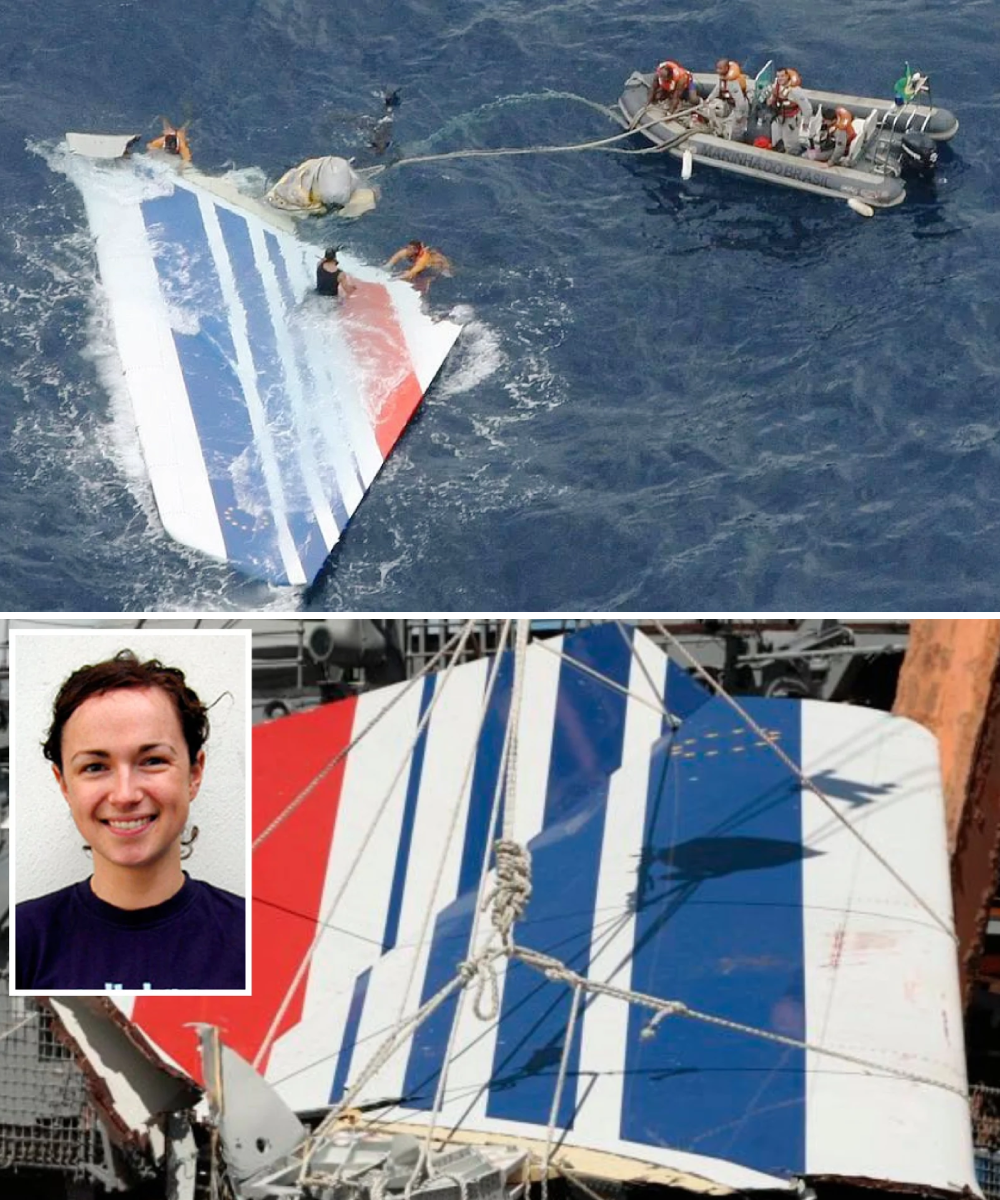
An investigator from the BEA (the French bureau leading the crash investigation) inspects debris from the mid-Atlantic crash of Air France flight 447, in July 2009 (AFP/Getty)
Flight 447 vanished from radar over the Atlantic Ocean between Brazil and Senegal, with 216 passengers and 12 crew members on board, a few hours after taking off from Rio on 31 May 2009.
A subsequent investigation found that the plane’s nose had pitched upwards before its engine stalled at 38,000ft, precipitating an uncontrollable, three-and-a-half-minute descent into the ocean.
A massive search and rescue was launched involving the Brazilian military and French nuclear submarines, and a week later the first bodies of passengers were recovered.
Independent readers are independently-minded global citizens. They are not defined by traditional demographics or profiles, but by their attitudes. In today’s increasingly fragmented world, communities value real facts and frank opinions delivered first-hand from a non-biased news brand that they can trust. Armed with information and inspiration, Independent readers are empowered and equipped to take a stand for the things they believe in.