Mysterious objects found on Queensland beach suspected of containing toxic chemicals
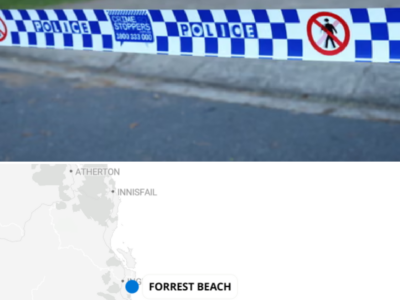
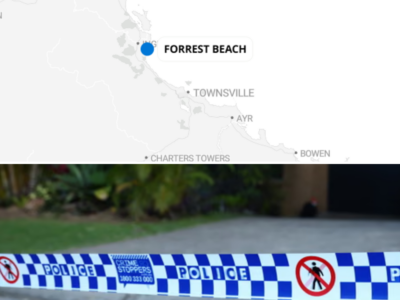
The discovery of four enigmatic metallic objects washing ashore at Forrest Beach in Queensland last week has quickly captured the Australian public’s imagination. While local authorities promptly secured the scene and confirmed that there was no immediate threat to the community, the incident serves as a stark reminder of the hidden costs of the space exploration era. When “gifts from the sky” cease to be mere celestial curiosities and instead manifest as metallic shards leaking toxic chemicals, it becomes imperative to address the pressing issue of orbital waste management.
The Latent Dangers of “Wayward Travelers”
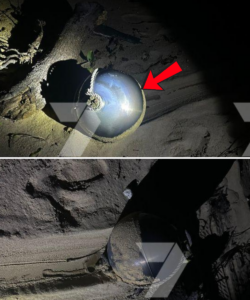
Technical assessments suggest these objects are likely remnants of a satellite or a rocket’s upper stage. The presence of hydrazine—a highly volatile and toxic propellant capable of causing severe chemical burns and long-term neurological damage—effectively transformed what might have looked like intriguing artifacts into significant biological hazards. The deployment of emergency teams in hazmat suits was not merely a precautionary measure; it underscored the persistent danger of space-grade chemicals, which remain hazardous long after surviving the intense heat of atmospheric re-entry.
Beyond the physical danger, this incident highlights a growing legal and logistical void. While international space treaties generally stipulate that debris should be returned to the launching nation, the reality of reclaiming such items from the vastness of the ocean remains fraught with practical difficulties. The question of accountability and the burden of cleanup remain unresolved issues in the current regulatory framework.
Public Reaction: Between Amusement and Awareness
The reaction from the Queensland locals offers an interesting study in human psychology. From lighthearted musings about “aliens” to clever commercial opportunism by local shops promoting “space junk” snacks, the public attitude reflects a blend of curiosity and casual indifference—likely stemming from the view that such events are mere anomalies. Yet, this optimism risks obscuring a more pressing reality: as the density of satellites in orbit increases, the frequency of such debris re-entering the atmosphere will inevitably transition from a rarity to a recurring occurrence.
While the local community’s ability to find humor in an official security declaration is notable, it also inadvertently downplays the true danger posed by contaminants like hydrazine. Bridging this gap between public perception and the reality of chemical hazards is a necessary step for community safety.
Toward a Sustainable Space Future
The incident in North Queensland serves as a vivid reminder that the boundary between space and Earth is porous. We reside in an era where “waste” from orbit can descend upon any location, from remote coastlines to residential areas. The global community requires more rigorous standards regarding satellite design, ensuring that equipment either incinerates completely upon re-entry or is equipped with navigation systems capable of guiding debris into designated “spacecraft graveyards” in the ocean.
Public safety cannot rely on serendipity or the enforcement of 50-meter police cordons after the fact. This event should be viewed as a call to action for more responsible space governance. While the drive to conquer the cosmos is a monumental human achievement, our true measure of progress lies in our commitment to managing the “footprints” we leave behind. Sustainable space exploration must prioritize the cleanup of our path just as much as the expansion of our reach.
SOURCE: 7 NEWS
https://7news.com.au/news/beach-closed-by-authorities-as-mystery-space-junk-washes-ashore-north-of-townsville–c-22529915