Sad news for Australians: Another major music festival opts for a ‘fallow year’ in 2026
The Australian entertainment sector is currently navigating a period of significant volatility, as a succession of large-scale music festivals and theatrical productions have announced cancellations or postponements for 2026. Following the confirmation that Adelaide’s Harvest Rock Festival will enter a “fallow year,” public discourse has shifted from viewing these as isolated incidents to recognizing them as symptoms of a systematic downturn in the live entertainment industry.
Instability: From “Postponements” to Existential Challenges
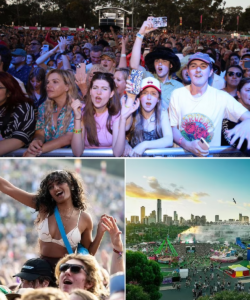
The necessity for Harvest Rock Festival—an event that successfully hosted 38,000 attendees as recently as 2025—to take a “fallow year” in 2026 has exposed fundamental vulnerabilities in the contemporary event management model. While organizers assert that “good things take time,” this hiatus reflects the immense financial pressure exerted by soaring operational costs. Historically a reliable stage for major international acts, the event’s forced retreat demonstrates that even established, high-prestige brands are no longer insulated from macroeconomic instability.
Similarly, the eleventh-hour postponement of DJ Fisher’s Out 2 Lunch dance festival, just three weeks before its scheduled start in early May 2026, has severely shaken consumer confidence. When organizers abruptly claim they would “rather do this properly” in a future year, it serves as a tacit admission of their inability to honor commitments within a high-inflation environment. While factors such as fuel shortages and rising living costs are cited, they merely scratch the surface of a deeper failure to balance production quality with the audience’s actual purchasing power.
The Spiral of Decline: A Wake-up Call for the Industry
The wave of cancellations has transcended outdoor festivals, now severely impacting touring theatrical productions. The abandonment of nationwide tours for Beetlejuice the Musical and Waitress due to lackluster ticket sales serves as clear evidence that audiences are becoming increasingly pragmatic. The intersection of premium ticket pricing and economic anxiety has erected a significant psychological barrier, rendering the public unwilling to gamble on uncertain entertainment experiences.
This trend is pulling the industry into a precarious cycle: mounting operational expenses necessitate higher ticket prices, which in turn diminishes attendance, leads to revenue shortfalls, and ultimately triggers project collapses. Unless strategic planners can devise more streamlined, cost-effective models, entertainment events risk becoming a “luxury good” accessible only to a select few, rather than the accessible cultural staple they once were.
The Road Ahead Following the “Quiet Periods”
These scheduled hiatuses, while framed as “resting to improve,” serve as a clarion call regarding the necessity for long-term sustainability. The Australian entertainment industry is entering a rigorous phase of natural selection. Events lacking robust financial backing or comprehensive risk mitigation strategies are destined for attrition. The silence on major stages throughout 2026 is not necessarily a final curtain, but it does demand a fundamental shift in philosophy. Rather than striving to maintain grandiose scales at any cost, the future viability of the Australian music scene rests on a transition toward agile models, resource optimization, and, above all, the restoration of consumer trust through radical transparency.
SOURCE: NEWS.COM.AU
https://www.news.com.au/entertainment/music/music-festivals/adelaides-harvest-rock-festival-announces-it-wont-go-ahead-in-2026/news-story/dd5a711039fcd1147c132ddac63598a2