ONE OF BRITAIN’S MOST BELOVED DRAMAS CELEBRATES THE EVERYDAY HEROES WHO CHANGED COUNTLESS LIVES!
Few television dramas have earned the affection, longevity, and emotional impact of Call the Midwife. Since its debut in 2012, the BBC series has become one of the most beloved dramas on television, captivating audiences around the world with its heartfelt storytelling, memorable characters, and powerful exploration of social change.
Based on the memoirs of Jennifer Worth, the series is set in London’s East End during the 1950s and 1960s. At first glance, it appears to be a drama about midwives helping deliver babies. But over the years, it has evolved into something much larger: a rich portrait of family life, community, healthcare, and the challenges faced by ordinary people during a transformative period in British history.
The story begins with young midwife Jenny Lee, who arrives at Nonnatus House, a nursing convent serving one of London’s poorest communities. There she joins a dedicated team of nurses and nuns who provide maternity care and medical support to families living in difficult circumstances.
As the series progresses, the focus expands to include a wider ensemble of characters, each bringing their own stories, struggles, and triumphs.
One of the show’s greatest strengths is its remarkable cast.
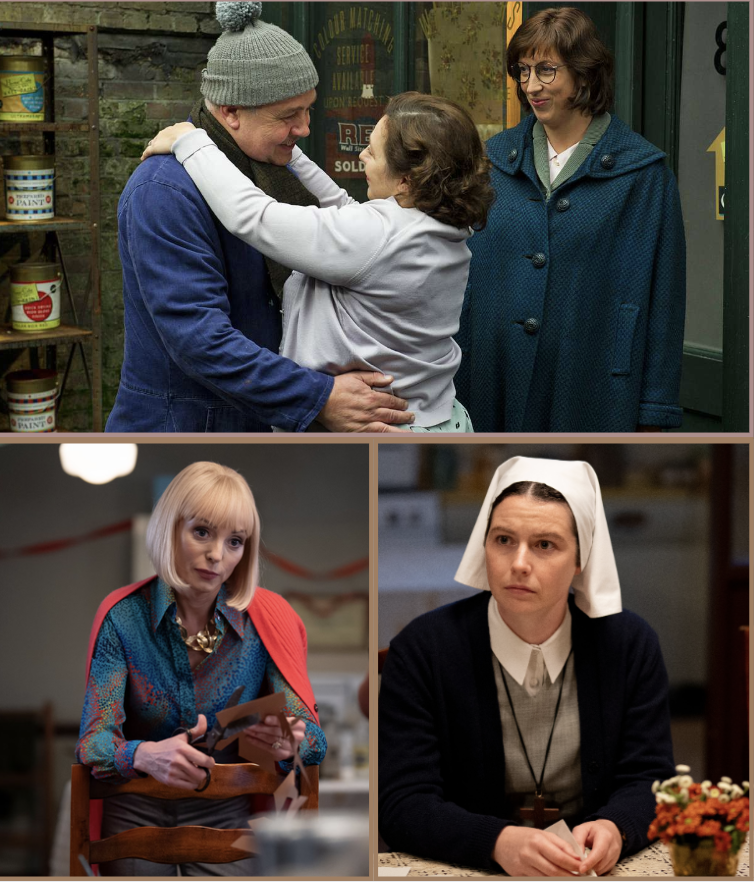
Over the years, viewers have followed beloved characters portrayed by Jenny Agutter, Judy Parfitt, Helen George, Laura Main, Stephen McGann, Cliff Parisi, Linda Bassett, Leonie Elliott, and many others. The chemistry between the cast members helps create the warm sense of family that has become one of the show’s defining qualities.
At the heart of every episode are the women and families the midwives serve.
Each birth brings its own challenges, emotions, and life-changing moments. Some stories are joyful celebrations of new life, while others tackle heartbreak, illness, poverty, or loss. The series never shies away from difficult subjects, yet it consistently approaches them with empathy and humanity.
What truly sets Call the Midwife apart is its ability to weave important social issues into deeply personal stories.
Throughout its run, the series has explored topics including domestic violence, disability, racism, adoption, mental health, homelessness, abortion, infectious diseases, and the changing role of women in society. Rather than presenting these issues as historical footnotes, the drama shows how they affected real people and families.
This approach allows viewers to connect emotionally with the past while recognizing many issues that remain relevant today.
The show’s historical detail is another major reason for its success.
From costumes and vehicles to housing estates and medical practices, the production recreates post-war Britain with remarkable authenticity. Viewers are transported to a time when the National Health Service was still evolving and many families faced significant economic hardships.
Yet despite these challenges, the series is filled with hope.
The residents of Poplar often rely on one another for support, creating a powerful sense of community that resonates strongly with audiences. Acts of kindness, friendship, and resilience appear throughout nearly every episode.
Visually, Call the Midwife balances realism with warmth. The bustling streets, colorful markets, and close-knit neighborhoods create a vivid backdrop for the stories unfolding within them. Combined with its moving musical score and thoughtful writing, the result is a drama that feels both nostalgic and emotionally immediate.
Another reason for the show’s enduring popularity is its optimism.
Even when dealing with difficult themes, Call the Midwife rarely becomes cynical. It acknowledges hardship while celebrating the strength people find in one another. The midwives are not superheroes; they are compassionate professionals doing their best to help others through some of life’s most important moments.
After more than a decade on television, the series continues to attract loyal viewers and critical acclaim. Few dramas have managed to remain so consistently moving while evolving alongside changing times and characters.
Ultimately, Call the Midwife is about far more than childbirth. It is a story about compassion, dignity, and the extraordinary impact ordinary people can have on each other’s lives.
Heartwarming, emotional, and deeply human, it remains one of the finest British dramas ever made and a testament to the enduring power of kindness.