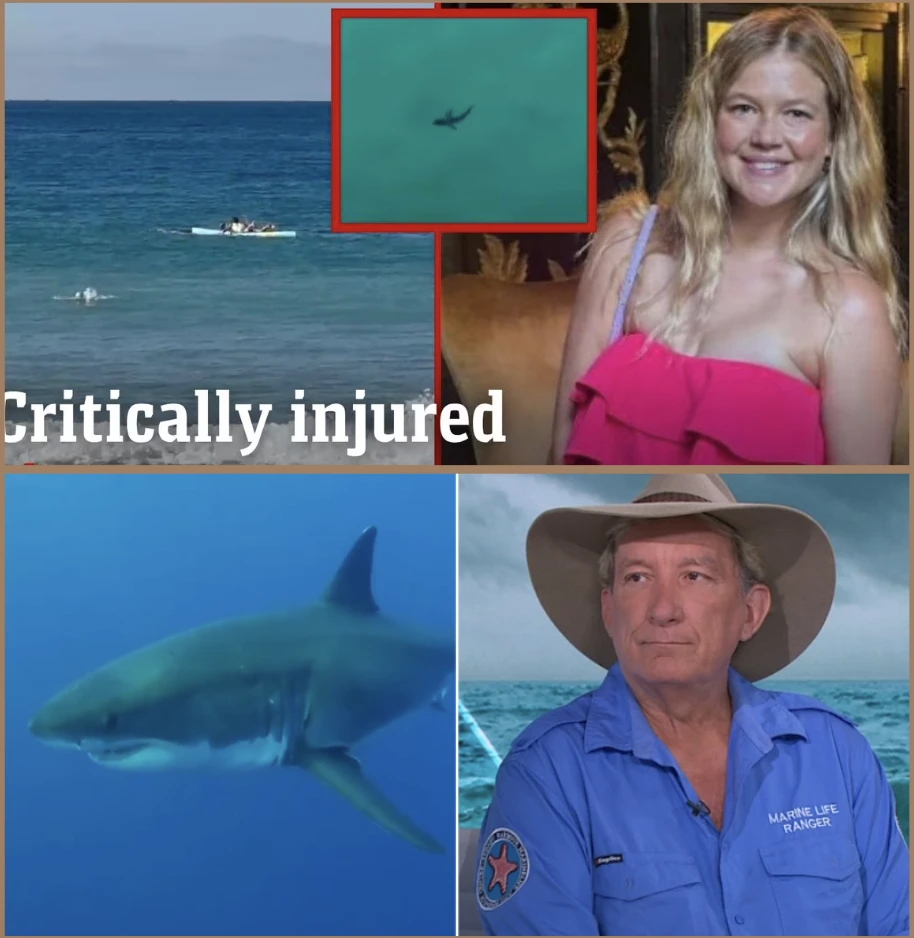
“WE’RE SHARING THE OCEAN WITH WILD ANIMALS WE CAN’T CONTROL.” – The government has refused to rule out a shark cull following the horrific Coogee attack as calls grow for increased beach safety measures.
Unprecedented shark attacks spark government response
NSW Agriculture Minister Tara Moriarty has refused to rule out a shark cull, as scrutiny intensifies over shark management after a spate of recent shark attacks across the state.
Speaking with Sunrise on Monday, Moriarty, who oversees shark management, said the government is “not ruling anything out” but maintained it’s not the current priority.
The prospect of a shark cull has long divided Australia, with supporters arguing it can reduce the risk to swimmers, while critics say there is little evidence it prevents attacks.
New South Wales has relied on shark nets since 1937 and now uses a mix of nets, SMART drumlines, drone surveillance and shark tagging as part of its management program.
Scientists and conservation groups generally oppose culling, arguing sharks are highly migratory and quickly replaced by others moving through the area.
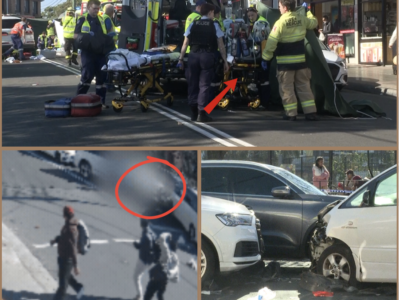
The comments follow an attack on Saturday morning that has left a Sydney woman fighting for her life after being mauled by a great white shark in crystal clear waters just 30 metres from shore at Coogee Beach.
The alarming rise in shark attacks has sparked intense scrutiny of the New South Wales government’s shark management programs, with beach safety advocates questioning whether the $30 million annual investment is delivering results.
Moriarty defended the government’s approach but acknowledged there are limitations to the current prevention strategies.
“We’ve got a $30 million a year investment in shark management, shark mitigation in New South Wales,” Moriarty said.
“But it’s never going to be perfect. We’re sharing the ocean with wild animals that we can’t control.”
Drones ‘the way of the future’
The attack has renewed scrutiny of drone surveillance coverage after it emerged drones were not operating at Coogee Beach over the weekend due to flight path restrictions near Sydney Airport.
The issue has sparked concern because while around 80 beaches are monitored by drones during summer, just 14 remain covered through winter, when great white shark activity typically peaks.
Moriarty said Surf Life Saving NSW has since secured an exemption to operate drones at Coogee Beach and the government is working with regulators to make the arrangement permanent.
Surf Life Saving NSW CEO Steven Pearce told Sunrise the organisation operates “the largest drone surveillance program in the world,” conducting over 100,000 flights annually.
“We’ve been in discussion straight away with the New South Wales government,” Pearce said.
“This warm water is bringing the white sharks in now during their migration. So we are going to see a lot more of these sharks around.”
A 35-year-old woman was attacked by a large shark just 30 metres from Coogee Beach in Sydney, directly in front of the patrolled swimming area in crystal clear water conditions.
(Source: Sunrise)
A 35-year-old woman was attacked by a large shark just 30 metres from Coogee Beach in Sydney, directly in front of the patrolled swimming area in crystal clear water conditions.
Pearce noted the exceptional water clarity on Saturday would likely have made shark detection possible if drones had been operating.
“I would dare say that if we had drones flying there, we would be able to see a lot of sea creatures,” he said.
He said the attack defied all odds.
“Crystal clear water, no surf, hardly anyone in the water, almost directly in front of the red and yellow flags where we say it’s the safest place to swim,” he said.
“But unfortunately, this lady was hit by a very large shark. The heroic actions of the lifesavers are just amazing.
“I think drones are the way of the future for shark surveillance. I think they’re far better than shark nets.
Shark experts warn that Australians should expect more attacks as conditions in coastal waters continue to change, placing mounting pressure on the NSW government to enhance its prevention strategies.
The state has committed an additional $6 million to shark research and drone surveillance following what it described as “a terrible summer in relation to shark activity”.