THIS UNDERRATED CONSPIRACY THRILLER TURNS A MYSTERIOUS COMIC BOOK INTO A D-E:ADLY FIGHT FOR THE TRUTH!
Few television series have generated as much debate, fascination, and controversy as Utopia. Released by Amazon Prime Video in 2020 and adapted by bestselling author Gillian Flynn, the series arrived with all the ingredients of a major streaming hit: an acclaimed creative team, a talented cast, a devoted cult following from the original British version, and a story packed with mystery, conspiracy, and shocking twists.
Yet despite its ambition and quality, Utopia quickly became one of the most misunderstood and controversial series of its era.
Based on the acclaimed British drama of the same name, the American adaptation follows a group of ordinary people whose lives become intertwined after they discover a mysterious graphic novel believed to contain hidden clues about global catastrophes.
The comic, known as Utopia, is rumored to predict disasters before they occur.
What begins as an internet obsession soon transforms into a terrifying reality.

As the group digs deeper into the mystery, they find themselves hunted by powerful forces willing to do anything to keep the truth hidden. Suddenly, strangers connected only by a shared interest in the comic are thrust into a deadly conspiracy that stretches far beyond anything they could have imagined.
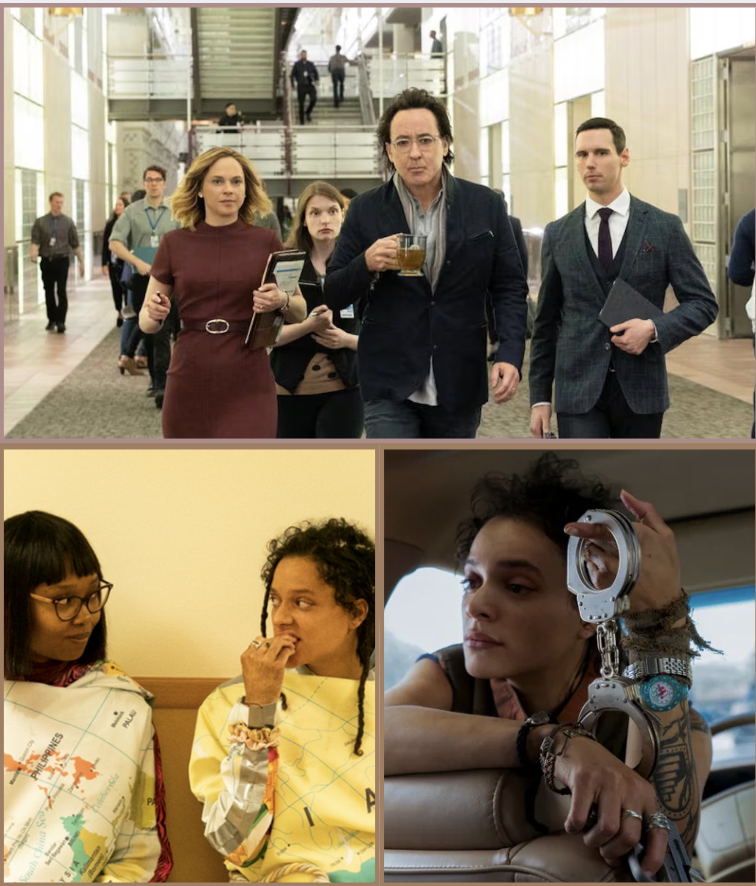
At the center of the story is Jessica Hyde, played by Sasha Lane.
Mysterious, unpredictable, and deeply traumatized, Jessica emerges from the shadows carrying knowledge that could expose secrets capable of changing the world. She quickly becomes both protector and danger to the amateur investigators who find themselves caught in the conspiracy.
Sasha Lane delivers a captivating performance, balancing vulnerability and intensity in a character who constantly keeps both viewers and fellow characters guessing.
The ensemble cast is one of the show’s greatest strengths.
Ashleigh LaThrop, Dan Byrd, Desmin Borges, Javon Walton, Christopher Denham, and Farrah Mackenzie portray the group of comic enthusiasts pulled into the unfolding nightmare. Their chemistry helps ground the increasingly bizarre events in believable human emotions.
Meanwhile, John Cusack delivers one of the most fascinating performances of the series as Dr. Kevin Christie.
At first glance, Christie appears to be a visionary entrepreneur and philanthropist dedicated to improving the world. But as the story unfolds, viewers begin questioning his motives, his methods, and whether his vision for humanity may be more dangerous than anyone realizes.
One reason Utopia remains so memorable is its willingness to tackle enormous ideas.
The series explores themes including public health, misinformation, government secrecy, corporate power, population control, and the ethical limits of scientific intervention. Rather than offering simple answers, the story forces viewers to confront uncomfortable moral questions.
Who gets to decide what is best for humanity?
How much power should institutions possess?
Can noble goals justify horrific actions?
These questions become increasingly central as the conspiracy expands.
Visually, Utopia stands apart from typical thrillers.
The show embraces bold colors, stylized imagery, graphic-novel aesthetics, and unsettling compositions that create a constant sense of unease. Even ordinary scenes feel slightly off-balance, reinforcing the paranoia that defines the story.
The pacing is relentless.
Every episode introduces new revelations, betrayals, and mysteries, making it difficult to predict where the narrative is heading. Just when viewers believe they understand the conspiracy, another twist reshapes the entire picture.
Unfortunately, timing played a significant role in the series’ reception.
Premiering during the COVID-19 pandemic, Utopia explored fictional conspiracies involving disease outbreaks, vaccines, and public health responses. Although the series was developed long before many real-world events unfolded, the similarities proved controversial.
For some viewers, the subject matter felt uncomfortably close to reality.
For others, it made the show even more compelling.
Years later, however, many critics and audiences have revisited Utopia with fresh perspective, recognizing its ambitious storytelling and willingness to take creative risks.
While the series lasted only one season, its influence continues to be discussed among fans of conspiracy thrillers and science-fiction drama.
Ultimately, Utopia is not simply a show about secret organizations or hidden plots.
It is a story about fear, truth, power, and the dangerous consequences of believing that one person—or one institution—knows what is best for everyone else.
Bold, unsettling, and intellectually provocative, Utopia remains one of the most fascinating and underrated thrillers of the streaming era.