F1-Beben: Fittipaldi erhebt den Niederländer auf eine Stufe mit den größten Legenden
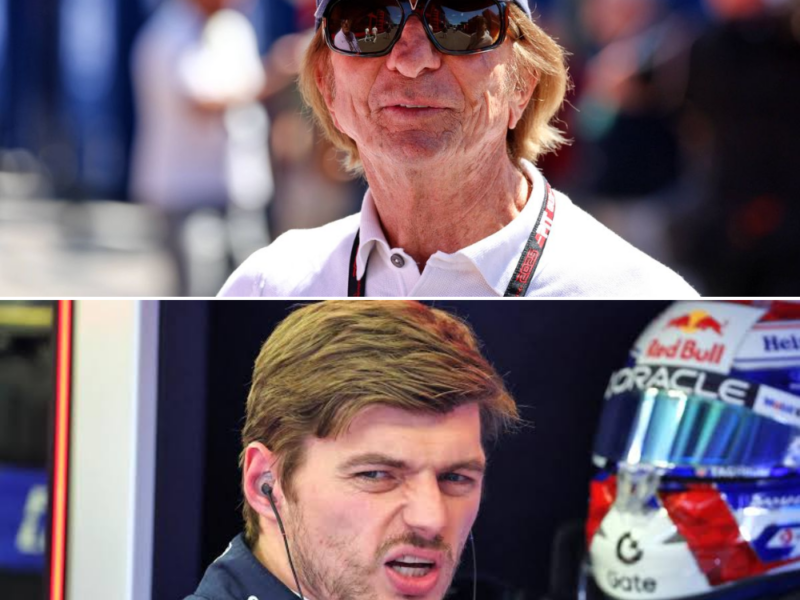
Formula 1 is a sport steeped in rich history, where legendary drivers from different eras are constantly measured against one another in endless debates over who truly holds the crown of absolute supremacy. Comparing champions across decades is an intricate exercise because engineering standards, safety regulations, and car dynamics change drastically with every passing era. Yet, when a two-time world champion like Emerson Fittipaldi steps forward to offer a definitive verdict, the entire motorsport community listens intently. Fittipaldi, a titan of 1970s Grand Prix racing who claimed world titles with Lotus and McLaren, recently ignited a massive global debate with a bold declaration regarding modern superstar Max Verstappen.
The core of Fittipaldi’s provocative statement centered around building a constructor championship contender completely from the ground up. In a revealing interview that instantly sent shockwaves through global sports media outlets, Emerson Fittipaldi praised Max Verstappen, asserting that if he were tasked with assembling a dream team from scratch, he would select the Dutch driver over all other historical and contemporary world champions. This endorsement carries immense weight coming from an established racing legend who has witnessed the evolution of Grand Prix racing for over half a century.
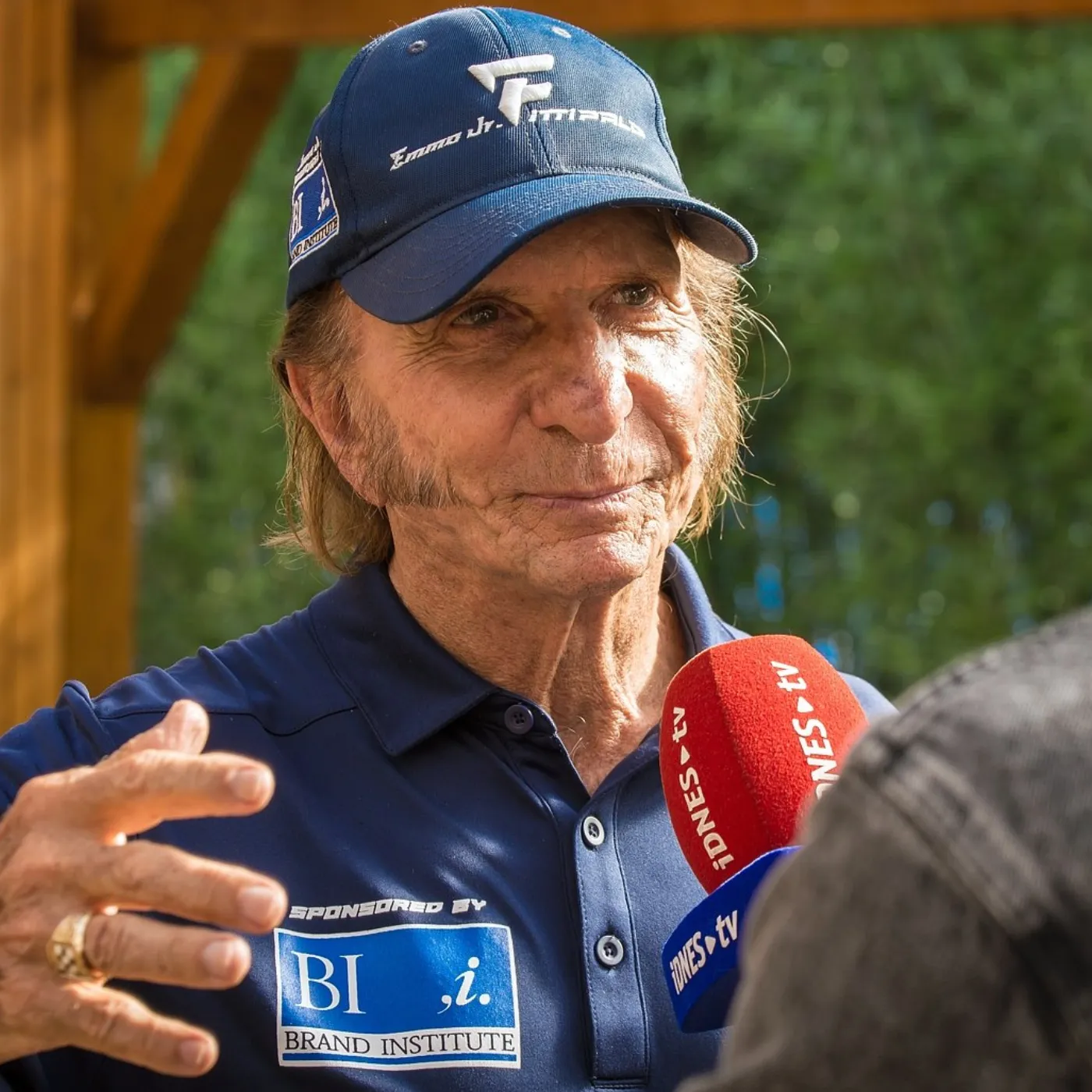
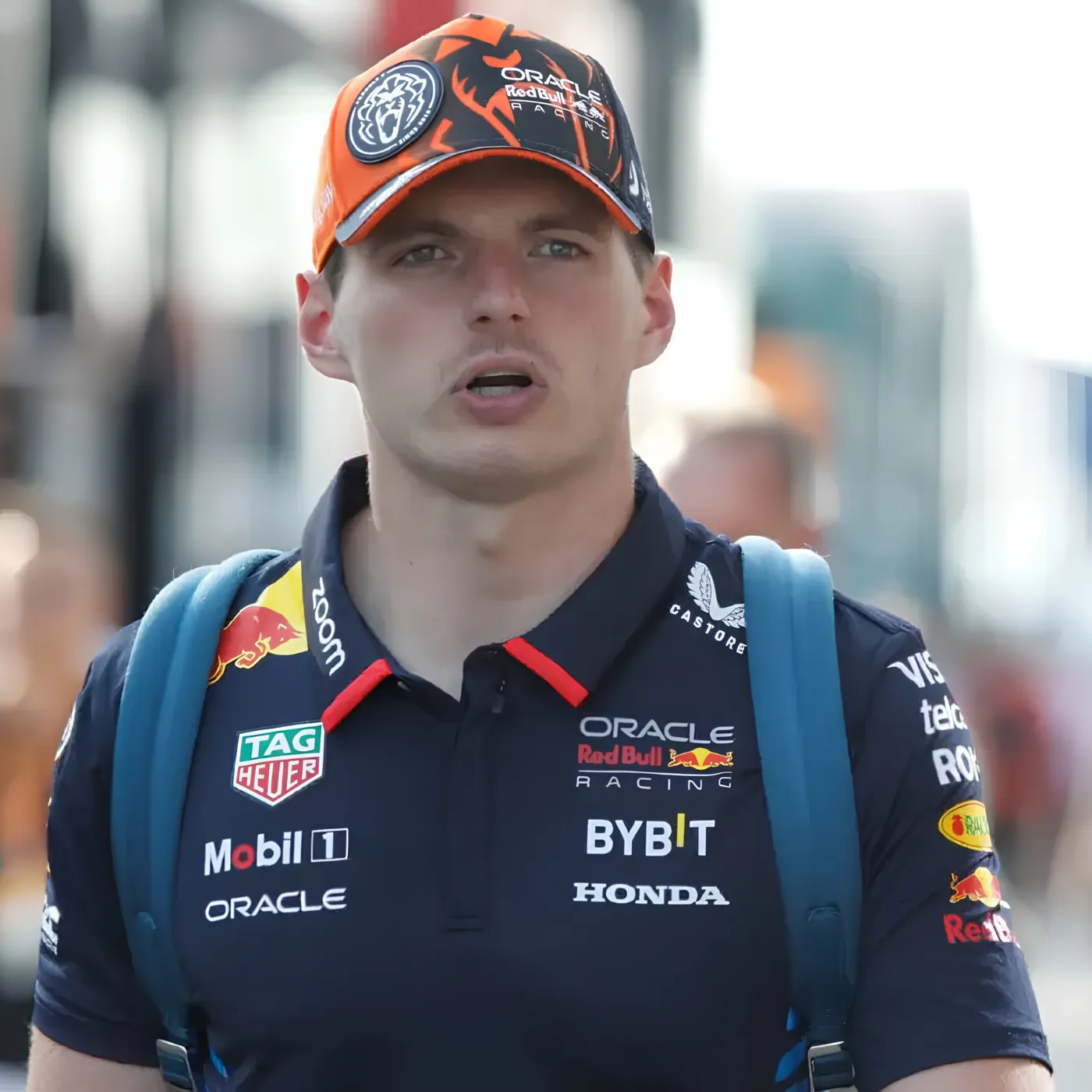
Furthermore, Fittipaldi’s commentary delved deeper into the operational influence that Verstappen holds within the Red Bull Racing ecosystem. Beyond his blistering raw speed on a single flying lap, Max Verstappen’s influence at Red Bull extends far into technical feedback, team leadership, and psychological stability. Fittipaldi implied that Verstappen’s impact on his squad is profoundly more significant than casual observers realize. This comprehensive analysis explores Fittipaldi’s controversial statement, examines Verstappen’s unique skill set, evaluates historical comparisons with past icons, and breaks down the immense organizational value of a generational driver in modern Formula 1.
The Weight of an Icon’s Endorsement: Emerson Fittipaldi’s Perspective
To understand why Emerson Fittipaldi’s comments generated such widespread media attention, one must examine the legacy of the Brazilian racing pioneer. During his illustrious career, Fittipaldi competed against some of the fiercest competitors in motorsport history, including Jackie Stewart, Niki Lauda, and James Hunt. He understands the precise psychological makeup, physical resilience, and technical intelligence required to reach the absolute summit of Formula 1 and sustain success over multiple seasons.
When a veteran of Fittipaldi’s caliber evaluates a contemporary driver, he looks past simple statistics and race victories. Formula 1 legendary driver analysis requires assessing how a competitor adapts to changing aerodynamic regulations, how they handle intense internal and external pressure, and how effectively they collaborate with engineers to extract maximum performance from a complex machine. Fittipaldi recognized in Verstappen a rare combination of predatory racecraft, unyielding mental fortitude, and a relentless technical work ethic that mirrors the greatest champions of any generation.
Choosing Verstappen over every other driver in the history of the sport is not a decision made lightly. It is an acknowledgment that the modern era of Grand Prix racing demands a hyper-specialized athlete who can master high-speed simulators, interpret gigabytes of telemetry data, manage complex power units, and still deliver qualifying laps on the absolute knife-edge of adhesion. By placing Verstappen at the very top of his hypothetical all-time roster, Fittipaldi underscored just how deeply the Dutch driver has redefined the benchmarks of elite motorsport excellence.
Anatomy of Greatness: What Sets Max Verstappen Apart
Analyzing Max Verstappen’s racing dominance requires looking closely at the specific attributes that make him nearly unbeatable on race day. Since his historic debut as the youngest driver ever to start a Grand Prix, Verstappen has undergone a remarkable evolution from an aggressively raw prodigy into a clinical, calculating racing machine capable of orchestrating flawless championship campaigns.
One of the defining characteristics of Verstappen’s driving style is his exceptional adaptability. Modern Formula 1 cars can be notoriously fickle, often possessing narrow operating windows where minor changes in wind direction, track temperature, or tire degradation can drastically alter balance. While many elite drivers struggle when a car exhibits unpredictable handling characteristics, Verstappen possesses an uncanny ability to rotate the car regardless of front-end instability. Max Verstappen car control and adaptability allow him to extract competitive lap times from machinery that his teammates often find difficult to drive.
In addition to his raw car control, Verstappen exhibits an extraordinary cognitive capacity while driving at three hundred kilometers per hour. During high-pressure Grands Prix, while executing split-second overtaking maneuvers or managing intense tire-conservation strategies, he maintains the mental bandwidth to communicate complex tactVerstappen’svations back to his race engineer. This elevated level of situational awareness is a hallmark of truly generational talents, separating the exceptional race winners from the immortal legends of the sport.
The Hidden Influence: Verstappen’s Impact Inside Red Bull Racing
Beyond his obvious exploits on the asphalt, Fittipaldi’s statement touched upon a critical element of modern success that often remains hidden from public view: internal team leadership and technical direction. Max Verstappen Red Bull team leadership has become the bedrock upon which the Milton Keynes squad’s recent era of dominance has been built. Constructing a winning Formula 1 team requires complete alignment between tVerstappen’sin the cockpit and the hundreds of engineers, aerodynamicists, and strategists back at the factory.
Verstappen’s technical feedback is renowned throughout the paddock for its surgical precision. When he returns to the garage after a practice session, his debriefs provide engineers with actionable data that guides car development throughout the season. This collaborative synergy ensures that Red Bull’s upgrade packages consistently deliver real-world performance gains. Red Bull Racing car development relies heavily on having a driver who can accurately diagnose handling limitations without masking them through sheer driving talent alone.
Furthermore, Verstappen’s presence creates a culture of accountability and high standards across the entire organization. When team members see their lead driver committing absolute perfection to every practice, qualifying, and race session, it fosters an unyielding collective drive for excellence. Fittipaldi’s assertion that Verstappen’s influence is greater than fans realize points directly to this invisible architecture of success—an environment where the driver acts as the ultimate catalyst for organizational greatness.
Comparing Eras: Verstappen Versus Historical Giants
Placing Max Verstappen at the center of an all-time dream team naturally invites fascinating comparisons with other legendary figures who dominated their respective decades. To properly evaluate Formula 1 all-time great drivers, historians must analyze Juan Manuel Fangio, Jim Clark, Ayrton Senna, Alain Prost, Michael Schumacher, and Lewis Hamilton. Each of these icons possessed unique superpowers that defined their pursuit of world championships.
Juan Manuel Fangio mastered the art of tactical team selection and mechanical sympathy in the dangerous early decades of the world championship. Ayrton Senna introduced unprecedented levels of single-lap qualifying brilliance and psychological intensity. Michael Schumacher revolutionized physical fitness, rigorous testing regimes, and total team integration at Scuderia Ferrari. Lewis Hamilton combined blistering natural speed with record-breaking consistency and cultural global impact.
When comparing Verstappen to these historic titans, analysts often highlight his unique synthesis of Senna’s ferocious qualifying speed and Prost’s clinical race-management intelligence. Max Verstappen racing legacy comparison reveals a competitor who has modernized the art of Grand Prix racing. While older eras relied more heavily on mechanical instinct and physical courage Verstappen’sse danger, the modern era requires mastering data analytics, energy recovery systems, and microscopic tire management. Verstappen navigates this technologically complex landscape with effortless supremacy, justifying Fittipaldi’s bold claim that he would choose the Dutchman above all others.
The Evolution of Team Building in Modern Formula 1
Emerson Fittipaldi’s premise of building a team “from scratch” serves as an intriguing thought experiment regarding modern sports management. In contemporary Formula 1, constructing a championship-winning organization requires hundreds of millions of dollars in infrastructure, cutting-edge wind tunnels, advanced manufacturing facilities, and the recruitment of elite aerodynamic talent. However, history repeatedly proves that all the physical infrastructure in the world remains useless without a generational driver to deliver the final product on race day.
Modern F1 constructor team building places immense emphasis on driver synergy. A team principal cannot simply purchase success; they must foster an ecosystem where trust, open communication, and shared ambition thrive. Verstappen’s long-term commitment to Red Bull Racing illustrates the power of stability in a sport frequently destabilized by political infighting and driver market volatility. Having a foundational anchor driver allows the technical director and chief aerodynamicist to design cars with a clear, long-term development philosophy rather than chasing short-term fixes.
Moreover, a driver of Verstappen’s caliber attracts elite engineering talent to the organization. Top-tier aerodynamicists and strategists naturally want to work with the absolute fastest driver on the grid because they know their hard work will be validated on the highest step of the podium. This virtuous cycle of success reinforces Fittipaldi’s argument: building a team around Verstappen provides an immediate institutional advantage that permeates every single department within the factory.
Paddock Reactions and the Global Media Impact
Whenever a legendary former world champion makes a definitive statement comparing eras, the global sports media apparatus immediately amplifies the narrative across digital platforms, television broadcasts, and specialist motorsport publications. Motorsport media analysis of Fittipaldi’s remarks triggered widespread discussions among fans, pundits, and former drivers, illustrating just how captivating the debate surrounding historical greatness remains.
Reactions from the broader racing community were predictably passionate. While many modern fans and analysts strongly supported Fittipaldi’s assessment, pointing to Verstappen’s staggering victory statistics and record-shattering season campaigns, traditionalists argued that cross-era comparisons are inherently flawed due to the vastly different safety standards and technological environments of past decades. Despite these debates, the sheer volume of engagement highlighted the profound cultural footprint Verstappen has left on the sport.
These media cycles also serve to contextualize the magnitude of Verstappen’s achievements for younger generations of fans who may not have witnessed the eras of Fittipaldi, Senna, or Schumacher. By framing Verstappen’s dominance within the grand historical tapestry of Grand Prix racing, legends like Fittipaldi help bridge the gap between past heritage and modern innovation, enriching the overarching narrative of the sport we all love.
Cementing a Legendary Status
Emerson Fittipaldi’s bold declaration that he would choose Max Verstappen over every other world champion in history is a testament to the staggering heights of the Dutch driver’s career. From his relentless on-track adaptability and clinical racecraft to his profound, often overlooked technical influence within the Red Bull Racing organization, Verstappen has redefined what it means to be an elite Formula 1 competitor.
As the sport continues to evolve through shifting technical regulations and intense global competition, the legacy of Max Verstappen is already firmly cemented in the pantheon of motorsport greatness. Whether viewed through the lens of historical team building or modern data-driven performance analysis, champions like Fittipaldi recognize a transcendent talent when they see one. The debate over all-time supremacy will undoubtedly rage on for generations, but for now, Max Verstappen stands tall as the ultimate benchmark of modern speed, resilience, and operational excellence.

transinh