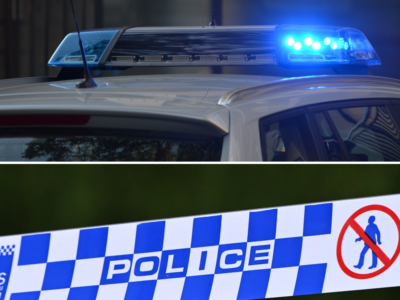
Fort Lauderdale: Two fatal train accidents in just 12 hours
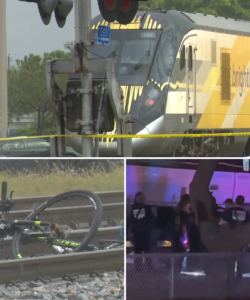
In less than half a day, the area of Fort Lauderdale, Florida, was shaken by two heart-wrenching train collisions. The sight of a bicycle lying lonesomely on its side by the tracks on Friday morning, moments after its owner was struck by a Brightline train, is a haunting testament to how fragile life becomes in the path of modern high-speed rail.
From Statistics to Unspeakable Losses
When a single stretch of railway witnesses two fatal tragedies within 12 hours, it can no longer be dismissed as mere coincidence. The death of a 25-year-old woman on Thursday night, followed immediately by another fatality on Friday morning, raises profound questions regarding the safety of urban traffic planning in this region.
While authorities indicated the first incident appeared to be a voluntary act of self-harm—highlighting a painful aspect of mental health within the community—the circumstances surrounding the Friday accident remain under investigation. Regardless of the cause, the presence of high-speed trains cutting through densely populated residential areas exerts a constant, invisible pressure on public safety.
Infrastructure Vulnerabilities and Community Vigilance
In Fort Lauderdale, the intersections between road and rail have long been zones of immense pressure. Closing lanes to conduct forensic investigations is merely a reactive measure following a tragedy; it fails to address the root issue: how to prevent high-speed trains from becoming a perpetual threat to commuters.
There is a tendency to attribute such accidents solely to individual carelessness; however, from an urban management perspective, this is a systemic infrastructure failure. As the density of personal vehicles and the frequency of train service both increase, the margin between convenience and catastrophic risk continues to shrink. Guardrails, warning signals, and pedestrian overpasses are not mere decorations—they are essential survival shields that must be upgraded to match the city’s growth.
A Wake-Up Call from the Wheels of Fate
This rapid succession of accidents creates more than just police reports; it breeds widespread psychological insecurity. Every time a train whistle blows, residents should not merely feel the inconvenience of the wait, but rather acknowledge the looming danger. That abandoned bicycle by the tracks is tangible evidence of how thin the line between life and death is at these crossings.
To ensure railway routes do not remain “black spots” of fate, a radical shift in public awareness regarding rail safety protocols is necessary. Simultaneously, authorities must re-evaluate security measures at complex intersections. Safety is not a matter of chance; it is the result of rigorous infrastructure discipline and constant vigilance from those traversing these tracks. The double tragedy in Fort Lauderdale serves as a costly, vital reminder of the price paid for negligence in the rhythm of modern urban life.
SOURCE: LOCAL10.COM
https://www.local10.com/traffic/2026/07/03/west-state-road-84-closed-in-fort-lauderdale-after-pedestrian-killed-by-brightline-train/