Max B Drops Thunderous Diss on Jim Jones Live On Stage: Rap Fans Prepare for the Return of a Legendary Feud
This past weekend’s concert will go down in New York hip-hop history, not merely as a musical event, but as a public declaration of war, marking a dramatic escalation in a decade-long feud. In a bold and uncompromising move, legendary rapper Max B officially reasserted his dominance by performing his explosive diss track aimed directly at rival Jim Jones, titled with the provocative challenge: ‘Harlem King Is Back’.
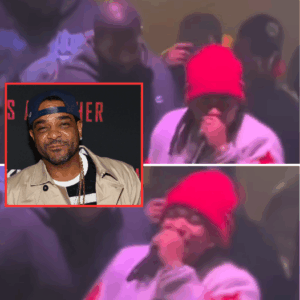
The venue erupted as “Biggaveli” took the stage, not just to deliver his signature hits, but to send a crystal-clear message to his long-time adversary. His distinct rap style, a unique blend of charismatic smoothness and street grit, roared through the speakers, but this time, it carried a razor-sharp edge. Despite Max B’s extended absence, his heat has clearly not diminished. The entire hall was engulfed in cheers, especially when the targeted bars aimed at Jim Jones were delivered, rekindling the smoldering flame of their bitter rivalry.
The History of an Epic Feud
The animosity between Max B and Jim Jones stands as one of the most agonizing and complicated stories of the last decade in East Coast hip-hop. Once close collaborators within the Dipset empire and later Coke Boys/ByrdGang, their rift was more than a personal disagreement; it revolved critically around financial issues and music ownership. The acrimonious split quickly turned friendship into deep-seated hatred, with Max B accusing Jim Jones of cheating him out of publishing rights and royalties on joint records.
Following Max B’s lengthy incarceration, the relationship reached a stalemate. However, any return by Max B—whether remotely or directly on stage—has always served as a clear alarm bell for Jim Jones, who has actively sought to maintain his own “Harlem King” status during his rival’s absence.
“Harlem King Is Back”: A Direct Claim to the Throne
The title, “Harlem King Is Back,” is not just a statement; it is a direct confrontation. It implies that the throne of Harlem—a deeply symbolic territory in New York rap history—was either vacant or currently held by an undeserving figure. Now, the true king has returned to reclaim his crown.
The performance transcended merely rapping a diss song. It was a symbolic event, using the stage as a platform to publicly discredit and undermine Jim Jones’s reputation in front of thousands of dedicated fans. The intense enthusiasm and fierce support from the audience proved that, despite the passage of time, Max B’s standing and influence remain undiminished, if not stronger than ever.
Reactions and the Future of the War
Industry insiders are now eagerly awaiting a response from Jim Jones. Will he accept this direct challenge and unleash a rebuttal track, or will he choose silence to avoid lending further credence to Max B’s resurgence? Regardless of his answer, this event has jolted the music scene and pushed the dormant “Dipset/Coke Boys” war onto a critical new stage.
For the fans, this heralds a new and promising chapter. Max B’s return to the performance stage, coupled with such powerful lyrical messages, signals that one of New York’s most singular talents is prepared to take back everything he lost. The entire hip-hop world is holding its breath to see who will ultimately triumph in this renewed battle for the “King of Harlem” title.