I SEE NO END… — DUCHESS SOPHIE ISSUES A DIRE WARNING IN LANDMARK SPEECH, SPARKING WIDESPREAD CONCERN
Duchess Sophie Issues Dire Warning in Landmark Portugal Speech: “I See No End” to Sexual Violence in Conflict
The Duchess of Edinburgh delivered one of her most powerful speeches to date during a visit to Portugal, warning that sexual violence in conflict remains a global crisis and admitting that, after years of witnessing its devastating effects, she currently sees “no end” to the suffering faced by women and girls around the world.
Speaking on the second day of her official visit to Portugal alongside Prince Edward, the Duchess addressed students participating in a Model NATO event in Lisbon. The event brought together young people exploring some of the most pressing security challenges facing the international community.
Drawing on seven years of advocacy work focused on women’s rights, conflict-related sexual violence, and gender equality, Sophie offered a stark assessment of the state of the world.
“I don’t need to tell you that today’s world is not a happy one,” she told the audience. “The number of conflicts across so many regions around the world has been played out on a daily basis, affecting many countries either directly or indirectly.”
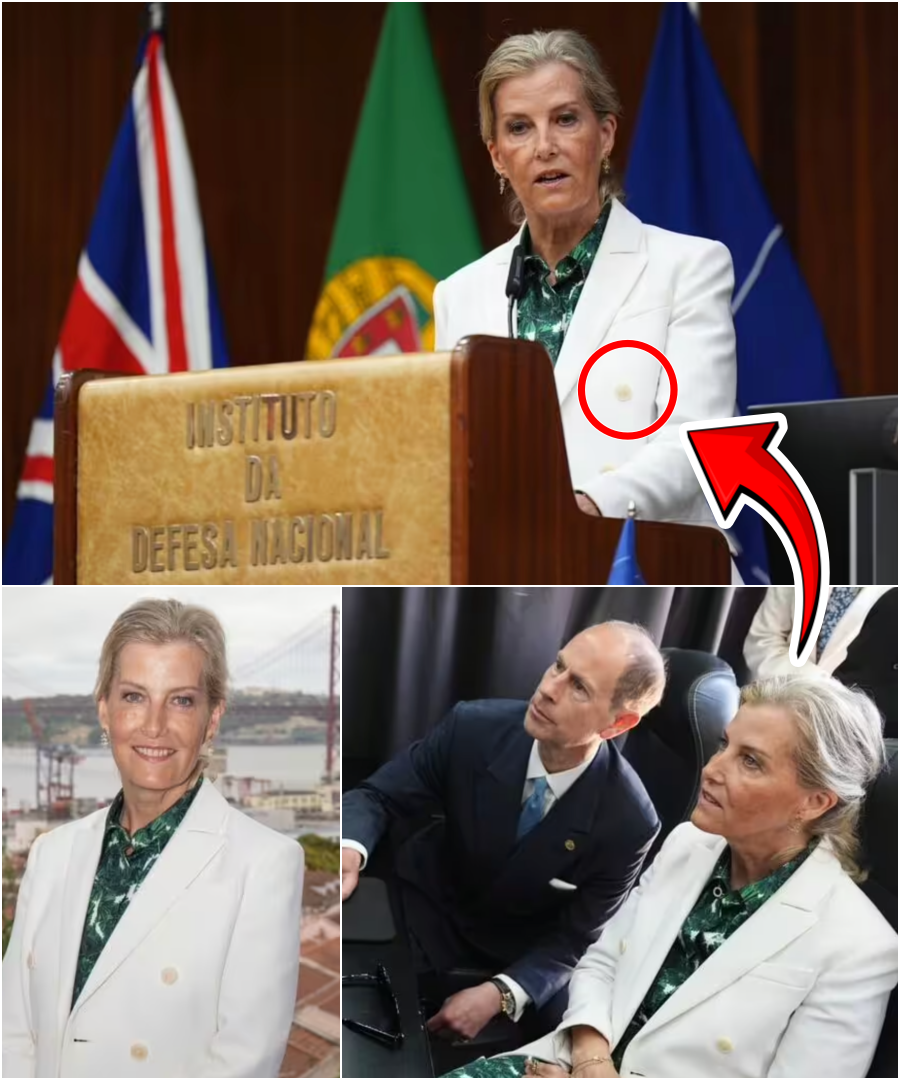
The Duchess has become one of the Royal Family’s most prominent voices on issues affecting women in conflict zones. Through her work supporting the United Kingdom’s Preventing Sexual Violence in Conflict Initiative (PSVI) and the United Nations Women, Peace and Security agenda, she has travelled extensively and met survivors of violence in some of the world’s most troubled regions.
Her speech reflected both her experience and her frustration at the continued scale of the problem.
Sophie spoke about the dangers women face during times of war, including rape, intimidation, displacement, and exploitation. She also emphasized the critical role women play in peacebuilding efforts and highlighted the importance of increasing female representation in decision-making roles.
Addressing the students directly, she encouraged them to challenge outdated assumptions about leadership and gender.
“It’s good to see men in the room,” she remarked, before adding: “If you ever hear someone say there are no qualified women, disavow them of that.”
The comment drew attention to a theme that has become central to her public work—the belief that lasting peace and security cannot be achieved without women having a seat at the table.
Following her address, the Duchess participated in a question-and-answer session where students asked how individuals can help raise awareness about sexual violence and support those affected by conflict.
Sophie stressed that everyone has the ability to make a difference.
“There’s a variety of different ways you can amplify voices,” she explained. “I use my voice; I can be their voice in various forums and various settings. That is one way. You can use your voices and immediately play a part as well.”
Earlier in the day, the Duchess met students from the University of Birmingham who had been developing strategic responses to complex NATO-related scenarios. During those conversations, she reflected on the changing global landscape and the increasing number of conflicts affecting communities worldwide.
“My generation has lived through so many more years of peace than generations before,” she said, noting how recent developments have altered that reality.
The visit highlighted the Duchess’s growing role as one of the Royal Family’s leading international advocates on humanitarian issues. Since formally committing herself to the Women, Peace and Security agenda on International Women’s Day in 2019, she has worked consistently to draw attention to the experiences of women and girls caught in armed conflicts.
Later in the day, Sophie reunited with Prince Edward after the Duke spent the morning meeting paralympians and representatives of the Duke of Edinburgh Award programme in Portugal. The couple also visited aerospace company Tekever, where they participated in building and testing drone technology currently used for surveillance, search-and-rescue operations, and humanitarian missions.
Despite the varied engagements, it was Sophie’s emotional warning that resonated most strongly. Her declaration that she currently sees “no end” to sexual violence in conflict served as a sobering reminder of the challenges still facing millions of women worldwide—and underscored her determination to continue speaking out on their behalf.