The police broke down the doors to rescue them, but the community is writing the next chapter for the 16 forgotten children in Ohio
The rescue of 16 children, ranging from 18 months to 18 years old, from a squalid home in Hamden, Ohio, is more than just a shocking case of child endangerment; it is a profound scar on the community. The fact that four adults within the same household face 16 felony counts reveals a grim reality of neglect, where the basic right to safety and well-being was stripped away within the very space that should have served as their sanctuary.
When Compassion Meets Procedural Reality
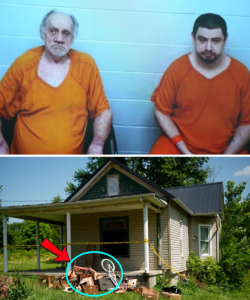
Immediately following the news, the South Central Ohio Job and Family Services (SCOJFS) received dozens of inquiries regarding donations from across the country, and even as far as Canada. This response reflects the powerful human instinct to do good in the face of suffering. However, behind this wave of enthusiasm lie significant challenges in managing trust and resources.
The cautious directive from SCOJFS, urging the public to “hold on to funds” while a formal trust is established, is a necessary measure. In such sensitive cases, unguided goodwill can easily lead to unintended consequences, ranging from mismanaged funds to unverified aid requests, such as the questionable Amazon wish lists circulating online. The swift yet measured reaction from the authorities signals a necessary shift from spontaneous individual aid to a structured, transparent protection model—which is vital for ensuring the long-term well-being of these young victims.
Beyond the Statistics
Looking deeper, the fact that a small home in Hamden could become a “prison” for 16 children raises urgent questions about the gaps in social safety nets within rural areas. When a family—spanning three generations—can confine so many individuals in a cramped space, it points to a systemic failure to detect abuse early.
More than material donations or food, the story of these 16 children demands a long-term commitment to psychological and social recovery. Financial contributions, while important, cannot replace the intensive therapy required to help these children—particularly the one currently in critical condition—reintegrate into society. The outpouring of interest from those wishing to become foster parents is a positive sign, indicating that the capacity for human empathy remains robust, even in the face of such trauma.
Lessons from a Shocking Event
The incident in Vinton County serves as a stark reminder that empathy should not be limited to fleeting emotional reactions on social media. True support lies in the persistence of the community and the professionalism of the agencies involved. Once the police tape is taken down, the real battle to protect and nurture these children has only just begun. The public’s willingness to work alongside authorities in establishing a formal trust proves that the best way to heal these wounds is not through pity, but through responsible and thorough collective action.
SOURCE: WOSU
https://www.wosu.org/news/2026-07-07/south-central-ohio-job-and-family-services-organizes-donations-for-rescued-vinton-county-children