Missing Australian tourist in Las Vegas: Haunting footage shows her on a notorious high-crime corridor
The disappearance of Sally Grace Contarino, a 26-year-old traveler from Melbourne, has become a focal point of public attention following an urgent missing person alert from the Las Vegas Metropolitan Police. This incident transcends a simple missing persons report, igniting intense debate regarding the boundary between personal travel experiences and the latent hazards inherent in major urban centers. As digital footprints and security camera footage fail to provide a clear narrative, Contarino’s vanishing poses a significant challenge for investigators and fuels growing concerns over the safety of solo travelers.
The Complex Intersection of Personal Itineraries and Urban Environments
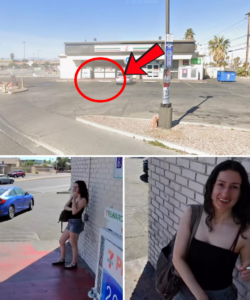
A pivotal detail in the case is the footage captured outside a 7-Eleven on Boulder Highway on June 17. This specific corridor, widely labeled by locals as a “crime corridor” plagued by drug activity and prostitution, raises a pressing question: what led an international tourist to a neighborhood that local residents typically avoid? While no evidence directly links her presence there to her subsequent disappearance, it remains a critical piece of the timeline. Analyzing why a traveler might select such a route should be approached through an objective lens rather than victim-blaming. It highlights the reality that tourists often lack essential insights into the “security topography” of the areas they traverse, especially when standard navigation apps fail to distinguish between safe thoroughfares and high-risk criminal hotspots.
The Darker Side of Independent Tourism
Contarino’s trajectory—from local bars in Las Vegas to her decision to hike at Mount Charleston—reflects a growing trend of independent travel that, while popular, is fraught with risks. Mount Charleston, a location with a history of search-and-rescue operations, has once again become a point of concern. The recovery of her luggage, coupled with the absence of evidence confirming she boarded a bus to the national park, adds layers of mystery to the case. The contrast between the image of a traveler who appeared calm and cheerful in prior footage and the subsequent official designation of her as an “endangered missing adult” hints at the potential for underlying psychological pressures that may have gone unnoticed.
From an urban management perspective, the viral spread of the video—garnering over 600,000 views—demonstrates the power of social media to mobilize community efforts in missing person cases. However, it also underscores the ethical concerns surrounding the invasion of privacy under the guise of “content creation.” The fact that individuals filming for social media captured the victim in her final known moments raises profound questions about the responsibility associated with using wearable technology in public spaces.
A Lesson in Vigilance in the Digital Age
The disappearance of this Australian tourist is not a call to abandon solo travel, but a stark reminder of the necessity of survival skills and local situational awareness. Relying on independent expeditions without robust safety contingencies, or disregarding warnings regarding the security profiles of a destination, can lead to irreversible outcomes. Authorities must strive for transparency, and travelers must recognize a sobering reality: behind the vibrant neon lights of major cities exist shadows where meticulous preparation remains the most effective shield. It is hoped that through international coordination and community attention, the missing pieces of Sally Grace Contarino’s story will soon be brought to light, restoring a sense of security for those who seek to explore the world.
SOURCE: NEWS.COM.AU
https://www.news.com.au/travel/travel-updates/incidents/video-shows-pickup-artist-approach-missing-melbourne-woman-sally-contarino-before-she-vanished/news-story/cc6e321944adf62ec83f83ba4085962c