Revealing the ‘horrifying’ room where Simon Peter Carman stayed: Chilling images of the disarray
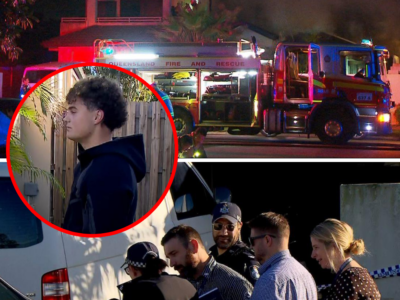
The gruesome murder in Pattaya, where a 17-year-old girl was killed and hidden in a suitcase, is not merely a personal tragedy; it raises unsettling questions about the security risks and latent dangers that foreign tourism can sometimes pose to local communities. The suspect, 45-year-old Australian national Simon Peter Carman, currently faces grave charges including murder, concealment of a corpse, and the abduction of a minor. The incident has sent shockwaves through both Thailand and the international community, not only due to the brutality of the crime but also because of the chilling contrast between the “friendly farmer” perceived by neighbors and the cold-blooded predator lurking in the shadows.
Instability Behind a Facade of Normality
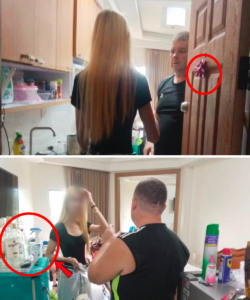
The photographs taken inside Carman’s hotel room—depicting piles of discarded clothing, empty rum bottles, and general disarray—hint at a life characterized by internal chaos. The testimony of his landlord, who described Carman as someone who “often swam, ate at restaurants, and was friendly with people,” underscores the inherent unpredictability of modern-day criminality. This serves as a stark reminder of the difficulty in gauging the true nature of individuals within transient tourist environments. Many expatriates and visitors arrive in Thailand seeking a tranquil lifestyle, yet the local culture of openness and hospitality can inadvertently provide a perfect shroud for those with malicious intent.
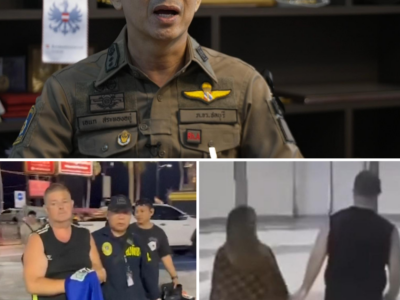
Carman’s decision to move the suitcase via the service elevator late on June 25th became the pivotal moment that unraveled his crime. Despite his attempts to maintain the veneer of a casual traveler, his behavior failed to evade the vigilance of local authorities. The swift apprehension of the suspect at Suvarnabhumi Airport, just as he was attempting to flee the country, successfully thwarted an international escape. Nevertheless, this case exposes vulnerabilities in the monitoring of long-term foreign residents; despite successfully extending his visa and having no prior criminal record, he was still capable of committing an unforgivable act of violence.
Consequences of Vulnerabilities in Tourist Hotspots
From an objective perspective, this case represents a convergence of multiple risk factors: the inherent vulnerability of youth, the high-energy nocturnal environment of Pattaya, and the mobility afforded to international travelers. A 17-year-old girl encountering a stranger at 3:00 AM serves as a sobering alert regarding the safety of young people in nightlife districts. However, the ultimate culpability rests with the perpetrator, who exploited the status of a “tourist” to carry out a barbaric act.
The incident highlights an urgent need for enhanced security and oversight in major tourist hubs. As the volume of international visitors increases, authorities must implement stricter management protocols—ones that extend beyond basic immigration screening to include greater synergy between local communities and law enforcement. A welcoming atmosphere is vital, but public safety must remain the absolute priority. The profound grief of the victim’s family and the shock of those who once interacted with Carman are painful reminders that behind the polite smiles in cafes and bars, there may lie dormant seeds of depravity. As justice takes its course, this case remains a melancholic warning to all who seek tranquility in the Land of Smiles, underscoring that vigilance is an essential companion to hospitality.
SOURCE: ABC
https://www.abc.net.au/news/2026-07-01/photos-show-room-of-simon-carman-alleged-murder-thai-teenager/106863284