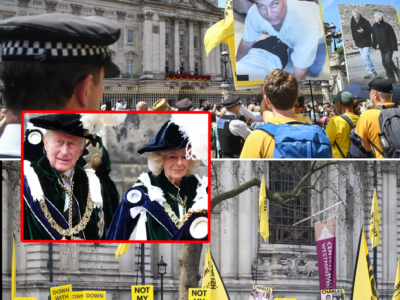
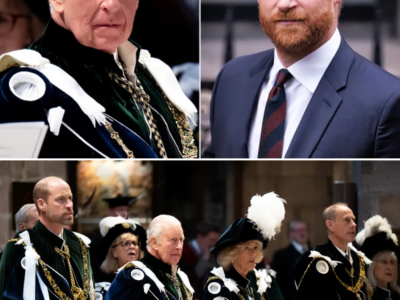
Harry prepares to receive a key ruling just before his planned return to the U.K
Prince Harry’s return to the United Kingdom in July 2026 is more than a simple visit to his home country; it marks the focal point of a decisive legal milestone. On July 7, the court is expected to deliver its ruling in the class-action lawsuit against Associated Newspapers Limited (ANL)—the publisher of the Daily Mail and The Mail on Sunday—over allegations of unlawful information gathering. This is widely viewed as the final chapter in the Duke of Sussex’s years-long effort to fundamentally challenge the operational practices of the British tabloid press.
When the “Battle” Becomes a Burden
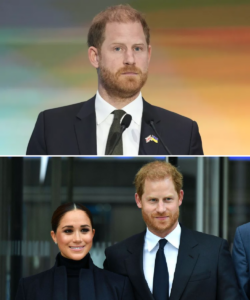
This legal conflict extends beyond the technical details of how news was sourced between 1990 and 2011; it symbolizes the profound tension between individual privacy and the media’s right to report. With legal costs estimated to reach tens of millions of dollars, this case is not merely a contest of arguments, but a high-stakes financial gamble. Yet, beyond the figures lies a heavy psychological toll. Prince Harry’s testimony in January 2026, where he described the life of his wife, Meghan Markle, as having been rendered “an absolute misery” due to persistent media intrusion, highlights a burden that transcends mere legal paperwork.
Harry’s decision to bring his family, including his two young children, Archie and Lilibet, back to the U.K. precisely when the ruling is expected sends a powerful message of resolve. Regardless of the outcome, this action underscores a determination to confront what he perceives as a systemic wrong head-on.
The Challenge of Accountability and Transparency
Objectively, Harry’s lawsuit reflects a reality of journalism that has been under scrutiny for decades. While the publisher ANL has consistently denied all allegations, asserting that their reporting was sourced legitimately, the persistence of Harry and other prominent figures—such as Elton John and Sadie Frost—in pursuing this case indicates significant, deep-seated resentment toward traditional tabloid tactics.
This confrontation is not merely a dispute between an individual and an organization. It poses a fundamental question regarding journalistic ethics: Should public curiosity be permitted to bypass the boundaries of privacy? Can “covert” information-gathering methods continue to persist in a society governed by the rule of law?
If the July 7 ruling favors the claimants, it could set a legal precedent that reshapes the media landscape in the U.K., compelling outlets to exercise greater rigor in sourcing. Conversely, should the case fail, Prince Harry faces not only the loss of a vast fortune but potentially deeper isolation from his homeland.
Ultimately, this journey has confirmed a stark reality: the cost of seeking accountability is often exorbitant. The events in the courtroom next Tuesday will not only determine the future of this specific litigation but will mark a turning point in the turbulent relationship between public figures and a press industry long fueled by the hunger for sensationalism. An apology and an admission of responsibility, as Harry has previously stated, may be the outcome he covets far more than any financial compensation.
SOURCE: PEOPLE
https://people.com/prince-harry-legal-battle-judgment-against-uk-publisher-expected-during-his-uk-trip-12010704