Scandal continues: Protests target former Prince Andrew following his appearance at the Sandringham horse driving trials
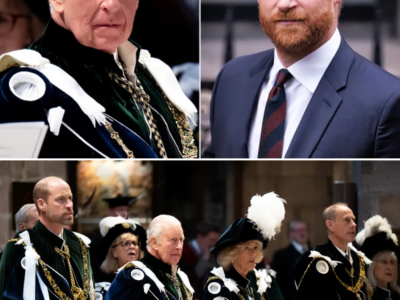
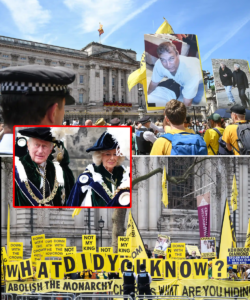
The appearance of the British royal family at St. Giles’ Cathedral in Edinburgh on July 1, 2026, was once again overshadowed by an atmosphere of tension as anti-monarchy protesters gathered with signs reading “Not My King” and “What Did You Know?” This is not merely an isolated event, but a testament to a simmering undercurrent of resistance, one that is becoming increasingly direct toward the traditional image of the monarchy in the modern era.
The Fallout from Persistent Scandals
The focal point of public resentment is inseparable from the name Andrew—the former Duke of York. His arrest on February 19, 2026, on suspicion of misconduct in public office related to his ties to convicted sex offender Jeffrey Epstein, has severely damaged the prestige of the monarchy. With the U.S. Department of Justice releasing thousands of documents, the questions surrounding Andrew’s involvement are no longer mere rumors but have solidified into specific evidence that places immense pressure on King Charles.
King Charles’ reaction—a brief statement affirming that “the law must take its course”—demonstrates an effort to maintain the distance necessary to protect the legitimacy of the institution. However, in the eyes of the public, this separation appears fragile. From the Trooping the Colour parade in June to the most recent incident in Scotland, it is clear that a segment of society no longer accepts the silence or dismissive attitudes typically associated with the elite. The sight of senior royals like Princess Anne urging family members to “ignore” the heckling reflects a growing awkwardness in how the institution manages public scrutiny.
A Crisis of Trust and the Future of the Crown
The quiet appearance of Andrew at the Sandringham Horse Driving Trials on June 30, marked by his gaunt appearance and a mysterious bruise on his cheek, felt like a somber note in an already sensitive chapter for the royals. His attempts to “sneak in and sneak out” suggest more than just personal evasion; they reflect his total isolation within his own family.
From a strategic perspective, the future of the monarchy presents daunting challenges for its successors. Purging the negative influence of Andrew is not only a moral imperative but a political necessity for the institution’s survival. The reported stance of Prince William, who favors a tougher approach to “cleaning out” these scandals, signals a shift in mindset: the era of tolerance for personal errors that compromise the entire system is coming to an end.
Respect for the monarchy is not an eternal privilege; it must be sustained through transparency and accountability. The protests on the streets are a stark reminder that this institution cannot exist detached from contemporary social and ethical standards. Unless the “scars” left by Andrew’s scandals are addressed decisively, the monarchy will struggle to fully regain public trust, and those protest signs will continue to grow, becoming increasingly wide cracks in the fortress of tradition.
SOURCE: PEOPLE
https://people.com/prince-william-king-charles-queen-camilla-face-protesters-scotland-12010936