A reunion that never came: The profound agony of a father who lost all four of his children
The horrific tragedy in a Mechanicville, New York apartment, where four children were found dead alongside their mother and grandmother, has delivered a devastating blow to public trust in the systems designed to protect children within broken families. With preliminary findings pointing toward poisoning and sharp-force trauma, this incident transcends being a mere criminal case; it stands as a stark indictment of the severe loopholes in monitoring and oversight for families embroiled in custody conflicts.
The Failure of Protective Mechanisms

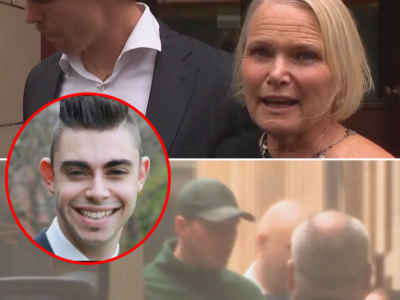
The narrative of Brady Harmon, a father who spent years tirelessly pursuing access to his children, exposes a harrowing reality. Despite voiced concerns and requests for welfare checks submitted to authorities, intervention ultimately arrived too late. The fact that police, upon receiving a check request on June 13, merely listened from outside the apartment without taking more decisive action serves as a costly lesson in procedural response. When the caution of law enforcement inadvertently becomes a barrier to safety, it is invariably the innocent children who pay the ultimate price.
Child Protective Services (CPS) in New York, ostensibly designed to preempt dangerous situations, failed to anticipate the psychological deterioration of the mother and grandmother. When repeated investigations yield no change in household management, confidence in the government’s ability to safeguard vulnerable children is fundamentally shattered.
The Fallout of Protracted Custody Disputes
In practice, custody battles are “battlefields” where the heat of resentment frequently obscures the welfare of the children involved. As parties become ensnared in cycles of litigation, scheduling conflicts, and parental alienation, children are often reduced to hostages. In the Mechanicville case, the void between November 2019 and the moment of the tragedy is not merely a span of years spent apart for the father and his children; it is a testament to the inexcusable stagnation of legal procedures.
When courts prioritize the division of time over the psychological monitoring of primary caregivers, the system inadvertently facilitates psychological disasters. The toxic cocktail of medications and the brutal acts within that apartment were not just the crimes of an individual; they were the consequence of a systemic failure to assess the lethal risks posed to children in volatile domestic environments.
Lessons in Responsibility and Vigilance
This tragedy raises profound questions regarding the government’s role in supervising high-risk families. Had reports of lost contact or behavioral abnormalities been met with swifter, more agile responses, might those four children have been saved? Calls for reform and enhanced child protection following such mass tragedies are essential, yet they must be coupled with concrete, proactive measures rather than remaining confined to administrative inquiries.
For a father to receive such devastating news just days before a scheduled reunion is a grief beyond measure. This loss serves as a grim warning: in any civil dispute involving minors, physical safety must supersede all administrative legal protocols. Without meaningful improvements in the coordination between courts, child welfare agencies, and law enforcement, similar tragedies will continue to haunt countless families. Ultimately, while police investigations into the specific role of Amy Steadman and the finer details of the case remain ongoing, the most vital lesson has already been laid bare: children cannot afford to wait for court procedures to conclude when their lives are hanging in the balance.
SOURCE: THE SUN
https://www.the-sun.com/news/16605530/dad-admits-heartbreak-after-kids-poisoned-grandma/