A major breakthrough in the hunt for the perpetrators behind the gangland-style assassination in Ascot Vale
The death of 33-year-old former boxer Hussein Dehaini is far more than a isolated homicide; it serves as a chilling wake-up call regarding an escalating power struggle within Melbourne. As family and friends gathered to lay him to rest at Fawkner Cemetery this past Wednesday afternoon, homicide detectives were engaged in a desperate race against time to untangle a complex criminal web—one characterized by cold-blooded assassins who operate with ruthless efficiency and surgical precision in concealing their tracks.
A Breakthrough from the Ashes
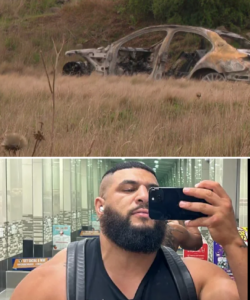
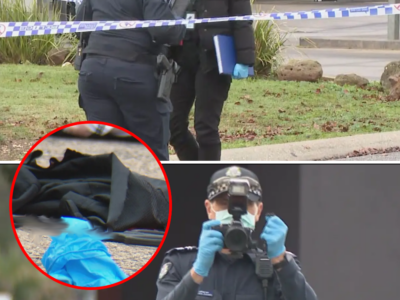
Following days of fruitless searching, a crucial tip from the public led police to a desolate rural road on the outskirts of Bacchus Marsh. There, they uncovered the charred remains of a Mercedes. Investigators are confident that this was the getaway vehicle used by the perpetrators to flee the scene of the Ascot Vale assassination in the early hours of Sunday morning.
The method of disposal suggests meticulous planning: the vehicle was strategically positioned and deeply concealed within the rural landscape, intended to ensure the fire consumed any potential forensic evidence before discovery. Currently, forensic experts are working to pinpoint the exact time the vehicle was dumped, clinging to the hope that the smallest remnants within the skeletal wreckage may eventually reveal the identities of those who pulled the trigger.
Life as a Pawn in the Underground
Hussein Dehaini was no stranger to law enforcement files. His history was a tapestry of criminal alliances, ranging from organized crime syndicates to notorious outlaw motorcycle gangs. However, Dehaini’s demise appears to be inextricably linked to a far more volatile front: the explosive turf war over illicit tobacco currently tearing through Melbourne.
In the eyes of authorities, Dehaini acted as a “foot soldier,” tasked with extorting businesses and enforcing collections. The brutal tactics he once wielded against others—most notably in a recent campaign targeting a prominent Middle Eastern property developer—ultimately transformed him into a target for similar retaliatory violence. The fact that Dehaini was ambushed and gunned down publicly in Ascot Vale, managing only to stagger toward his apartment building before collapsing, highlights the cold, professional nature of his executioners.
Perspective: Ghosts of the “Tobacco War”
The assassination of Dehaini reflects a grim reality regarding Melbourne’s underbelly. When criminal factions cease issuing warnings and instead resort to definitive gunfire on public streets, community safety becomes dangerously fragile. The revelation that the fleeing hitmen nearly struck a pedestrian moments after the shooting only underscores the reckless disregard for human life held by these individuals.
Is this a stark warning to other factions competing for market share in the illicit tobacco trade, or merely an internal purge designed to silence a liability? As of now, the true motive and the identity of the trigger-man remain obscured. Homicide detectives face a daunting task—not merely hunting a killer, but dismantling an entire chain of criminal influence that has deeply embedded itself into the urban structure. As the death of a standover man commands public attention, it serves as a sobering reminder that in this shadow war, the predator and the prey are often separated by a razor-thin margin, and the path to justice remains a long and arduous journey.