Sh0cking revelations from MAFS insiders about the rape scandal have sparked debates about contestants’ safety and the production process
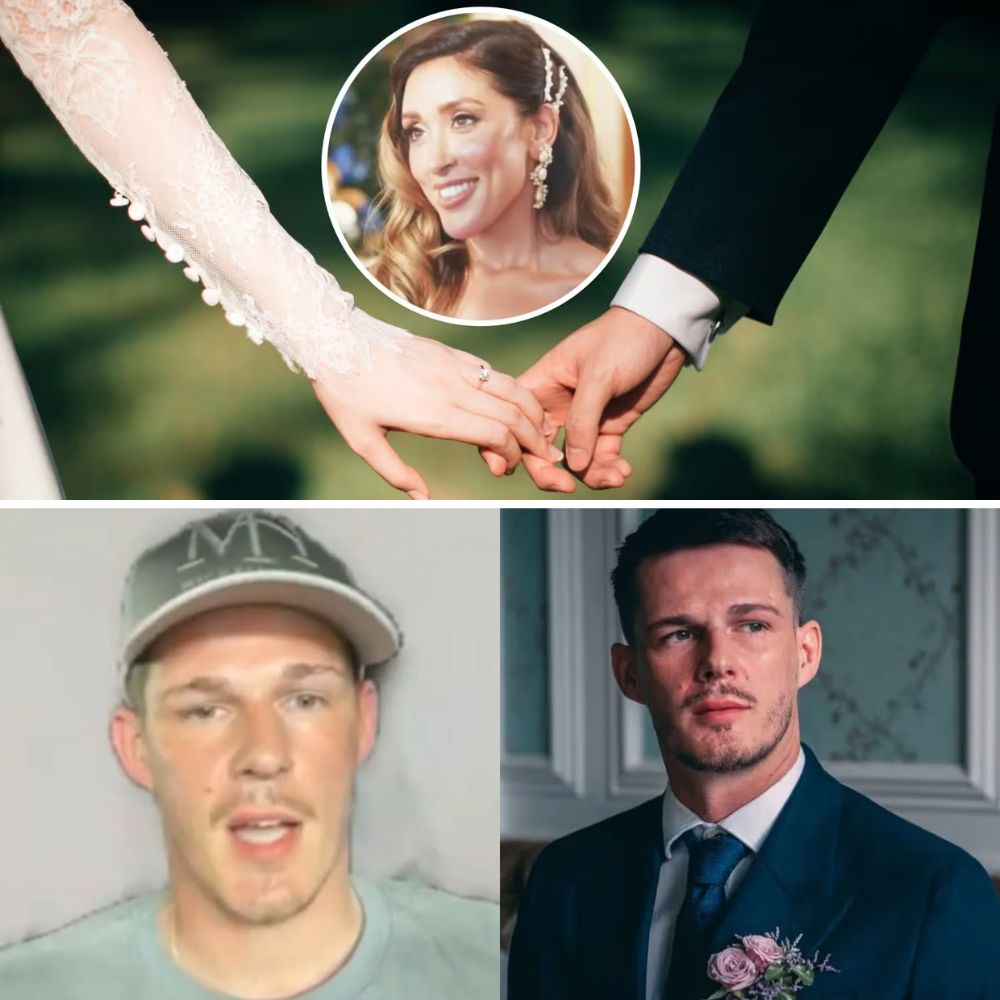
In a significant development for one of television’s most controversial reality formats, Steven Springett, a groom from the 2024 series of Married At First Sight UK, has publicly addressed the serious allegations that have rocked the long-running show.

Following a BBC Panorama investigation that featured allegations from former female contestants claiming they were raped or sexually assaulted by their on-screen husbands—allegations strongly denied by the men involved—Springett has described the claims as “awful” and called for fundamental changes to the programme’s format if it is to continue.
Speaking exclusively to the Daily Star, Springett revealed that cast members received advance warning of the impending media story. “We got an email that day saying something was coming out to the press,” he explained. Upon watching the Panorama documentary, he found the accounts “very compelling.”
While emphasising that his own experience on the show differed markedly from those described, Springett expressed deep empathy for the women involved. “It was awful hearing what people say they experienced,” he said. “My heart goes out to them. You never want anyone to go through something like that. You try to put yourself in their shoes and think what must they be feeling now.”
Positive Experiences vs Systemic Concerns
Springett, who was paired with cosmetic dentist Nelly Patel and ultimately left the experiment separately during the sixth commitment ceremony, acknowledged that welfare support during his series was thorough. He noted that producers and welfare teams maintained frequent contact, sometimes checking in multiple times a day. “Welfare were very good with me,” he said. “They were checking in on us multiple times a day. Sometimes it felt like they were part of the relationship because they were always there.”
However, he argued that good individual support is not enough. Springett believes the core structure of the show itself needs urgent reform to prevent similar situations arising in the future.
“If the show stays on TV, changes have to be made,” he warned. “Otherwise you’re going to rinse and repeat what’s come out.”
Specific Recommendations for Reform
Among his key suggestions are:
Delaying the point at which couples move in togetherRemoving intimacy-themed tasks and challengesProviding contestants with more opportunities to exit the process before becoming fully immersed
Springett highlighted the intensity of the current format: “People are marrying strangers and then immediately living together. Some have never lived with a partner before. You’re putting people into an intense environment before they’ve even had the chance to build a connection.”
He also questioned the casting and matching process, suggesting producers sometimes prioritise dramatic television over genuine compatibility. “It does feel like sometimes people are paired because they’re opposites,” he said. “Maybe listen more to what people actually want rather than giving them someone completely different.”
Broader Fallout
Springett’s comments arrive amid significant institutional responses. Channel 4 chief executive Priya Dogra issued an apology, acknowledging the women’s distress and expressing that she was “deeply sorry.” The broadcaster has commissioned an independent review into welfare procedures on the show, while maintaining that the allegations against individuals remain unproven. The next series has not been cancelled.
Members of Parliament have demanded answers from Channel 4 and Ofcom, describing the allegations as “horrifying.” Police have encouraged potential victims linked to reality television to come forward. The production company, CPL, has defended its welfare protocols as “gold standard” and industry-leading.
A Call for Accountability
Springett concluded by praising those who have spoken publicly: “Credit to the people who have spoken up. Whatever happened, it takes strength to come forward. If the show continues, it has to learn from what’s happened.”
His intervention adds an important insider perspective to the ongoing debate. While Married At First Sight UK has long thrived on the drama of strangers entering marriage, the current scandal has exposed deeper questions about duty of care, psychological safety, and the ethical limits of entertainment built on extreme emotional and relational pressure.