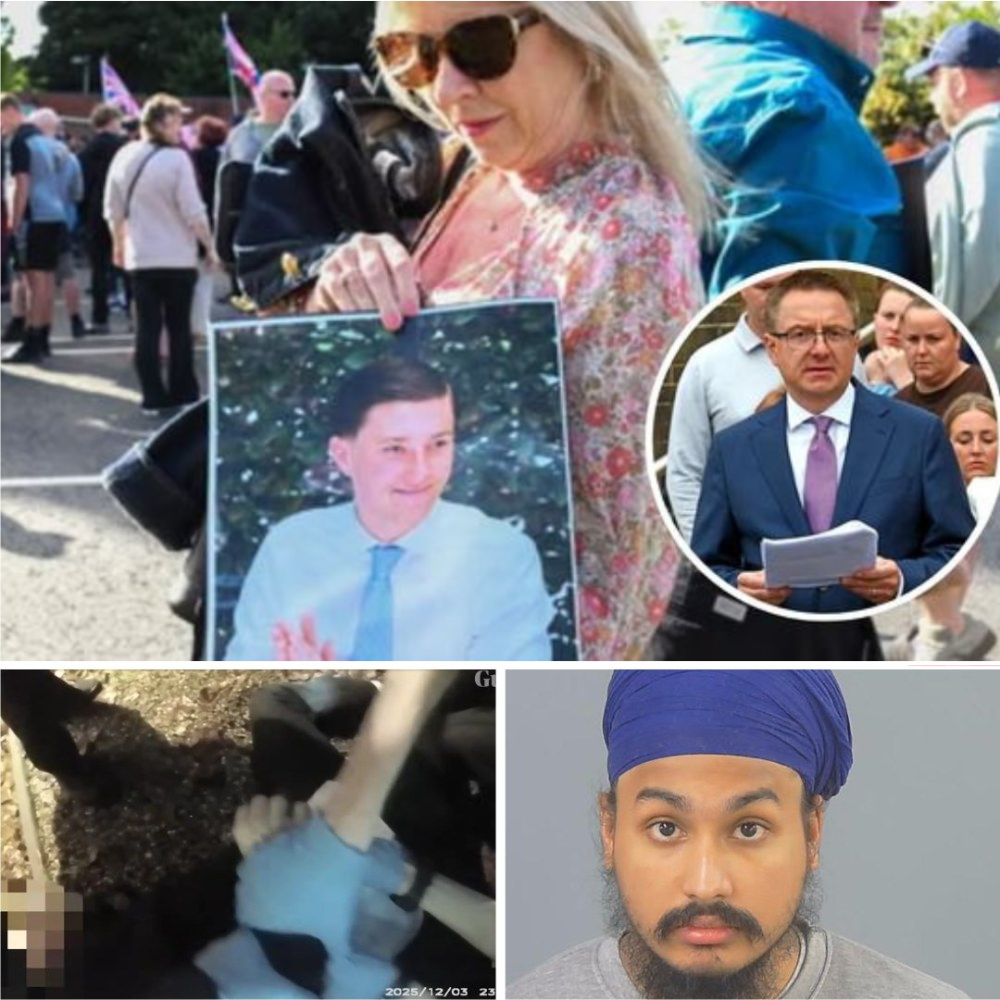
“He Repeated It Nine Times…” – Sh0cking Detail From Henry Nowak’s Final Moments Sparks Renewed Outrage Across the UK
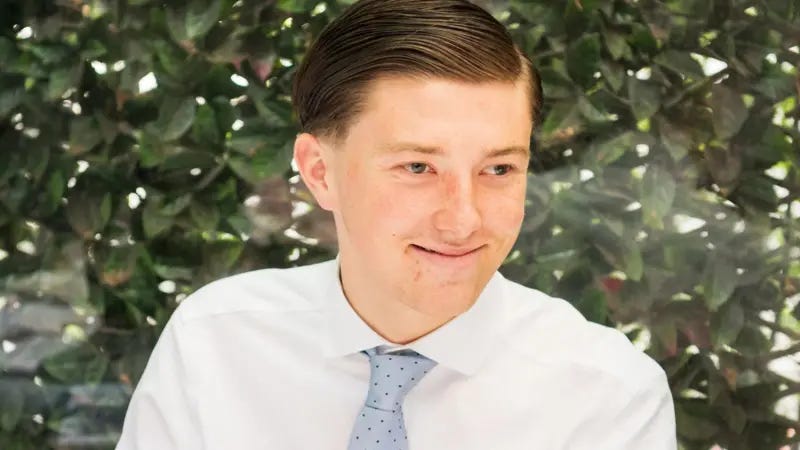
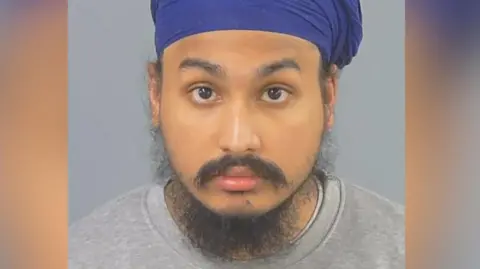
The final moments of an eighteen-year-old’s life should never be defined by the cold click of steel handcuffs or the dismissive scoff of a public servant, yet for Henry Nowak, this was the visceral reality of his departure from the world. Last December, in the quiet residential landscape of Southampton, a young university student walking home after an evening with friends encountered Vickrum Digwa, a man who would ultimately become his executioner. The biological reality of the event was a series of fatal stab wounds, but the institutional reality was a staggering display of professional negligence captured on body-worn camera footage that has since paralyzed the nation with a mixture of grief and disbelief.
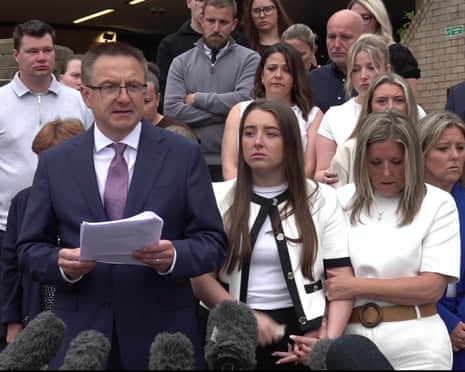
As Nowak lay dying on the gravel, he gasped for air and pleaded for help, informing the responding officers nine separate times that he could not breathe and four times that he had been stabbed. Instead of the urgent medical intervention mandated by the College of Policing and the European Convention on Human Rights, Nowak was met with a chillingly casual dismissal. “I don’t think you have, mate,” one officer was recorded saying, while another flatly stated that he had not been stabbed. The lead-through from a random street attack to a formal arrest for assault—read to a victim who was rapidly losing consciousness—marks a moment of profound institutional failure that the Nowak family has rightfully branded as inhumane and degrading.
The curious detail here is not merely that the police were misled by the killer’s “wicked lie” of a racist provocation, but that the system’s immediate instinct was to prioritize the restraint of a victim over the preservation of a life, proving that in the search for detail regarding police conduct, the standard of care is often the first thing to be discarded.
The tragedy of Henry Nowak’s death has not remained a localized matter of criminal justice, but has instead been seized upon by a political class that appears increasingly eager to prioritize cultural warfare over human dignity. The story has taken a sharp turn as Reform UK and other right-wing factions have co-opted the incident to refuel a pervasive and evidence-free narrative of “two-tier policing.”
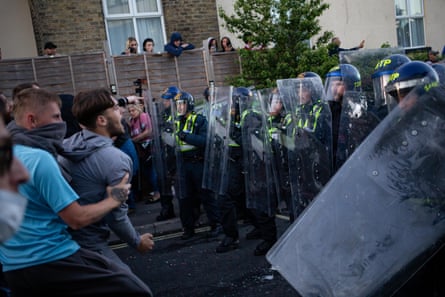
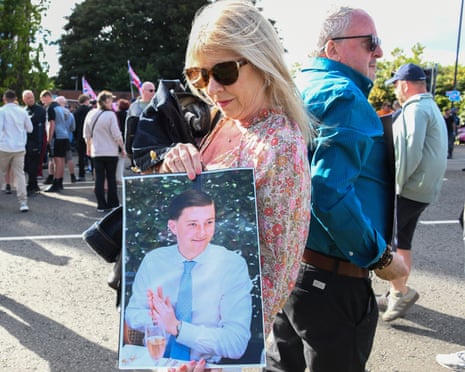
By focusing on the ethnic identity of the killer—a Sikh man—and the false allegations of racial abuse he leveled at the scene, figures like Nigel Farage and Robert Jenrick have sought to explicitly racialise the tragedy, proposing a central clause that white British people are now an unprotected class within their own justice system. Farage’s public call for “pure cold rage” and his likening of the event to a “two-tier Britain” served as a dog-whistle that manifested almost instantly in the form of riots in Southampton, where neo-fascist elements and Nazi salutes were observed.
This exploitation occurred in direct defiance of the Nowak family’s explicit wishes, as his father, Mark Nowak, stood on the court steps to plead that his son’s inclusive legacy not be weaponized to create further division or hatred. The irony is staggering; while the right-wing narrative attempts to paint Nowak as a victim of a “nativist” struggle, the actual data on policing in Britain paints an entirely different picture. Black people in the United Kingdom remain seven times more likely than white people to die following police restraint, and Black children are eight times more likely to be subjected to the indignity of a strip-search. By ignoring these statistical realities to construct an inverted version of the truth, the populist project has reduced a grieving family’s loss to a mere pawn in a desperate bid for political relevance ahead of the Makerfield by-election.
The ultimate failure in the saga of Henry Nowak lies with the current British government and its inability to provide the moral or systemic clarity required to navigate such a volatile crisis. Home Secretary Shabana Mahmood’s insistence that the police have a “sacred duty” to operate without fear or favor sounds increasingly like a hollow platitude when contrasted with the visceral evidence of the Southampton bodycam footage. Similarly, Prime Minister Keir Starmer’s observation that there are “serious questions” regarding how accusations of racism inform decision-making fails to address the underlying cowardice that prevents the leadership from denouncing the two-tier policing myth for the fiction that it is.
The story is further complicated by the actions of Policing Minister Sarah Jones, who has moved to criticize anti-discrimination guidance under the pretense that it “gives the wrong impression,” effectively distancing the administration from the anti-racist practices that remain essential in a fractured society. The proposition facing the nation is a grim one: if the political class continues to validate the grievances of those who wish to racialise every custodial death, they are condemning future victims to a system that is more afraid of a social media firestorm than it is of letting a student die in the street.
Much like the family of Lee Rigby before them, the Nowaks are now forced to watch as their son’s name is etched onto the banners of extremists, while the institutions meant to protect him remain paralyzed by a fear of being perceived incorrectly. The search for a dignified conclusion to this tragedy remains elusive, as the truth of Henry Nowak’s final breaths is buried beneath layers of political spin and tribal rage, leaving a legacy of a young man who was failed not just by a killer and a constable, but by the very nation he called home.