I WANT TO SEE CHANGE… — SEAN GATHRIGHT AND HIS FAMILY DELIVER EMOTIONAL PLEA BEFORE SENTENCING IN FOOLIO CASE
“I Want to See Change”: Sean Gathright and Family Address Judge Before Life Sentence in Foolio Murder Case
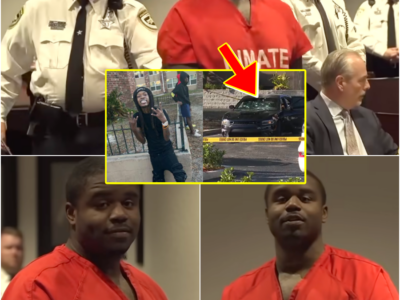
An emotional sentencing hearing in Tampa, Florida, brought powerful statements from both Sean Gathright and his family as the young defendant faced the reality of a life sentence for the 2024 murder of rapper Charles Jones II, better known as Foolio.
The hearing marked one of the final chapters in a case that has drawn national attention since Jones was fatally shot during what prosecutors described as a targeted attack connected to ongoing gang-related conflicts. Gathright, along with several co-defendants, was convicted of first-degree premeditated murder and related offenses.
Before the court imposed its sentence, Gathright’s mother addressed the judge in a heartfelt statement that focused not only on her son but also on the wider impact of the case.
She spoke about the damage that violence has caused within the Jacksonville community and reflected on how the tragedy had affected countless families. According to her, one of the lessons emerging from the case was the importance of communication between parents and children. She urged families to remain involved in their children’s lives and warned about the consequences that can follow when young people become influenced by destructive environments.
Despite standing before the court as the mother of a convicted murderer, she also expressed sympathy for the family of Charles Jones. Acknowledging their loss, she said she understood that nothing could erase the pain they continue to endure.
Her remarks then shifted toward a plea for mercy.
Gathright’s mother argued that her son was only 18 years old at the time of the crime and that scientific research suggests the human brain, particularly areas responsible for impulse control and decision-making, continues developing well into early adulthood. She questioned whether a sentence of life without parole was an appropriate response for actions committed at such a young age.
While she did not attempt to excuse the crime, she asked the court to consider the possibility of growth, rehabilitation, and redemption.
When it was his turn to speak, Sean Gathright delivered a lengthy and carefully prepared statement.

Drawing heavily from his Christian faith, Gathright referenced biblical themes and compared aspects of his life to the story of the Prodigal Son. He spoke about mistakes, personal transformation, and the belief that individuals can change even after making devastating decisions.
Throughout his remarks, he repeatedly emphasized the idea of redemption and suggested that society should not automatically define a person solely by their worst moment.
One of the central themes of his statement was the treatment of young offenders within the criminal justice system.
Gathright questioned what he viewed as inconsistencies in how society defines adulthood. He pointed to various legal restrictions that remain in place for people under the age of 21, including limitations involving alcohol, tobacco, and other adult privileges. At the same time, he noted that young defendants can still face the most severe punishments available in the criminal justice system.
While acknowledging the seriousness of the charges against him, he argued that society should continue examining how young offenders are sentenced and whether more opportunities should exist for rehabilitation.
At several points, Gathright expressed regret for the choices that led him to the courtroom. He also stated that he hoped his case would contribute to broader discussions about youth violence, accountability, and criminal justice reform.
The phrase “I want to see change” became one of the defining messages of his statement. Though directed at the court, the sentiment appeared aimed at a larger audience, reflecting his belief that both communities and institutions must do more to prevent young people from becoming involved in violent crime.
Despite the emotional appeals from both Gathright and his family, the court ultimately upheld the sentence.
The judge sentenced Gathright to life in prison without the possibility of parole for first-degree premeditated murder, along with additional penalties related to the case.
For the family of Charles Jones, the sentencing represented the conclusion of a long legal process following the rapper’s death. For Gathright and his supporters, it marked the beginning of a life behind bars.
The hearing closed with powerful and often conflicting themes: grief, accountability, faith, punishment, and the enduring question of whether youthful offenders should be viewed primarily through the lens of their crimes or through their potential for change.