TOO MANY WARNINGS, TOO LITTLE ACTION: Eight Missed Intervention Points Before a Child’s De-ath Spark System Review
EIGHT MISSED CHANCES — The Warning Signs Everyone Saw But No One Stopped
By the time little Preston Davey arrived at hospital for the final time, it was already too late.
The 13-month-old boy had endured months of abuse behind closed doors before his death shocked the nation and triggered an outpouring of grief, anger, and disbelief.
Now, as those responsible face justice, attention has shifted to an equally troubling question.
How did so many warning signs pass unnoticed?
Or perhaps more disturbing still: were they noticed, but never acted upon?
A timeline presented following the trial has revealed what many now describe as eight separate opportunities where intervention might have changed Preston’s fate.
Each moment appeared small when viewed in isolation.
Together, they paint a deeply troubling picture.
The first warning sign emerged on May 11, 2023.
An emergency call was made to 999.
Yet the operator received no response.
According to evidence heard later, a voice in the background instructed the caller to hang up.
A follow-up NHS call also went unanswered.
No immediate alarm was raised.
The incident disappeared into the background.
Just two weeks later came another opportunity.
On May 25, Preston was taken to hospital after becoming unresponsive.
Medical staff observed bruising on his forehead.
Explanations were provided.
The injuries were attributed to ordinary childhood accidents associated with learning to crawl.
The explanation was accepted.
No further action followed.
At the time, it may have appeared entirely reasonable.
Looking back now, critics argue it was the beginning of a pattern.
Then came June 30.
Preston was once again brought to hospital.
A nurse noticed another bruise.
Again, an explanation was available.
Again, concerns were eased.

Again, no safeguarding intervention followed.
One injury.
One explanation.
One more missed opportunity.
Days later, on July 4, a social worker visited the home.
Preston reportedly appeared pale and unusually subdued.
Something seemed different.
Something appeared off.
Yet the change in behavior was linked to a recent illness rather than potential abuse.
The visit ended.
Life moved on.
The warning sign remained only a warning sign.
Two days later came what many now view as one of the most significant moments.
Preston returned to hospital.
Doctors discovered an injury affecting his arm.
An explanation was offered.
The account was accepted.
Questions ended there.
In hindsight, the moment has become one of the most heavily scrutinized points in the timeline.
Would a deeper investigation at that stage have uncovered something more?
No one can say for certain.
But the question continues to haunt those who followed the case.
The next day, another social worker visited.
Records later revealed that concerns briefly crossed her mind.
Something apparently caused hesitation.
Something prompted reflection.
Yet ultimately, no safeguarding action was taken.
Years later, those moments of uncertainty have become central to public discussion.
Not because anyone suggests social workers intentionally ignored danger.
But because the consequences of getting it wrong proved catastrophic.
Then came perhaps the most startling missed opportunity of all.
Evidence presented during the trial revealed that concerns had reportedly been expressed to a colleague.
The comments were alarming enough that, under different circumstances, they might have triggered immediate reporting.
Instead, reassurance was given that professionals were already aware.
The information went no further.
The chance disappeared.
Looking back, many observers now see this as one of the most painful “what if” moments in the entire case.
What if that conversation had been reported?
What if questions had been asked?
What if someone had decided not to assume that others were already dealing with it?
No one knows.
But the questions remain.
The final missed opportunity arrived shortly before Preston’s death.
A school headteacher visited amid concerns about emotional wellbeing.
The visit ended without major alarm.
No immediate safeguarding concerns were identified.
Once again, the moment passed.
Days later, tragedy struck.
What emerged during the trial horrified even experienced investigators.
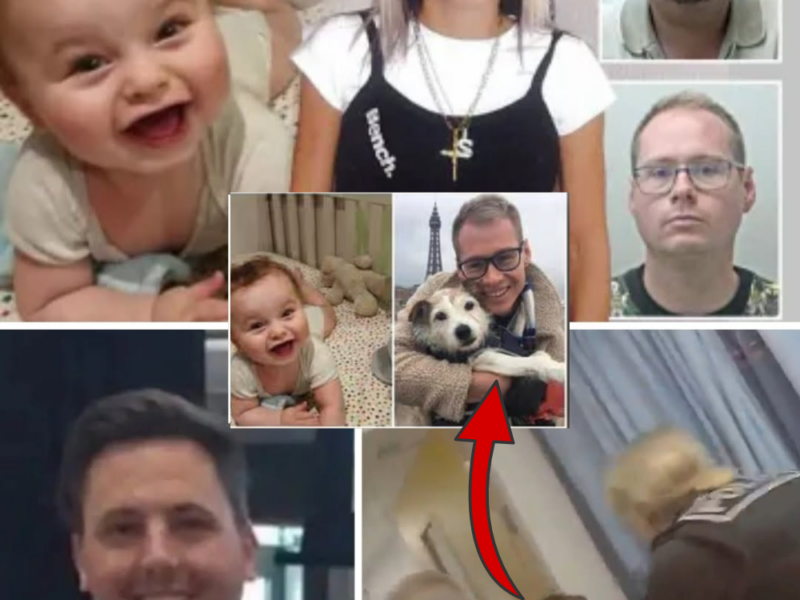
The image presented publicly of a happy family bore little resemblance to what prosecutors described inside the courtroom.
Jurors heard allegations of prolonged abuse hidden behind carefully curated appearances.
Photographs posted online projected normality.
Behind the scenes, prosecutors argued, reality was very different.
When emergency services were finally called during Preston’s last medical crisis, explanations were immediately offered regarding what had happened.
But investigators would later challenge those accounts.
The subsequent investigation uncovered evidence that transformed the case from a tragic death into one of the most disturbing child abuse prosecutions in recent memory.
Ultimately, a jury convicted Jamie Varley of murder.
John McGowan-Fazakerley was convicted of allowing the death of a child as well as additional offences.
Yet even after the verdicts, another debate has continued.
Not about guilt.
Not about the jury’s conclusions.
But about the system surrounding Preston.
Could somebody have saved him?
That question now dominates public discussion.
The focus has increasingly shifted away from the final day and toward the months beforehand.
Each hospital visit.
Each bruise.
Each conversation.
Each professional assessment.
Each moment where concerns appeared briefly before fading away.
Families, campaigners, and safeguarding experts have all asked similar questions.

Why did repeated signs fail to trigger stronger intervention?
Were individual incidents viewed too narrowly?
Did professionals become overly reliant on explanations provided at the time?
Or did systemic pressures make it harder to recognize the larger picture?
Preston’s grandmother has been among those demanding answers.
She has spoken publicly about her belief that opportunities existed to protect the little boy.
Her grief has been accompanied by frustration over the apparent absence of disciplinary action while safeguarding reviews continue.
Meanwhile, authorities have confirmed that an independent review is examining the circumstances surrounding the case.
Its findings may eventually shed light on decisions made throughout Preston’s short life.
But for many observers, the central mystery already feels painfully clear.
The warning signs were not hidden.
Many appeared in plain sight.
Individually, they may not have seemed extraordinary.
Collectively, they now appear impossible to ignore.
And that is what makes the case so devastating.
Not simply that a vulnerable child died.
But that so many moments existed when the outcome might have been different.
Eight separate opportunities.
Eight separate moments.
Eight chances that now exist only in hindsight.
And years from now, when people look back at Preston Davey’s story, one question may continue to echo louder than any other:
If so many warning signs were visible before the tragedy, why did nobody connect them before it was too late?