Sh0cking New Inquiry: Was Henry Nowak Handcuffed While Fighting for His Life Amid Police Concerns Over Race Protests?
Police Watchdog to Probe Whether Officers Who Handcuffed Dying Student Henry Nowak Were Influenced by Nearby Asylum Hotel Protests
The police watchdog is set to investigate whether officers who handcuffed dying student Henry Nowak were influenced by protests at a nearby asylum hotel. The Independent Office for Police Conduct (IOPC) will announce this week that its inquiry into Hampshire Police has widened to consider whether officers mistakenly treated the murder victim as a suspect because of local anti-immigration protests. The development comes in a case that has shocked the nation and raised serious questions about policing practices and impartiality.
In the tragic incident, police arrested and handcuffed the 18-year-old as he lay dying after his killer Vickrum Digwa falsely claimed he had been racially abused. Earlier this month, Shadow Home Secretary Chris Philp and former Home Secretary Suella Braverman called for the arresting officers to face a full misconduct investigation after the dying student’s cries of “I’ve been stabbed” went ignored by an officer who scoffed, “Don’t think you have, mate.”
The IOPC has already spent six months examining the circumstances of the appalling case in which police were tricked by the 23-year-old killer shortly after he stabbed Mr Nowak five times on a night out in Southampton last December. Investigators will consider Hampshire Police’s arrest of the victim, officers’ use of handcuffs and first aid. However, the individual officers concerned have not been served with any notice of investigation as the probe is not currently considering individual wrongdoing.
This week the IOPC will announce the scope of their probe has widened to consider whether local protests about migrants was a contributory factor in officers’ thinking. The murder on December 3 last year happened minutes from Highfield House Hotel, where protests have been taking place since May last year when the Home Office began using the site to house about a hundred asylum seekers.
Local Tensions in Portswood Area Before the Murder
In the months before Mr Nowak was killed, tensions in the local area of Portswood were growing after a series of incidents, including the arrest of two asylum seekers for exposure and groping two women walking down a street. Locals described a “climate of ongoing racial abuse” due to the anti-migrant protests at the hotel. In September, police had launched an arson investigation after a flare was thrown through a ground-floor window. The following month a rally ended in violent clashes between migrants and protesters outside the hotel.
Police had made five arrests since protests began last summer and issued five dispersal orders, including one in November just days before the murder 500 metres from the hotel. When police arrived on the scene, Digwa, who used a Sikh ceremonial blade to carry out the stabbing, told them: “This isn’t the first time we’ve had altercations…We’ve had people racially attack us during the morning.”

The police watchdog will investigate whether police officers who handcuffed Henry Nowak were influenced by protests at a nearby asylum hotel

Police officers pinned fatally injured Henry to the ground as he gasped ‘I’ve been stabbed’ and ‘I can’t breath’. Gurpreet had said Henry was the aggressor

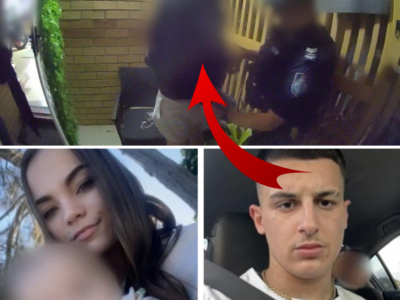
Murderer Vickrum Digwa is seen lying to police as he tells them the teenager ripped off his turban in a racist attack. It was revealed to be a ‘wicked lie’

Vickrum Digwa (pictured) was jailed for a minimum of 21 years after he stabbed Henry to death
IOPC Widens Investigation but Not Targeting Individual Officers
An IOPC spokesman said: “We have been updating our terms of reference following recent discussions with Henry’s family. Once all concerned parties are notified we will be in a position to provide further information.” The watchdog is sticking to its decision not to investigate the conduct of the individual officers involved, instead treating them as witnesses in their inquiry.
This approach has drawn criticism from some quarters, with calls for a full misconduct investigation into the officers who handcuffed the dying teenager and initially dismissed his claims of being stabbed. The case has raised serious questions about how police respond in high-pressure situations and whether external factors such as local tensions can influence their decision-making.
Family and Political Calls for Accountability
Henry’s family has been pushing for answers about why their son was handcuffed while seriously injured and why it took eight minutes for officers to discover his stab wound despite his repeated pleas. The family’s discussions with the IOPC have led to the widening of the investigation’s scope to include the potential influence of local protests.
Shadow Home Secretary Chris Philp and former Home Secretary Suella Braverman have been vocal in calling for individual officers to face scrutiny. They have highlighted what they see as a “shameful difference” in how Digwa and Henry were treated, with Digwa being addressed reassuringly while Henry was restrained.

The murder and its aftermath have sparked intense debate about policing standards, impartiality, and the impact of community tensions on operational decisions. The decision to widen the IOPC investigation to consider the influence of local protests represents a significant development in the case.
The Night of the Murder and Conflicting Accounts
The confrontation between Henry Nowak and Vickrum Digwa took place in Southampton last December. Digwa stabbed the teenager multiple times with a ceremonial Sikh sword. In the immediate aftermath, Digwa told officers he had been racially attacked, claiming Henry had used slurs and pulled his turban. These claims appear to have influenced the initial police response, with Digwa being addressed in a notably familiar and reassuring manner by the arresting officer.
Bodycam footage previously released showed officers speaking to Digwa as medics tried to save Henry just yards away. Digwa complained about flashing blue lights bothering his eyes and continued to insist he was the victim. Meanwhile, Henry was reportedly handcuffed while bleeding heavily and struggling to breathe. Transcripts indicate that despite telling officers multiple times about the stabbing, it took a full eight minutes for the wound to be located.

Broader Questions About Policing and Community Tensions
The case has sparked intense public debate about standards in policing, particularly in high-pressure situations involving potential violence and conflicting narratives. The decision to consider the influence of local protests in the IOPC investigation reflects the complex environment officers were operating in at the time.
The murder happened minutes from Highfield House Hotel, where protests had been taking place since the Home Office began using the site to house asylum seekers. The growing tensions in the area may have created a challenging backdrop for the officers responding to the incident.
As the IOPC investigation continues, the focus remains on learning lessons and ensuring accountability. Henry’s family continues to seek answers about the circumstances of his death and why his claims were initially dismissed. The widening of the investigation’s scope represents a response to their concerns and a recognition that external factors may have played a role in the officers’ decision-making.
The case serves as a sobering reminder of the challenges faced by frontline officers and the importance of clear procedures, training, and accountability in maintaining public trust. As more details from the bodycam footage and transcripts continue to surface, questions persist about how police officers prioritise information and assess threats in real time.
The contrast between Digwa’s treatment – addressed reassuringly and arrested with apparent sympathy – and Henry’s – handcuffed while seriously injured and his claims initially dismissed – has troubled many observers. While the individual officers are not currently under investigation for misconduct, the broader inquiry into Hampshire Police’s response will examine whether systemic issues or external pressures influenced their actions.
As the investigation progresses, the public and Henry’s loved ones will be watching closely for outcomes that honour the memory of the young student whose life was cut short so violently. The case has already had a significant impact on discussions about policing practices and the need for impartiality in all circumstances.