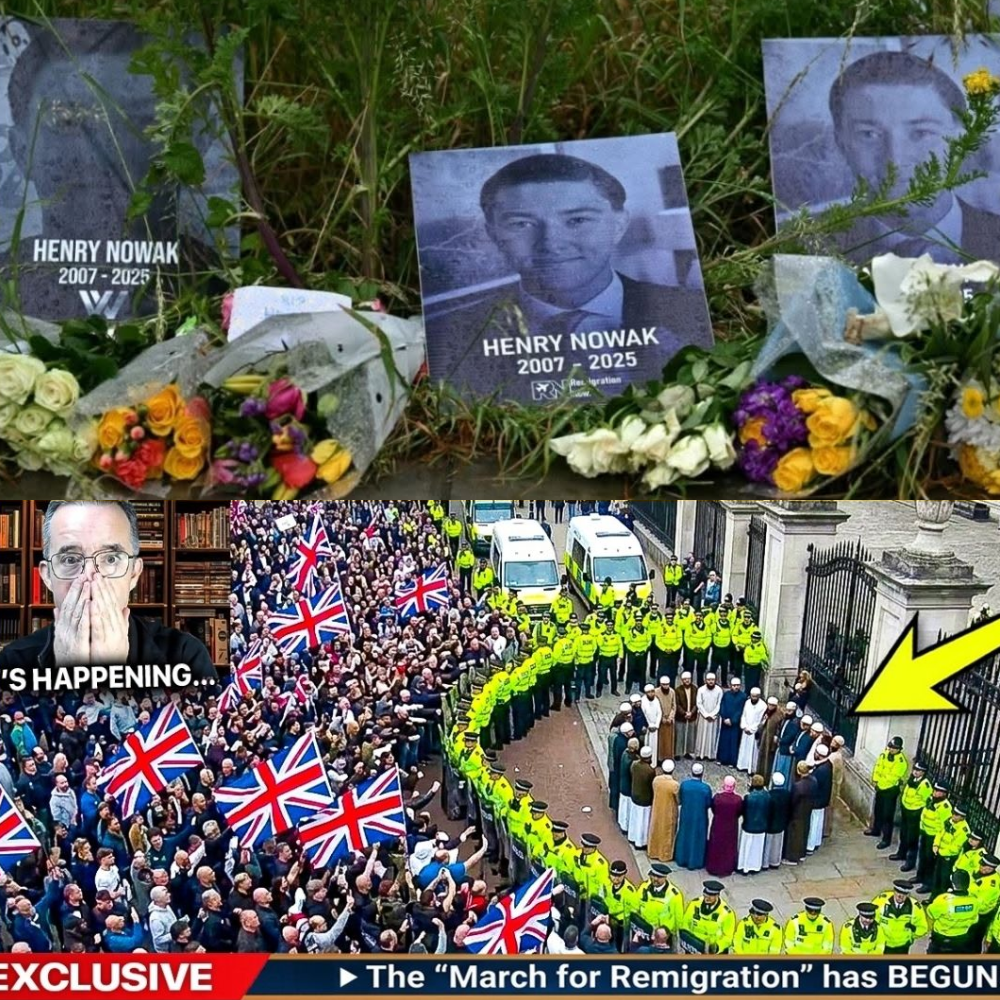
Protests Erupt in Southampton Amid Growing Outrage Over the Circumstances Surrounding Henry Nowak’s De-a-th
Southampton has been shaken by a major public protest following the death of 18-year-old Henry Nowak, whose case has become a deeply emotional flashpoint in Britain’s debate over policing, justice and public trust.
Thousands of people gathered in the city to remember Henry, with many attending what began as a solemn memorial for the teenager. Crowds stood together in silence, with videos from the scene showing residents pausing for a minute of remembrance in an emotional tribute to a young life taken far too soon.

For many of those present, the gathering was about grief first. Henry’s death has left his family, friends and supporters heartbroken, and the silence in the crowd reflected the depth of that pain. But as the evening continued, the mood also revealed a growing frustration over the circumstances surrounding his final moments.
The case has sparked particular anger because of questions about the response of police officers who attended the scene after Henry was attacked. Critics have claimed that he was handcuffed despite being in serious medical distress, a detail that has generated intense public concern and led many to demand a full explanation.
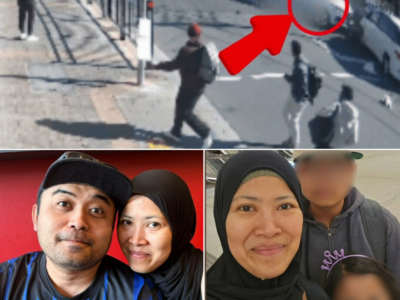
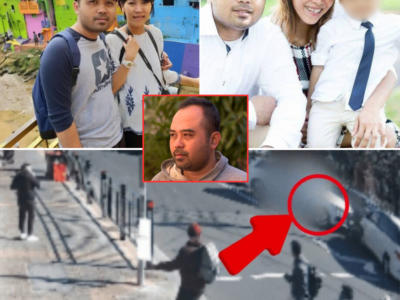
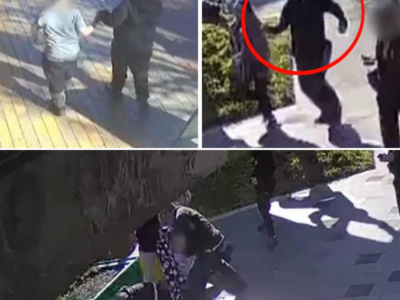
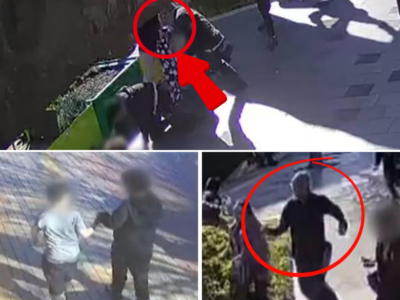
Images and footage shared online have further fuelled the anger. Supporters of Henry’s family have pointed to material circulating on social media as evidence that urgent questions must be answered. For them, the issue is not only the violence that ended Henry’s life, but also how he was treated in the crucial moments afterward.
During the demonstration, speakers and attendees called for accountability and transparency. Many argued that public confidence in policing has already been badly damaged and that only a thorough, open investigation can begin to restore trust.
The memorial portion of the event was described as peaceful and deeply moving. However, tensions later escalated as some protesters confronted officers and crowds gathered near a local police station. Videos appeared to show anger spilling over, with reports of bins being set alight and objects thrown towards police lines.
Authorities have not yet provided a full account of every incident that took place during the unrest. At the same time, many who attended insisted that most people were there peacefully, to grieve, to remember Henry and to ask for answers.
The protest also became a wider expression of anxiety about public safety. Banners and messages seen among the crowd reflected fears about crime, the protection of young people and whether ordinary families can trust institutions to act fairly and quickly when tragedy strikes.
Community voices have urged calm while also demanding that every part of the case be properly examined. That includes the attack itself, the emergency response and the actions taken by police officers at the scene. For Henry’s supporters, anything less than full transparency would deepen the sense of injustice.
Political figures and commentators are now debating what the Southampton protest says about the national mood. Some see it as evidence of growing anger towards public institutions. Others have warned that grief and frustration must not be allowed to turn into violence or division.
At the centre of the story, however, remains Henry Nowak — a teenager whose life ended far too soon and whose name is now being carried by people far beyond Southampton.
What began as a local tragedy has become a national call for answers. Until those answers come, the anger, grief and demand for accountability surrounding Henry’s death are unlikely to fade.