CONVICTED MU-R-DERER RECEIVES £150K+ IN TAXPAYER-FUNDED LEGAL AID WHILE FIGHTING TO OVERTURN VERDICT
Nowak Murderer & His Mum Given £150k Taxpayer-Funded Legal Aid as Killer ‘Launches Shameless Bid to OVERTURN Conviction’
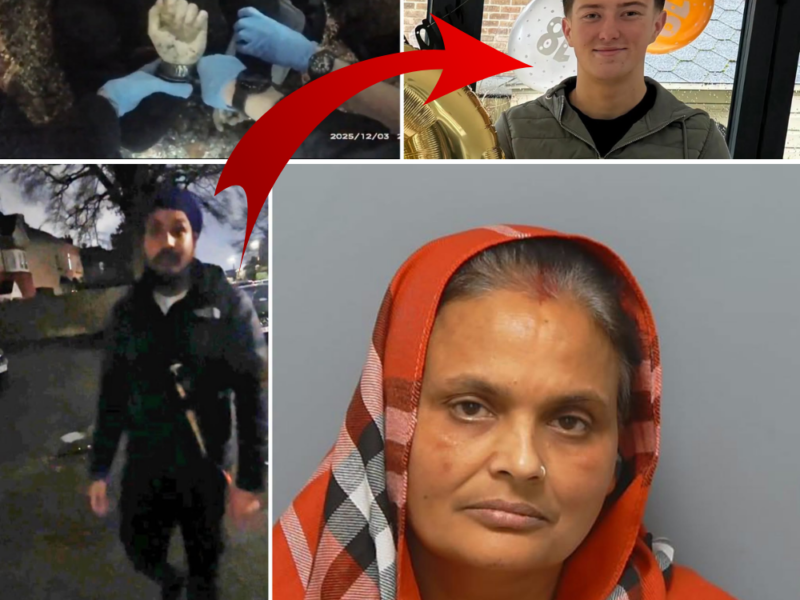
VILE killer Vickrum Digwa and his mother were handed a combined £150,000 in taxpayer-funded Legal Aid – and the total will still soar even higher.
The revelation comes amid news the murderer has launched a shameless bid to appeal his conviction and reduce his sentence.
The brute, 23, was jailed for life for killing Henry Nowak last December in a case that horrified the nation and sparked accusations of “two-tier” policing.
Digwa, who lied to police that he’d been racially abused, was jailed for life, while his mother, Kiran Kaur, will be sentenced later this month for assisting an offender.
New figures obtained exclusively by The Sun reveal Digwa was given £79,621 in Legal Aid.
It included £1,100 for representation at Southampton police station, £137 to deal with a warrant of further detention and £78,300 for the weapons-mad maniac’s crown court trial. Of the trial funds, £66,000 was spent on solicitors and £12,800 on his barrister, Jeremy Wainwright KC.
Kaur’s legal bills cost £75,542, exclusively for her trial, with £65,000 spent on solicitors and £10,000 on barristers’ fees.
It takes the combined total they received to a huge £155,163.

The statistics were revealed after a Freedom of Information request by The Sun. Legal Aid is paid directly to lawyers, not defendants, and is available so that accused criminals can have a fair trial where they would otherwise be unable to pay.
But a source said: “It’s a smack in the face that Digwa gets this sort of funding behind him, potentially less than the payout Henry’s family could receive down the line.
“Henry’s family must be given the same privileges of a top KC for his inquest, and for any inquiry.
“How ironic would it be if an inquest into whether their boy was a victim of two-tier justice sparked another two-tier row?”
The figure could yet rise as lawyers finalise their cash claims from the trial.
A Ministry of Justice spokeswoman said: “This crime was abhorrent and our thoughts remain with Henry and his loved ones.
“Offenders do not receive a penny of this money. Payments are means-tested and sent directly to the solicitors and barristers who represent those facing trial.”

Digwa’s Appeal Bid
And Digwa will get thousands more in funding as the Court of Appeal will review his 21 year minimum term under the Unduly Lenient Sentence Scheme.
Solicitor General Ellie Reeves KC referred the case for review earlier this month, meaning Digwa’s sentence could be increased.
However, he and his lawyers will have the chance to argue against any change.
He is also attempting to gain permission to appeal his conviction, according to the Daily Mirror.
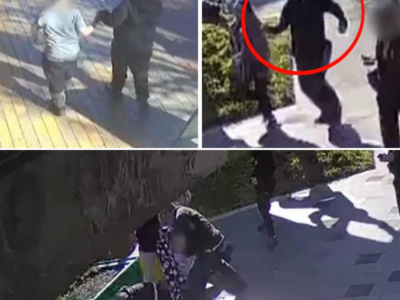
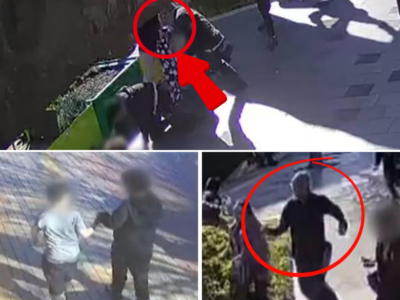
Henry, an 18-year-old student, was repeatedly stabbed in the street with a 21cm blade, which Digwa claimed he was carrying because of his Sikh faith.
Nowak was initially arrested and handcuffed by police during the incident on December 3.
Officers did not discover he had been stabbed for eight minutes.
In body-worn video, Henry, from Chafford Hundred, Essex, told officers that he had been stabbed and could not breathe.
But a PC replied: “I don’t think you have, mate.”

The Independent Office of Police Conduct is set to investigate two officers involved in the arrest for gross misconduct.
The Legal Aid Agency, which authorises grants, was asked to comment.
The Tragic Circumstances of Henry’s Death
Police did not believe the dying 18-year-old as he pleaded with them that he had been stabbed and couldn’t breathe.
They later realised the extent of his injuries and gave him CPR but Henry tragically died in police custody “alone, humiliated and handcuffed”.
Now, it is understood cowardly killer Digwa has applied to the Court of Appeal in a bid to reduce his sentence.
This means a judge will decide if he should get the chance to appeal his conviction.
Solicitor General Reeves had earlier raised concerns his sentence may have been “unduly lenient”.
She said: “No sentence can ever undo the devastation that Henry’s family have suffered, or fill the void left by his loss.
“But I hope this referral goes some way towards bringing them the justice they deserve.”
Hampshire Police is also currently being investigated by the IOPC, the police watchdog, over Henry’s arrest.
The application for appeal comes after The Sun revealed Digwa has been put in segregation because he fears being killed in prison like Ian Huntley.
He is reportedly too scared to go on to the wing where double child-murderer Huntley was fatally attacked this year.
A source said: “He is there because he is terrified and refused to locate to a wing.”

They added his segregation landing is “really grim”, adding: “Inmates are given a really small wind-up radio and you can read books and that’s about it.
“It is the sort of regime that will drive you mad.”
A shocking new video released last week showed Digwa lying to officers, falsely insisting Henry had “racially attacked” him.
He told police the student had “pushed my turban off myhead, started grabbing my hair” and called him a racial slur.
Body-worn camera footage from police show his wicked lies came as the teen lay dying of his injuries just metres away.
At no point in the video is Digwa handcuffed.
Police did not believe Henry’s pleas that he had been stabbed and couldn’t breathe until it was too late – he died that night.
Southampton Crown Court had heard Digwa accused Henry of making racist remarks in a “wicked lie” as cops arrived.
Previously released bodycam footage showed cops ignoring Harry’s tragic pleas for help and arresting him.
A shocking transcript released by Hampshire and Isle of Wight Police revealed cops took eight minutes to discover his fatal stab wound.
Earlier this week, it was revealed two cops who arrested Henry and ignored his dying pleas were being investigated for gross misconduct.
They are being probed over alleged failures to provide first aid and recognise Henry required urgent medical attention.
One of the officers is also being probed for dismissing the teenager’s claim that he had been stabbed.
The watchdog will also look at whether race or religion played a part in the officers’ decision making.
The release of the footage caused widespread outrage in the country at Henry’s treatment at the hands of police.
Sir Keir Starmer said he “felt sick” watching the bodycam footage. He added there were “serious questions” for police to answer, including how “accusations of racism” swayed the cops’ decisions.
Some 23 people have been charged following vicious clashes with riot cops at a protest in Southampton over Henry’s murder.
The Legal Aid Controversy
The substantial Legal Aid funding provided to Vickrum Digwa and his mother has sparked outrage and debate about the justice system. The combined total of £155,163 for their legal representation has raised questions about the allocation of taxpayer money in high-profile cases. Legal Aid is intended to ensure fair trials for those who cannot afford representation, but critics argue that the scale of funding in this case is disproportionate given the nature of the crime.

The figures include significant amounts for solicitors and barristers during the crown court trial, highlighting the complexity and length of the proceedings. The ongoing appeals process will likely add further costs to the taxpayer as Digwa challenges his conviction and sentence. The situation has prompted calls for greater scrutiny of how Legal Aid is allocated in serious criminal cases.
The Police Investigation and Public Outrage
The circumstances surrounding Henry Nowak’s death have led to widespread public outrage and calls for accountability. The decision by police to handcuff the dying teenager and their initial failure to recognise his stab wounds have raised serious questions about the response at the scene. The Independent Office for Police Conduct’s investigation into the officers involved reflects the seriousness of the alleged failures.
The release of bodycam footage showing Henry’s pleas for help being dismissed sparked national anger and accusations of “two-tier” policing. Prime Minister Sir Keir Starmer’s reaction to the footage highlighted the broader concerns about how the case was handled. The public response has kept the case in the spotlight and maintained pressure for answers.
The Family’s Fight for Justice
Henry Nowak’s family continues to seek justice and answers about the circumstances of his death. The ongoing legal proceedings and investigations provide some hope for accountability, but the emotional toll on the family remains significant. Their determination to ensure that Henry’s death leads to meaningful changes demonstrates their strength in the face of tragedy.
The case has highlighted important issues about youth violence, knife crime, and police procedures. The family’s courage in facing the legal process while dealing with their loss has been noted by many who have followed the case. Their continued calls for justice show their commitment to ensuring that similar tragedies are prevented in the future.
The Broader Implications

The case of Henry Nowak has raised important questions about youth violence and the justice system. The false claims made by Digwa and the response by police have highlighted issues around false allegations and their impact on victims. The investigation into police conduct has drawn attention to the importance of proper training and procedures for officers dealing with emergency situations.
The substantial Legal Aid funding provided to Digwa and his mother has prompted debate about the balance between ensuring fair trials and public perception of justice. The case serves as a reminder of the complexities involved in the justice system and the need for transparency and accountability. The ongoing appeals process and investigations reflect the system’s attempt to address these issues while providing justice for Henry’s family.
Looking Ahead
As the Court of Appeal considers Digwa’s application and the Solicitor General’s referral, the coming months will be crucial in determining the final outcome of the case. The decisions made will have significant implications for Henry’s family and the wider community. The case continues to highlight important issues about youth violence, police procedures, and the justice system that need to be addressed.
The tragedy of Henry Nowak’s death serves as a reminder of the devastating impact of knife crime on families and communities. The ongoing legal proceedings and investigations reflect the system’s attempt to provide justice and learn from the circumstances of his death. As the case progresses, the focus remains on ensuring accountability and preventing similar tragedies in the future.