Chicago’s Drill Scene Rocked Again: Co-Defendants Face Judgment as New Details Emerge in Lil Jeff Investigation
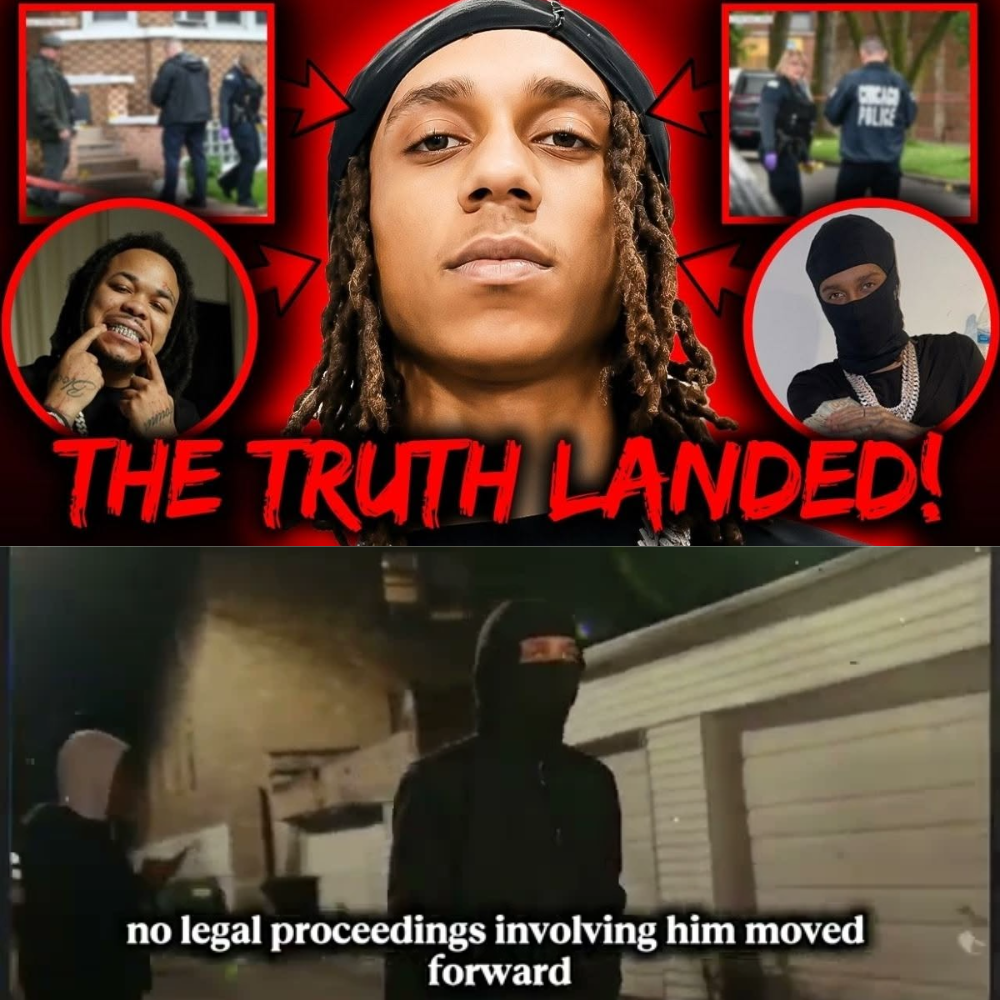
In a saga that has captivated Chicago for two years, the story of Lil Jeff—born Jeffrey Lamar Harris Jr.—has taken another dramatic turn. Known for his raw energy and powerful storytelling, Lil Jeff emerged from the South Side, quickly becoming a significant name in the drill rap scene. However, his journey came to a tragic halt on June 8, 2024, and the aftermath continues to ripple through the city’s streets and courtrooms, as new legal developments unfold regarding the events leading up to his untimely death.
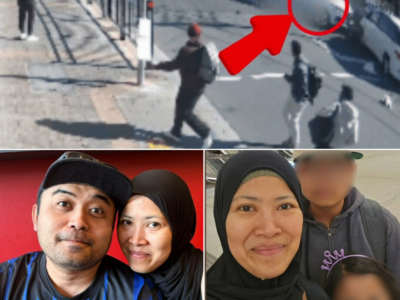
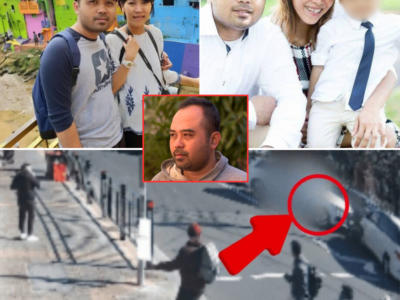
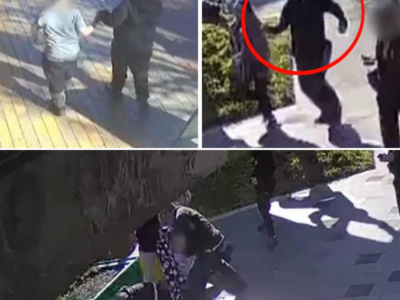
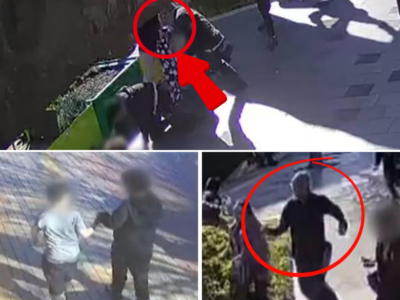
The narrative has been punctuated by serious criminal allegations tied to Lil Jeff and the Blood Hound Collective, the group he was associated with. On January 26, 2024, in an incident that shocked the city, two teenagers—17-year-old Montio Williams and 16-year-old Robert Boston—were fatally shot in broad daylight near a busy CTA station in the Loop. Their deaths were linked to ongoing rivalries between groups in Chicago’s complex drill music culture, with tensions reportedly escalating over personal disputes, including disagreements over jewelry.
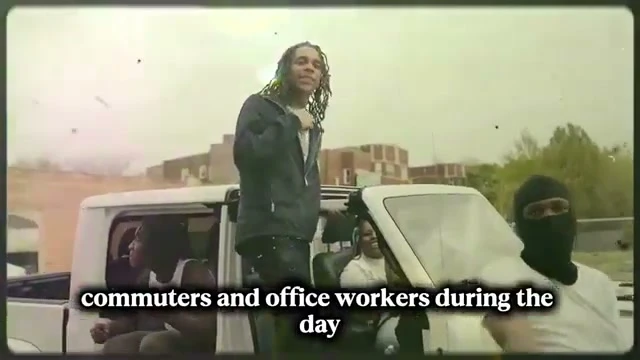
Witnesses reported that a dark blue stolen SUV was involved, with masked gunmen emerging to execute a coordinated attack in front of numerous onlookers. This brazen act not only drew immediate media attention but also sparked a wave of discussions online about the implications of such violence in a public space. Investigators quickly zeroed in on a timeline that included social media activity and surveillance footage, leading them to suspect that Lil Jeff played a role in the events leading up to the shooting. However, the shocking twist came months later when a third individual linked to the case passed away—speculated to be Lil Jeff himself, who had previously been connected to the scene.
In the wake of his death, the legal system continued to unravel the complexities surrounding the case. The focus shifted to Tommy Coleman, a 22-year-old charged with multiple serious offenses related to the double homicide. His arrest marked the beginning of a series of legal proceedings that would keep the case alive in public discourse. Coleman, who had a history of felony convictions, was described by the judge as a “real and present threat to the community,” highlighting the gravity of the situation.
Another significant figure in this ongoing saga is James Allison, a 20-year-old who attended the same high school as the victims. His arrest early in 2025 brought further scrutiny, with evidence suggesting he was present during the events of that fateful day. Investigators utilized extensive evidence, including phone records and surveillance footage, to build a case against him and Coleman, while the specter of Lil Jeff loomed large over the proceedings.

As the courtroom drama unfolds, conversations about the impact of Lil Jeff’s life and music continue to spark debate across Chicago. His lyrics often reflected the harsh realities of street life, resonating with fans who saw him as a voice of their generation. Yet, the same boldness that earned him acclaim also placed him at the center of controversy—his online presence and public persona became intertwined with the violent narratives of drill music, complicating the legacy he left behind.
While the legal battles rage on, the families of Montio Williams and Robert Boston continue to seek justice, grappling with their loss amid the public spectacle. The unfolding drama serves as a stark reminder of the real-life consequences tied to the music and the culture it represents. As Chicago reflects on this complex tapestry of tragedy, ambition, and rivalry, the story of Lil Jeff remains a poignant chapter within the ever-evolving narrative of the city’s drill scene.
What do you think will happen next in this unfolding legal saga? Will the families find the closure they seek? Let us know your thoughts!