🚨 JUST 17 DAYS AFTER SHARING HER PREGNANCY NEWS — 5-MONTHS-PREGNANT WOMAN ALLEGEDLY KI-LLED BY BOYFRIEND IN BATON ROUGE…
Averia Arceneaux’s Death Sparks Questions About Domestic Violence System Failures in Louisiana
The tragic death of 33-year-old Averia Arceneaux has sent shockwaves through Baton Rouge, Louisiana, leaving a grieving community searching for answers and renewing concerns about the challenges victims face when trying to escape abusive relationships.
Arceneaux, who was five months pregnant with her first child, was allegedly killed by her boyfriend, Johvon McKinley, on May 27, 2026. The devastating incident occurred just 17 days after she publicly shared the joyful news that she was expecting a baby.
Friends and family say Averia was excited about becoming a mother and had been looking forward to the next chapter of her life. Instead, both she and her unborn child lost their lives in a case that has become a painful reminder of the dangers of domestic violence.
As investigators continue examining the circumstances surrounding the homicide, court records have revealed a troubling history that many believe should have triggered stronger intervention long before the tragedy occurred.
According to legal documents, McKinley had a documented history of violence involving pregnant women dating back nearly a decade. Records reportedly show incidents occurring between 2016 and 2024, raising questions about how an individual with such a history remained free despite multiple encounters with the justice system.
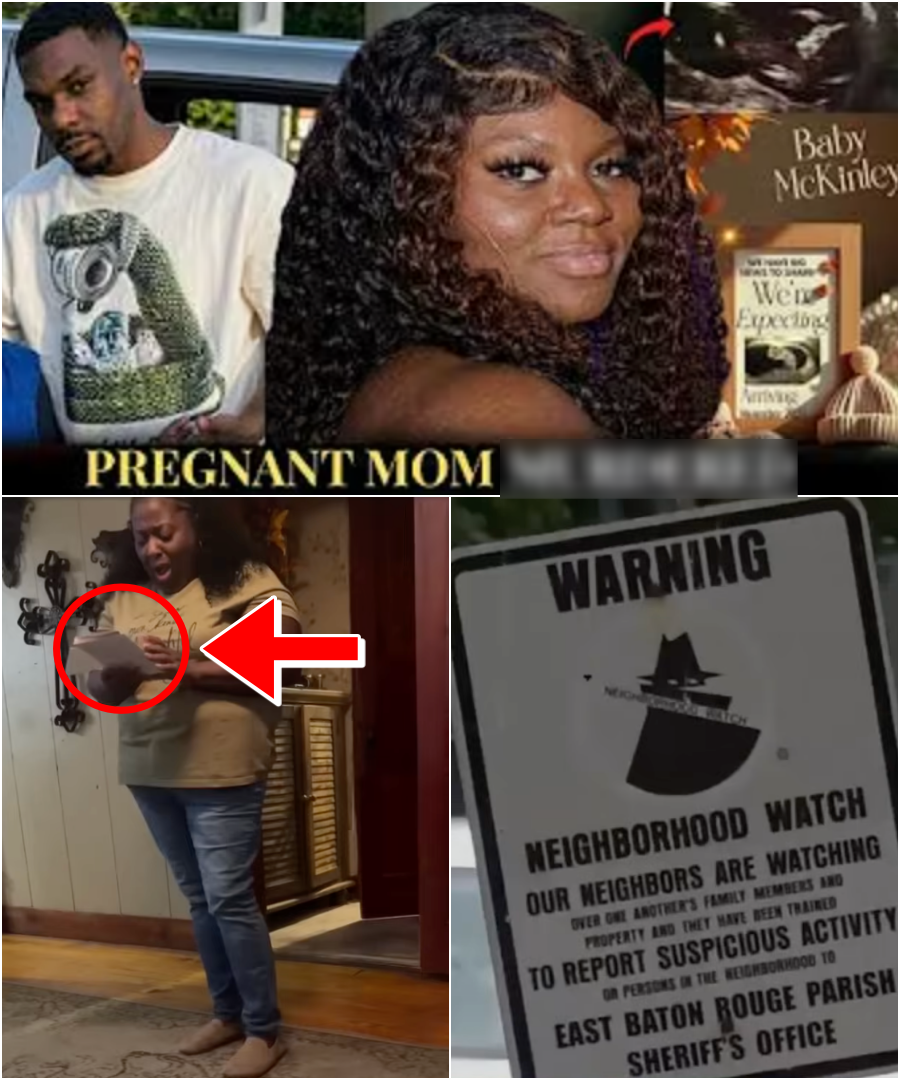
Particular attention has focused on an incident involving Arceneaux herself in July 2024. Authorities allegedly arrested McKinley following a domestic violence complaint, and a protective order was put in place.
However, the case did not move forward as many expected.
Court records indicate that the charges were eventually dismissed, and the protective order was later lifted after being withdrawn at the request of the victim.
Advocates say this pattern is common in abusive relationships, where victims often face emotional pressure, fear, financial dependence, or hopes that their partner will change.
Domestic violence experts argue that the legal system frequently struggles to balance a victim’s wishes with the need to protect individuals who may remain at serious risk.
For many observers, the Arceneaux case highlights what they describe as a critical weakness in how domestic abuse cases are handled.
While protective orders and criminal charges are intended to provide safeguards, critics argue that victims are often left vulnerable when cases are dismissed or when support systems fail to address the deeper dynamics of abusive relationships.
The tragedy has been especially painful for those who knew Averia personally.
Friends describe her as energetic, compassionate, and full of life. Family members say she was thrilled about becoming a mother and had spent months preparing for the arrival of her child.
Many have spoken publicly about the profound loss felt not only by relatives but also by an entire community that watched her future disappear in an instant.
The deaths have also reignited broader discussions about domestic violence as a public health crisis rather than simply a private family matter.
Advocates stress that domestic abuse affects millions of individuals across the United States and often escalates over time if intervention is not successful.
Research consistently shows that pregnancy can be a particularly dangerous period for victims of intimate partner violence, with some abusers becoming increasingly controlling or violent during that stage of a relationship.
In the aftermath of Arceneaux’s death, community leaders and domestic violence organizations are urging people to take warning signs seriously and seek help when abuse is suspected.
Supporters hope the case will encourage more conversations about prevention, victim support, and the importance of recognizing patterns of coercion and violence before they turn deadly.
As Baton Rouge mourns the loss of Averia Arceneaux and her unborn child, many are left asking the same painful question: could more have been done to prevent this tragedy?
For family and friends, that question may never be fully answered. What remains is the memory of a woman who was preparing to welcome new life into the world and whose future was cut tragically short.
Advocates continue encouraging anyone experiencing domestic violence or concerned about a loved one to seek assistance through local support services or the National Domestic Violence Hotline at 1-800-799-7233.