A Stormy Homecoming: Harry’s Bitter Lesson Before the British Monarchy
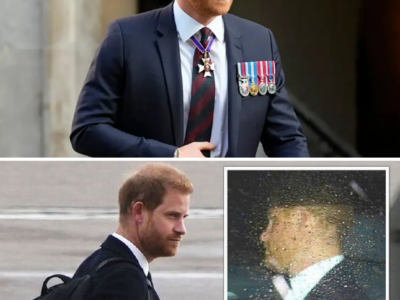
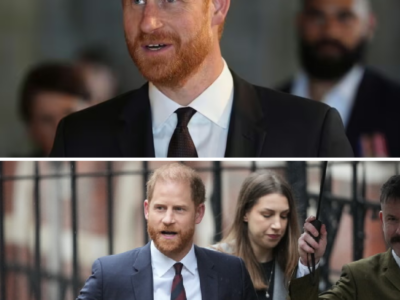
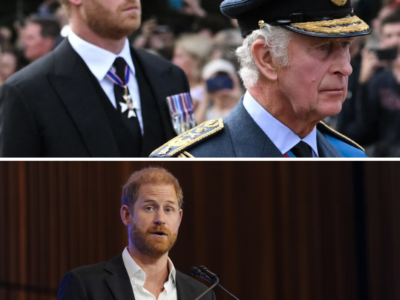
Prince Harry’s impending return to the United Kingdom is currently generating headlines not for his philanthropic endeavors, but for a chaotic flurry of logistics and conflicting reports. This event once again underscores the profound divide in generation and philosophy regarding crisis management between the Prince and the institution of which he was once a central figure.
The Power of Institutional Silence
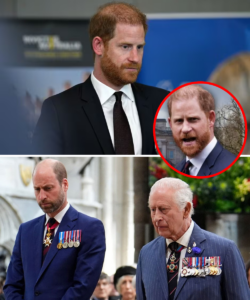
The crux of this strained relationship lies in a stark divergence in reactive strategies. While the Sussex camp opts to publicize every development—from security disputes to travel plans—with alarming speed, Buckingham Palace maintains its signature silence. This is not a sign of weakness, but a sophisticated exercise in image control.
When an ancient institution chooses not to engage in petty bickering, that silence acts as a declaration of authority. In the eyes of the public, refusing to participate in a “tit-for-tat” battle does not tarnish the Royal image; instead, it reinforces the contrast between the stability of the institution and the ephemeral noise generated from the outside.
The Achilles’ Heel of the Sussex Camp
The tendency to rely on defensive statements and rapid-fire retaliation inadvertently overshadows the tangible achievements Harry seeks to highlight, such as the success of the Invictus Games. Instead of centering the conversation on positive impacts, public discourse is consumed by a whirlwind of “who said what.” When personal demands—however valid they may be regarding security—are constantly aired under the spotlight of the media, they create the impression of impatience and volatility.
A public figure often loses influence when prioritizing the rebuttal of criticism over letting tangible actions speak for themselves. This approach makes the rift between Harry and the Royal Family appear less like a matter of principle and more like a series of mundane personal arguments. This inadvertently undermines the Prince’s long-term efforts to redefine his individual identity beyond his former Royal duties.
The Tragedy of Narrative Control
The greatest irony in this saga is that the effort to maintain control over one’s own narrative is leading the protagonist to become increasingly lost. Buckingham Palace has not collapsed under the weight of criticism, while Prince Harry finds himself spiraling into a cycle of explanation rather than action. When an individual’s identity becomes tethered to family conflict, the value of their societal contributions—no matter how significant—risks being eclipsed by the surrounding din.
This return to the UK acts as a critical stress test for Harry’s ability to navigate a media landscape that no longer offers him unconditional favor. If the strategy remains one of “tit-for-tat” reactions, the boundary between public understanding and public exhaustion will become increasingly thin. In this high-stakes game, the silence of the Royal Family serves as a tactical move to which Harry—despite years of effort—has yet to find a coherent answer.
The future of this relationship does not lie in which side issues more press releases, but in the capacity to stop before personal identity is reduced to fragmented pieces in an interminable, public drama.
SOURCE: DAILY EXPRESS
https://www.express.co.uk/news/royal/2225810/prince-harry-royal-family-latest