The 32-year-old mother presented herself at the police station, and the events that followed were beyond anyone’s worst nightmare
The death of a four-year-old boy in a Wyong apartment, following the arrest of his 32-year-old mother on domestic violence-related murder charges, has once again sounded a grim alarm regarding the fragility of children who fall outside the reach of society’s protection. The description of the crime scene as “extremely confronting” by seasoned investigators reflects not only the severity of the act but also serves as an indictment of the systemic failures within current child protection frameworks.
The Failure of Delayed Alarms
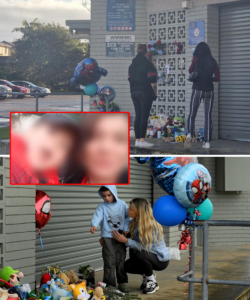
It is a deeply troubling detail that the mother involved was already known to local authorities. This fact lies at the heart of both public outrage and collective grief. When a family is already on the radar of protective agencies, yet a tragedy of this magnitude still occurs, it exposes a catastrophic disconnect between theoretical protection protocols and the reality of community-level implementation.
The failure to prevent this act suggests a rigidity in bureaucratic thinking. Instead of prioritizing proactive prevention, social systems often appear trapped in a reactive cycle, responding only after a point of no return. Fragmented communication between relevant agencies frequently causes warning signals to be overlooked or dismissed until events spiral beyond control. This is not an isolated incident, but a chronic pathology within social support systems globally, where administrative hurdles inadvertently become walls that prevent aid from reaching young victims.
Responsibility Beyond the Courtroom
While the accused mother remains in custody awaiting a court appearance this September, a legal conviction only addresses the punitive aspect of the crime. The fundamental question raised by the Wyong tragedy is not just about the severity of the sentence, but whether the boy’s death was a preventable outcome had social institutions functioned with greater efficacy.
The independent review pledged by NSW Families Minister Kate Washington is a necessary step, yet it arrives with a somber backdrop. Skepticism remains as to whether a formal inquiry can truly overhaul a system entrenched in outdated habits. The bitter truth is that in far too many cases involving children, the “safety net” proves too porous to protect the most vulnerable. Children, the members of society least capable of defending themselves, are frequently trapped behind closed doors where community surveillance is stifled by privacy concerns and impractical regulations.
From Tragedy to Systemic Reform
The Wyong case serves as a harrowing reminder that safety for children cannot be left to chance. When government agencies only launch investigations after a tragedy has unfolded, the cost is measured in a life lost. Eliminating these “fatal gaps” in the system requires a drastic shift from “delayed intervention” to “proactive supervision.” Coordination between medical units, law enforcement, and family support services must evolve into a cohesive system where information is shared seamlessly and accountability is never shirked.
Every child lost to violence represents not just a family tragedy, but a total failure of the collective protective system. Unless the lessons from Wyong lead to fundamental, structural reform, such heart-wrenching events will remain a recurring, painful cycle in modern society. A safer future for children cannot be built on promises; it must be forged through tangible action that mends the cracks in our social safety net the moment they appear.
SOURCE: STREAMLINEFEED
https://streamlinefeed.co.ke/news/mother-charged-with-murder-after-boy-found-dead-in-wyong