The 89th-minute change: A last-minute U-turn on the Sussex family’s return to the U.K
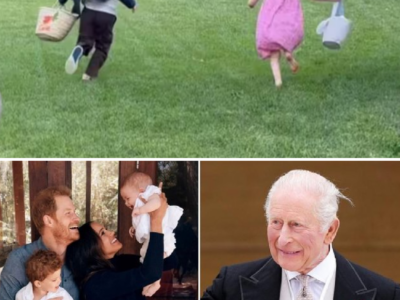
The prospect of Prince Harry and his immediate family returning to the United Kingdom this July—coinciding with the one-year countdown to the 2027 Invictus Games—has reignited intense public interest. Yet, what should be a straightforward familial visit is currently teetering on the edge of cancellation. The core obstacle is not an overcrowded schedule, but a persistent, unresolved issue: the lack of state-provided security for the Sussexes during their time on British soil.
The Tug-of-War Between Protective Rights and Political Pragmatism
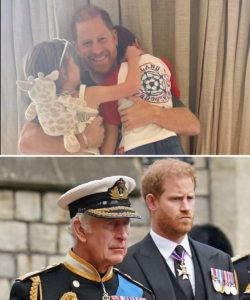
Characterizing Harry’s refusal to return without police protection as a mere “demand” ignores the reality of a father prioritizing his family’s safety over diplomatic nuances. For a royal figure—regardless of his departure from official duties—who remains a constant target of invasive media, the fear of his children being hounded by paparazzi is grounded in harsh reality rather than paranoia.
Beyond the personal, this standoff highlights a significant legal precedent. Harry’s unsuccessful legal challenge to retain taxpayer-funded security has effectively erected a barrier between him and his homeland. When state protection is stripped away, a visit is no longer simply a trip home; it becomes a complex calculation of risk and liability that remains unaddressed.
The Gulf Between “Royal Residence” and Genuine Reconciliation
While King Charles III has reportedly extended an offer of accommodation within a royal residence, the absence of a robust security guarantee renders this gesture largely symbolic. The growing estrangement between Prince Archie, Princess Lilibet, and their grandfather is an undeniable loss. Given that the King has reportedly met Lilibet only once since 2022, the current situation underscores a sobering reality: interpersonal conflicts between older generations are inevitably creating a vacuum for the younger one.
This impasse reflects a modern royal paradox: while the public craves imagery of familial unity, the rigid constraints of protocol, budget, and security protocols are calcifying the divide. Harry is caught in a profound dilemma, balancing his personal stance and commitment to his family’s safety against a longing to introduce his children to his roots. Without a compromise on security, these return trips risk remaining nothing more than speculative plans, leaving the prospect of a true reunion increasingly remote.
The Long-Term Costs of a Sustained Fracture
The absence of consistent visitation does more than weaken blood ties; it transforms events like the Invictus Games into focal points of media tension rather than celebrations of the humanitarian values Harry champions. When the prerequisite of physical safety becomes the insurmountable obstacle to returning home, it serves as a stark indicator that the relationship between the Sussexes and the rest of the Royal Family is mired in deep-seated mistrust.
Ultimately, whether or not a reunion occurs, this saga serves as a bellwether for the future of a monarchy struggling to redefine its relevance. When security concerns are inextricably entangled with politics, the path to healing fractures within the family becomes exponentially more arduous. While physical security can be quantified by the number of protection officers, the security of familial relationships requires far more—it demands goodwill and compromises that both sides appear, for now, extremely hesitant to offer.
SOURCE: PEOPLE
https://people.com/prince-harry-fears-prince-archie-princess-lilibet-wont-see-king-charles-amid-security-concerns-12008184