What Sparked a De-a-dly Chicago Attack Over Fake Jewelry? New Digital Clues Leave Investigators Stunned
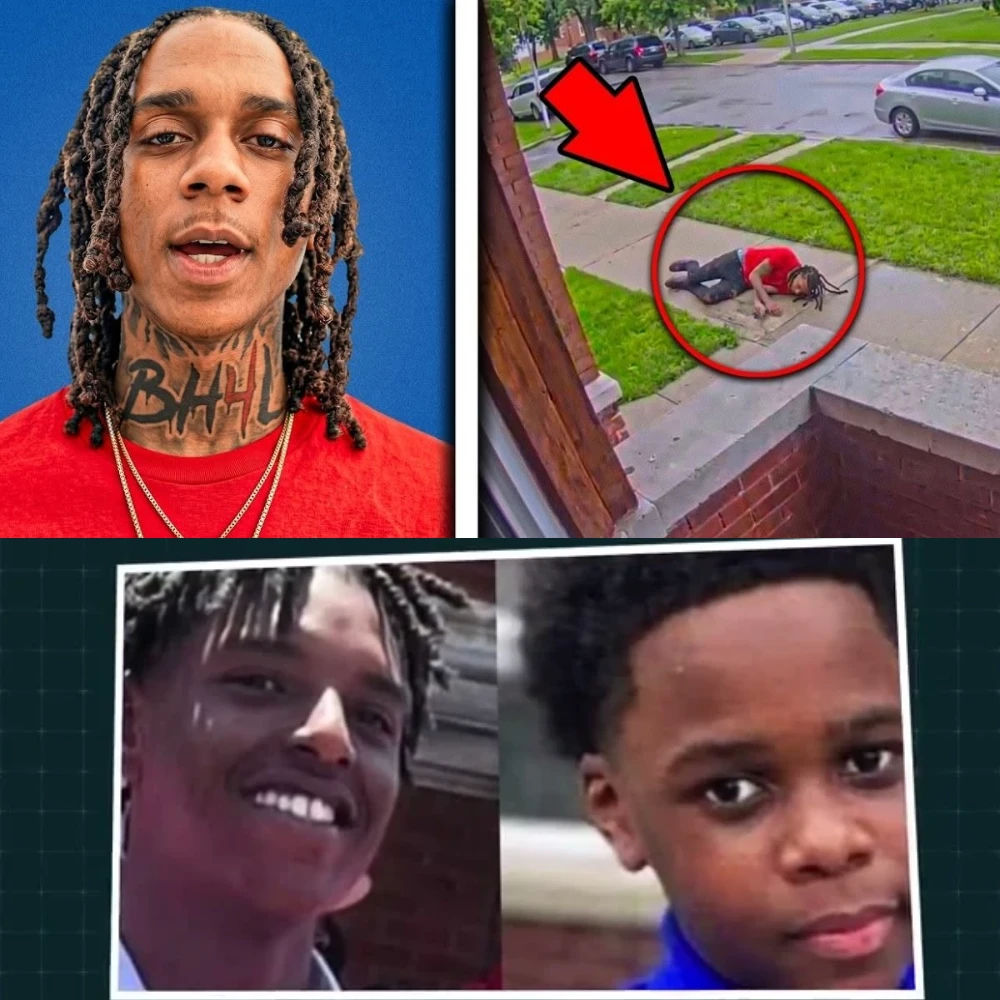
It’s been two years since the streets of Chicago were rocked by the tragic death of one of its most notorious drill rappers, Blood Hound Lil Jeff, born Jeffrey Lamar Harris Jr. The dramatic events surrounding his life and untimely demise continue to unfold as the legal system finally catches up with the chaos that surrounded him. The murders that Lil Jeff allegedly had a hand in are now being addressed, and the individuals who were with him on that fateful day are facing justice.
On June 8, 2024, Lil Jeff was shot 19 times, a violent end to a life steeped in controversy and infamy. He was not just a musician; he was a bold figure in the Chicago drill scene, known for his unapologetic lyrics and social media bravado. The streets had been buzzing since 2023, and now the wheels of justice are turning, albeit slowly.
Jeff’s rise to notoriety was anything but ordinary. He was deeply embedded in the Blood Hound Collective, a crew that made waves in the 79th Street area. By the time he gained notoriety, he was rumored to have an astonishing 11 bodies to his name—claims he never shied away from. He called himself the “bloody reaper,” and his lyrics often blurred the lines between storytelling and confession, showcasing real-life situations that gripped the community.
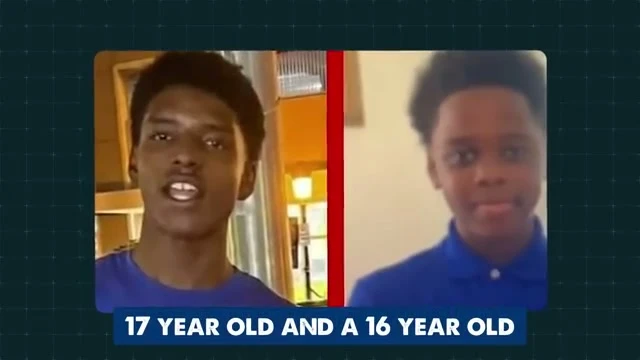
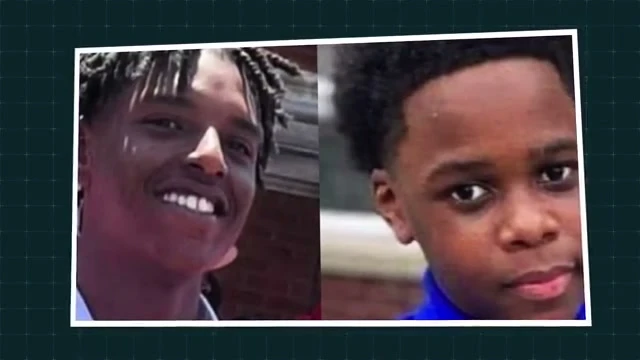
But it was the double murder of two young men, 17-year-old Montio Williams and 16-year-old Robert Boston, that marked a turning point in his narrative. On January 26, 2024, in broad daylight near a CTA station in Chicago’s Loop, the two friends were ambushed during their lunch break. A stolen SUV pulled up, and masked gunmen unleashed a hail of bullets, killing the boys and injuring a bystander. This shocking event was not just a random act of violence; it stemmed from a brewing rivalry between their crew and Lil Jeff’s faction over something as trivial as jewelry—allegedly fake watches.
As the investigation unfolded, it became clear that the police had a wealth of evidence to work with, including surveillance footage and social media posts. The authorities quickly identified Tommy Coleman, 22, and James Allison, 20, as accomplices in the shooting. Coleman was arrested nearly a year later, facing multiple charges including first-degree murder. In a chilling twist, one of the victim’s mothers provided police with videos showcasing the suspects celebrating their actions online, all while Lil Jeff was believed to be the third gunman involved, though he was already deceased.
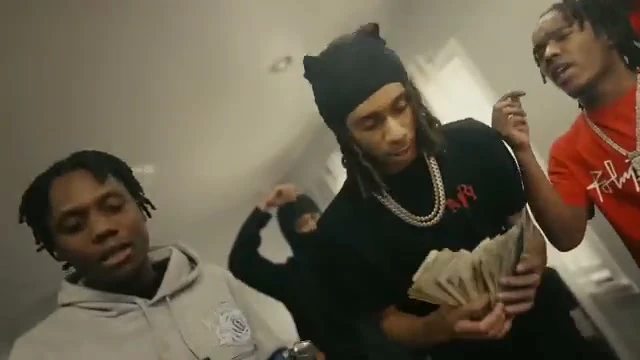
The aftermath of these events revealed just how intertwined Lil Jeff’s life and his art had become. His brash trolling on social media, particularly after the murder of a rival, Jalil Goins, aka Trap City Leo, only escalated the violence. Lil Jeff didn’t just reference the killings in his music; he acted them out on camera, demonstrating a chilling bravado that would ultimately lead to his own demise. On June 8, in a retaliatory ambush, Lil Jeff was killed in a hail of bullets, echoing the very violence he had perpetuated through his music.
Two years later, Coleman and Allison await their day in court, each facing severe consequences for their roles in the tragic murders of two young lives. The evidence against them is significant, with prosecutors armed with a digital trail of incriminating evidence. Meanwhile, the Blood Hound Collective continues to navigate the complexities of their legacy, mourning their fallen leader while trying to reclaim their narrative in the Chicago drill scene.
As this saga evolves, it raises profound questions about the nature of justice, the impact of social media, and the price of a life lived in the spotlight of violence and bravado. The families of Montio and Lil Rob still seek closure, while the legacy of Lil Jeff remains a stark reminder of the brutal reality that many face in this world. The streets may have their stories, but they come at an unimaginable cost. How this tale of ambition, betrayal, and tragedy unfolds will resonate for years to come. What are your thoughts on this unfolding drama?