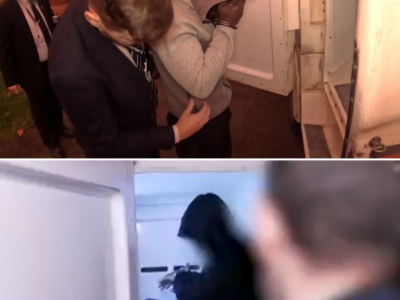
16 children rescued from squalid conditions so severe that police remarked their livestock were better cared for
The recent rescue of 16 children from a dilapidated home in Hamden, Ohio, is more than a criminal case; it serves as a stark wake-up call regarding the systemic gaps in social oversight within rural communities. The discovery occurred when authorities, acting on an unrelated warrant, found the children—ranging from 1.5 to 18 years old—living in squalor, surrounded by human waste and confined to a cramped, single room.
Erased from the System
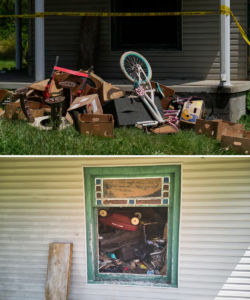
The most harrowing aspect of this case is not merely the deplorable physical condition of the victims—where Sheriff Ryan Cain noted that “most of our livestock was kept in better conditions than the children”—but their complete absence from official records. The fact that 16 human beings went entirely unregistered, never attended school, and remained “invisible” to neighbors for years raises a disturbing question: How can a family maintain the existence of 16 children while leaving absolutely no footprint in modern society?
The family’s ability to remain hidden, as described by Attorney General Andy Wilson, was essentially a product of their total isolation from educational and welfare institutions. When access to education is denied, children are systematically stripped of their developmental milestones, leading to heart-wrenching outcomes, such as an 18-year-old who cannot even write her own name. This transcends mere individual abuse; it is a fundamental violation of the basic human right to exist and develop within a community.
The Fallout of Isolation and the “Quiet” Façade
In many rural settings, often perceived as “quiet neighborhoods,” privacy can inadvertently become a shield for domestic tragedy. The fact that neighbors living only a few houses away remained unaware of the children’s existence highlights a fracture in community connectivity. In a contemporary society where information is increasingly digitized, it is a paradox that an entire family could live completely detached from the world; yet, this tragedy unfolded in the heart of a developed nation.
The decision to charge the four adults with second-degree felony child endangerment is a necessary legal response. However, a $300,000 bond or even future prison sentences cannot retroactively mend the psychological trauma or the arrested development suffered by these 16 children. The description of the children as looking “almost feral” will remain a permanent scar, not just for the victims, but as a collective failure of a system that allowed them to be forgotten for so long.
A Wake-up Call for Communities
This discovery echoes past horrors, such as the Turpin case in 2019. These events serve as grim reminders that domestic abuse is never solely a private family matter. It is a shared responsibility of the community to observe, listen, and speak out when warning signs emerge. No child should ever be tucked away behind locked doors, stripped of their identity. Justice for these victims extends beyond convicting the perpetrators; it requires the construction of an early-warning system where the “invisibility” of any individual triggers immediate protection and advocacy from the law.
SOURCE: LOCAL10.COM
https://www.local10.com/news/2026/07/01/16-children-rescued-from-ohio-home-were-almost-feral-authorities-say/