Australia’s prime minister has told the U.K. prime minister that his government would back plans to remove Andrew from the line of succession
:max_bytes(150000):strip_icc():focal(999x0:1001x2):format(webp)/prince-andrew-04f3ea4a054a43a0913a0766199227ce.jpg)
The former Prince Andrew in March 2024.Credit : JUSTIN TALLIS/AFP/Getty
The former Prince Andrew retained his place in the line of succession to the throne despite King Charles recently stripping his brother’s royal titles and honors. However, after his arrest, there are increasing calls for Andrew to lose his spot.
Days after Andrew’s arrest on Feb. 19 on suspicion of misconduct in public office, the BBC reported that the government is considering introducing legislation to remove Queen Elizabeth’s second son from the line of royal succession, preventing him from ever becoming monarch.
On Monday, Feb. 23, Australia’s Prime Minister Anthony Albanese expressed support for removing the former Duke of York, now known as Andrew Mountbatten-Windsor, from the line of succession.
In a letter to U.K. Prime Minister Keir Starmer, Albanese said, “In light of recent events concerning Andrew Mountbatten-Windsor, I am writing to confirm that my government would agree to any proposal to remove him from the line of royal succession,” per the BBC.
“I agree with His Majesty that the law must now take its full course and there must be a full, fair and proper investigation,” he continued, referencing the King’s statement following Andrew’s arrest. “These are grave allegations, and Australians take them seriously.”
:max_bytes(150000):strip_icc():focal(749x0:751x2):format(webp)/king-charles-III-anthony-albanese-parliament-house-102124-1-c7d9aae66fb14c12a6abe8866f9ec760.jpg)
King Charles and Prime Minister Anthony Albanese on Oct. 21, 2024.Saeed Khan-Pool/Getty
As the second son of Queen Elizabeth, Andrew was second in the line of succession upon his birth, just behind his older brother, Charles. As Charles had children and grandchildren, Andrew was pushed down in the order. He currently remains in the eighth spot behind Prince Harry’s two young children, Prince Archie and Princess Lilibet.
To remove Andrew from the line of succession, it would require an Act of Parliament as well as the consent of the Commonwealth realms where King Charles is monarch.
While rare, it’s not unprecedented to remove someone from the line of succession. King Edward VIII lost his place in the line of succession when he abdicated the throne in 1936.
More recently, Prince Michael of Kent, a cousin of Queen Elizabeth’s, was removed from the line of succession when he married a Catholic in 1978, due to the Act of Settlement of 1701. However, Prince Michael was reinstated with the Succession to the Crown Act in 2013.
Andrew stepped back from his public royal role in 2019 following a BBC interview in which he discussed his relationship with convicted sex offender Jeffrey Epstein. Queen Elizabeth later stripped her son of his military titles and patronages in January 2022, after a judge rejected his attempt to have Virginia Giuffre’s sexual assault lawsuit against him dismissed. He settled with Giuffre out of court for an undisclosed sum.
Criticism surrounding Andrew intensified in recent months amid newly unveiled email exchanges with Epstein and the posthumous memoir of Giuffre, who died by suicide in April at 41. In the book, she wrote that Andrew “believed having sex with me was his birthright,” describing three occasions Epstein allegedly arranged for her to meet him beginning at age 17.
Andrew has repeatedly denied any wrongdoing.
King Charles’ younger brother was arrested on Feb. 19, his 66th birthday, on suspicion of misconduct in public office. The former Duke of York was arrested at the home where he is currently staying on the royal family’s Sandringham estate.
Police are investigating Andrew over an allegation that he shared confidential information with Epstein while acting as a trade envoy for the U.K., a position he held from 2001 to 2011.
News
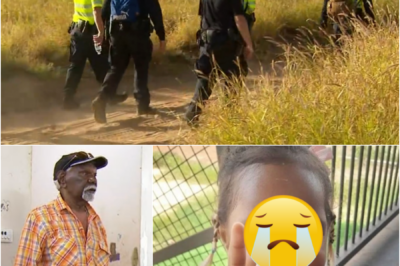
GRIEVING AND REMEMBERING… — FAMILY OF Sharon Granites SPEAKS OUT AFTER TRAG-EDY THAT HAS LEFT MANY HEARTBROKEN
WARNING: Aboriginal and Torres Strait Islander readers are advised this story contains the image of a person who is deceased….

DON’T DO ANYTHING RECKLESS… — Cleezy5 Was Reportedly Given a Friend’s Warning Before Fat-al Sh00ting in Baton Rouge
The Baton Rouge music scene is mourning after the sudden death of Cleezy5, also known as West Clark, who was…

CAUGHT ON CAMERA — FOOTAGE LINKED TO THE SUSPECT IN THE SH00TING THAT KI-LLED Cleezy5 IN Baton Rouge DRAWS ATTENTION
Image via @cleezy5 on Instagram According to the Baton Rouge Police Department, Cleezy5 was found dead outside of a a…
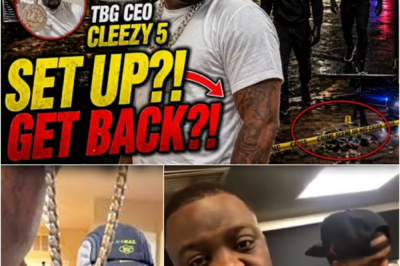
BREAKING NEWS — THE SUSPECT IN THE SH00TING THAT KI-LLED Cleezy5 IN Baton Rouge HAS BEEN IDENTIFIED
Image via @cleezy5 on Instagram According to the Baton Rouge Police Department, Cleezy5 was found dead outside of a a…
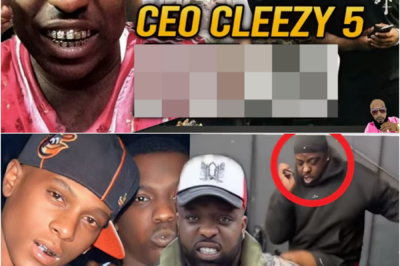
TARGETED ATT-A-CK — Cleezy5 BELIEVED TO HAVE BEEN TARGETED IN A SH00TING IN Baton Rouge
Image via @cleezy5 on Instagram According to the Baton Rouge Police Department, Cleezy5 was found dead outside of a a…

THE SWEET DETAIL IN MEGHAN MARKLE’S NEW VIDEO THAT HAS EVERYONE TALKING!
The Duchess of Sussex shared a glimpse into her California home, including her family’s chicken coop Meghan Markle in an…
End of content
No more pages to load