The Hamish Tait case: Sydney police have just released new evidence — parents who sent their children to these centers are on edge over this detail
The case involving Hamish Tait, a 35-year-old man accused of committing 329 acts of child abuse over a 16-year period, has created a powerful psychological tremor throughout the community. This is not merely a dry statistic in a judicial file, but evidence of a serious breakdown of trust within the childcare system. Having been present at 62 different centers from 2009 until his arrest in 2025, the scale of this case has posed unprecedented challenges for investigators in tracing the suspect’s history of operations.
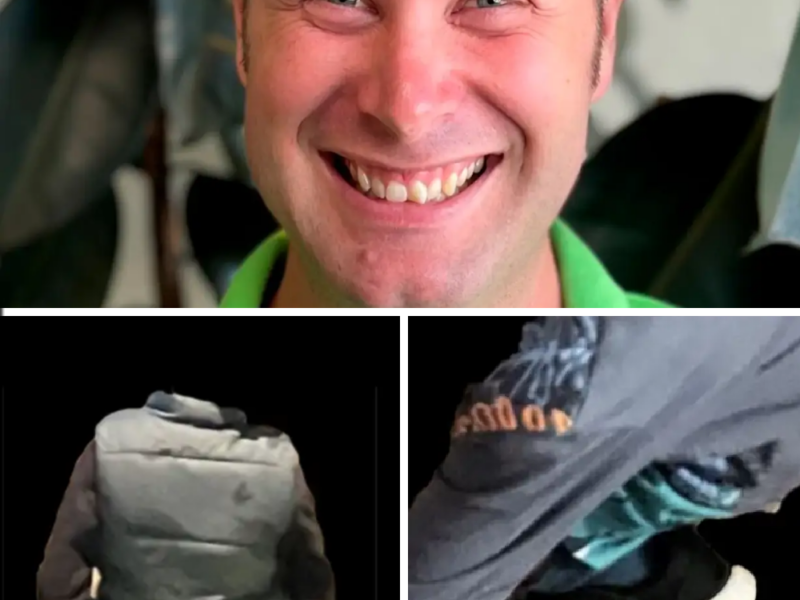
The Power of Reminiscent Evidence The police’s current strategy, through Operation Moonbi, relies not only on digital data but also taps into “community memory.” Releasing images of a dinosaur-patterned puffer vest, blue patterned shorts, and a two-tone t-shirt is a strategic move. From the perspective of investigative psychology, these familiar objects are often the most powerful catalysts for triggering memories, helping parents and caregivers link past events that they might have inadvertently overlooked.
This is a humanistic yet stressful approach. Using physical evidence to identify victims shows a maximum effort by authorities to close the painful chapter for the 16 remaining unidentified individuals. Instead of waiting for victims to come forward, the police are proactively offering “puzzle pieces” of memory so those around them can identify anomalies themselves.
The Consequences of a Long Duration Sixteen years is too long for any abuse case. The fact that an individual could move through over 60 facilities without being detected in time reveals serious gaps in the childcare monitoring and protection system that need to be reviewed seriously. Analysis from this case shows that when criminals hide under professional covers in educational institutions, the risk is immense because children are often victims least capable of resisting or describing incidents accurately.
The aftershocks of this case do not stop at the direct victims but extend to societal skepticism toward childcare services. Public participation at this time—through checking the clothing clues released by police—has become a necessary civic duty.
Responsibility and Transparency Establishing the Local Contact Point (LCP), which operates with extended hours until July 26, is not merely an information channel, but a space to alleviate anxiety. With over 300 calls received, community interest is immense, demonstrating that society is in great need of transparency and answers to long-standing questions.
Overall, the Hamish Tait case serves as a wake-up call for caution in recruitment and personnel management processes at childcare centers. Now that the suspect’s identity has been made public, the primary goal is not just criminal sentencing, but healing for the victims whose childhoods were stolen. Every piece of information, whether it is about a shirt or a small memory, plays an important role in completing the judicial picture, bringing the truth to light, and ensuring that the perpetrator is held strictly accountable.