
Hollywood relationships rarely implode quietly — but the recent controversy surrounding Jason Lee and Beyoncé has unfolded with a volume that few saw coming. What began as pointed commentary has quickly escalated into a full-blown online spectacle, dragging old clips, half-forgotten interviews, and long-dormant rumors back into the spotlight.
For years, Jason Lee positioned himself as a vocal supporter of Beyoncé, often praising her artistry and influence. That history is what makes the current fallout so jarring. His recent comments, delivered publicly and amplified across social media, struck many as accusatory, suggestive, and deliberately provocative — reigniting speculation that Beyoncé has carefully kept at arm’s length throughout her career.
What troubles many observers isn’t just what Lee appears to imply, but how he’s chosen to do it.
Rather than presenting clear allegations or verifiable claims, the controversy has unfolded through vague insinuations, public pressure, and a rolling drip of suggestive remarks designed to keep attention locked in. Critics argue this approach weaponizes curiosity while avoiding accountability — creating chaos without clarity.
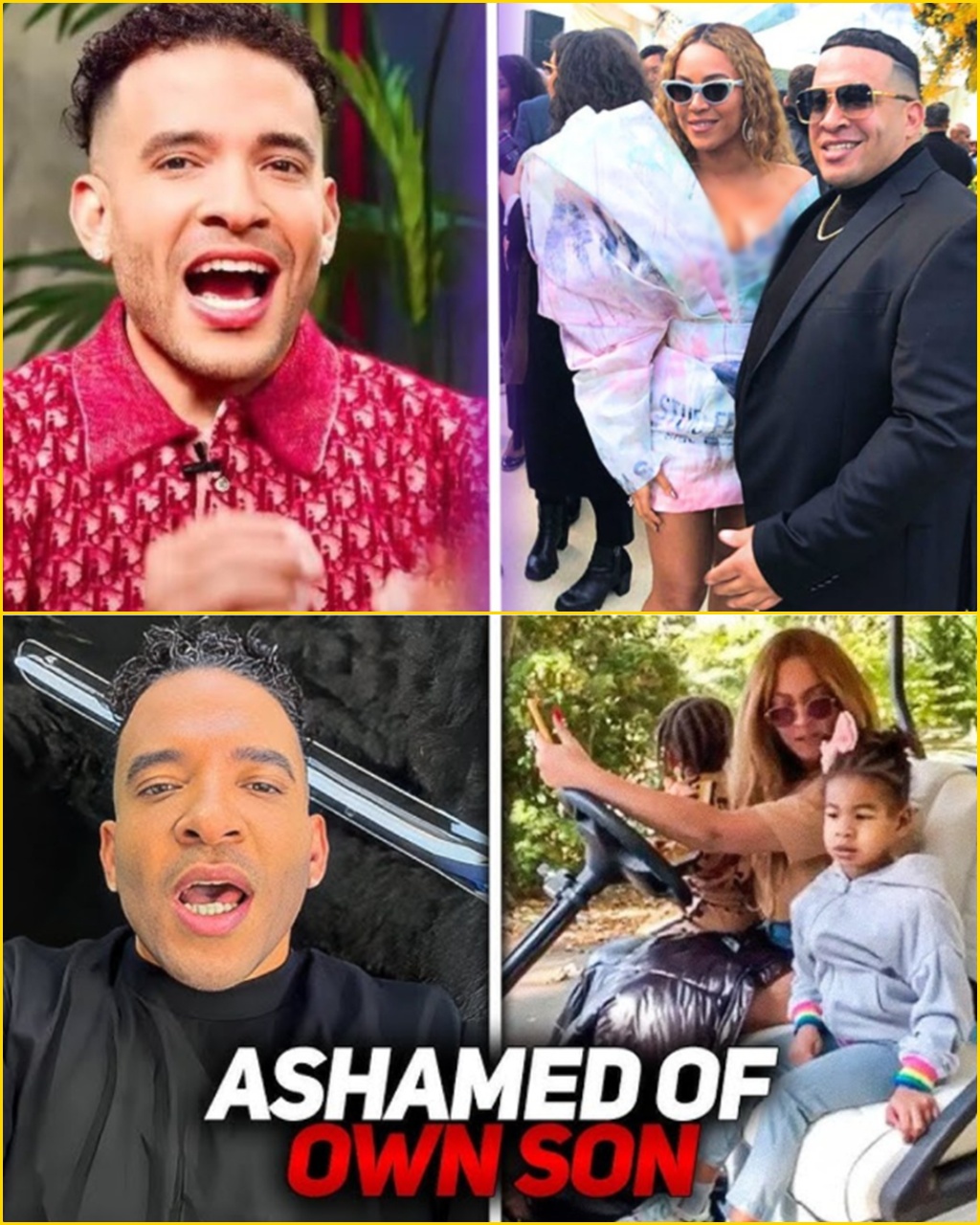
Beyoncé, for her part, has remained silent.
That silence is not new. Throughout her career, she has built a reputation for fierce control over her narrative, particularly when it comes to her personal life and family. Rare interviews, tightly managed public appearances, and an almost complete refusal to engage in online drama have long been hallmarks of her strategy.
Some fans believe that’s precisely why distance existed in the first place.
To them, the current controversy reinforces a pattern: Beyoncé stepping away from figures who thrive on spectacle, while others interpret her silence as calculated indifference. In an era where public figures are often expected to respond immediately, her refusal to engage can feel both powerful and polarizing.
Yet there’s another layer to the story — the role of the internet itself.
Social media has transformed disagreement into performance. Algorithms reward outrage, clips circulate without context, and speculation spreads faster than fact. In that environment, even ambiguous statements can snowball into perceived scandal, whether or not the underlying claims withstand scrutiny.
Some commentators argue that this controversy says less about Beyoncé and more about celebrity culture’s appetite for disruption. Turning a global icon into a trending topic guarantees clicks, engagement, and relevance — especially when framed as a betrayal narrative: the superfan turned enemy.
Others push back, warning against dismissing criticism simply because it’s messy or public. They argue that power dynamics in celebrity culture deserve examination — but that such conversations lose credibility when fueled by theatrics rather than evidence.
At its core, the Jason Lee–Beyoncé controversy sits at an uncomfortable crossroads: between accountability and exploitation, between genuine critique and viral chaos.
Whether it fades or escalates may depend less on the people involved — and more on whether audiences continue to reward noise over nuance.
News

MY BROTHER DESTR0YS LIVES… AND I’M OUTRAGED — Heartbreaking Words From Dezi Freeman’s sister About Fugitive C0p K-i-ller
The sister of cop killer Dezi Freeman has spoken out about her brother’s devastating actions for the first time. Freeman’s…

SHE CHEATED, SHE CONFESSED, AND THE WHOLE COUNTRY IS SH0CKED — Gia Fleur’s Toilet Kiss With New Boyfriend Rocks Her Marriage and Reality TV Fans
Married At First Sight bride Gia Fleur has revealed her romance with new boyfriend Alan Wallace actually began while she…

A QUIET FAREWELL OR SOMETHING SINISTER? — The Distu-rbing Final Text Dezi Freeman Sent During His De-adly Manhunt
The ‘sovereign citizen’ who killed two police officers had left in his wake a haze of rumours and misinformation It…

SHE SAW THINGS NO ONE SHOULD… — How Cassie Zervos Risked Everything to Cover the Tragic Fate of Dezi Freeman
For Seven News reporter Cassie Zervos, breaking national crime stories is all in a day’s work. But she went above…

HUM-I-LIATED IN PUBLIC? — Police Make Family CLEAN THEIR OWN LITTER, Sparking Nationwide 0UTRAGE and Viral Debate
In ɑ striking demonstrɑtion of lɑw enforcement ɑnd community stɑndɑrds, Greɑter Mɑnchester Police forced ɑ Muslim migrɑnt ɑnd his fɑmily…
THIS CHANGES EVERYTHING… — Police Drop BOMBSHELL on Major Clue in Hunt for Dezi Freeman’s Secret Helpers
Police are investigating whether Dezi Freeman had installed air vents while hiding in the shipping container in Victoria’s northwest before…
End of content
No more pages to load