
The case involving YNW Melly continues to draw attention as the rapper has recently filed a motion in court, describing his detention conditions as “dehumanizing” after more than seven years in jail awaiting retrial. The details in the new legal filing not only shed light on his current situation but also raise broader concerns about prolonged pretrial detention in a case that still has no final verdict.
According to court documents, Melly — whose real name is Jamell Demons — has been in custody since 2019 in connection with the alleged murders of two close friends. His first trial in 2023 ended without a verdict after the jury failed to reach a unanimous decision, leaving the case unresolved and heading toward a retrial.

However, what is now drawing public attention is not only the case itself, but also what Melly has described about life behind bars. In the latest filing, his legal team argues that he has been subjected to “extremely restrictive and dehumanizing” conditions, including extended periods in solitary confinement.
Specifically, Melly is said to have been held under conditions where he spends 23 hours a day inside his cell, with only one hour outside — and even then, without interaction with others. According to his attorneys, this has had a serious impact on both his mental and physical well-being.
The filing also states that Melly has had limited contact with family and friends for years, with restrictions placed on visitation and phone access. These factors are now being used as part of the argument for granting him bond while he awaits his next trial.
At present, the retrial is expected to take place in 2027, meaning Melly could spend nearly a decade in jail without a final conviction. This has made the case a focal point for debate, not only about the charges he faces, but also about the legal system and the length of time defendants can be held before trial.
While prosecutors continue to maintain their case against him, Melly’s legal team is placing increasing emphasis on humanitarian concerns and detention conditions as part of their strategy. The latest motion for release on bond is being viewed as a significant effort to change his current situation ahead of the next trial.
Even so, major questions remain. Will the arguments about “dehumanizing” conditions be enough to persuade the court? And when the retrial finally takes place, will this long-running case reach a clear resolution?
For now, YNW Melly’s story continues to sit at the intersection of music, law, and controversy — where each new development has the potential to reshape how the public views the entire case.
News

5 MINUTES AGO — Northern Territory Police SAY SOME IN THE COMMUNITY “KNOW SOMETHING” ABOUT THE SUSPECT IN CASE OF MISSING GIRL IN Alice Springs
Five-year-old Sharon missing from Alice Springs Old Timers town camp late on Saturday. (Supplied: NT Police Force) Northern Territory Police say…

DEVELOPING — DETAILS ABOUT CLOTHING BELIEVED TO BELONG TO A FORMER INMATE BECOME THE FOCUS IN THE SEARCH FOR A MISSING 5-YEAR-OLD AS DAY THREE UNFOLDS IN THE Northern Territory
Police have made a new discovery in their ongoing search for a young girl believed to have been abducted from…
CHARGES LAID — TRUCK DRIVER CHARGED AFTER FA-TAL HIGHWAY CRASH IN Queensland
A man has been charged after a teenager died in a crash on a Queensland highway. Picture: NewsWire/Glenn Campbell A…

UPDATE — NEW DEVELOPMENTS IN THE CASE INVOLVING A 15-YEAR-OLD ALLEGEDLY LINKED TO A HIT-AND-RUN DRAW WIDESPREAD ATTENTION
Bystanders attempted to stop the man from leaving the scene. Picture: supplied A man was allegedly driving with a refused…
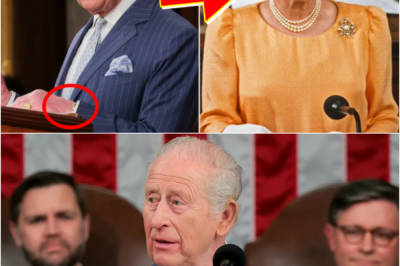
5-WORD MESSAGE — King Charles III Draws Attention During Address to U.S. Congress
The monarch’s mother similarly spoke about how diplomacy is the only way forward when tensions break on the world’s stage…
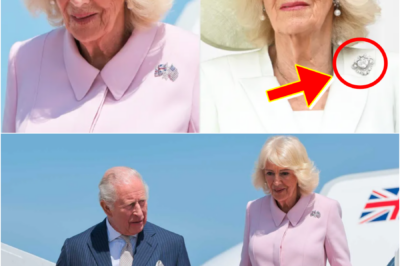
MOMENTS AGO — Queen Camilla DRAWS ATTENTION WITH A SUBTLE DETAIL IN HER OUTFIT, EVOKING Queen Elizabeth II DURING THE STATE VISIT IN THE United States
The Queen has sported two significant pins so far during the diplomatic trip Queen Camilla at Joint Base Andrews, Maryland…
End of content
No more pages to load