
From Waste to Wealth: How 26,000 Tonnes of Illegal Rubbish Became a Goldmine for Environmental Criminals in the UK
At first glance, waste is merely the end product of industrial production — something to be disposed of responsibly. But in the hands of organized environmental crime groups, waste has become a highly profitable commodity. The recent case involving the illegal dumping of more than 26,000 tonnes of waste across multiple sites in the UK has exposed a sophisticated criminal operation that turned rubbish into millions of pounds in illicit profit.
While the environment was poisoned and communities were left to deal with the consequences, those behind the scheme walked away with enormous financial gains.
Where the Money Trail Begins: Desperate to Cut Costs
Every day, factories, warehouses and industrial zones across the UK generate large volumes of waste. By law, businesses are required to pay:
Licensed waste treatment fees
Landfill tax
Transportation and environmental compliance costs
These legal costs are significant. To reduce expenses, some companies turn to waste disposal services offering prices well below market value — often without asking too many questions.
This is where the illegal money flow begins.
The Shell Companies: A Perfect Legal Disguise
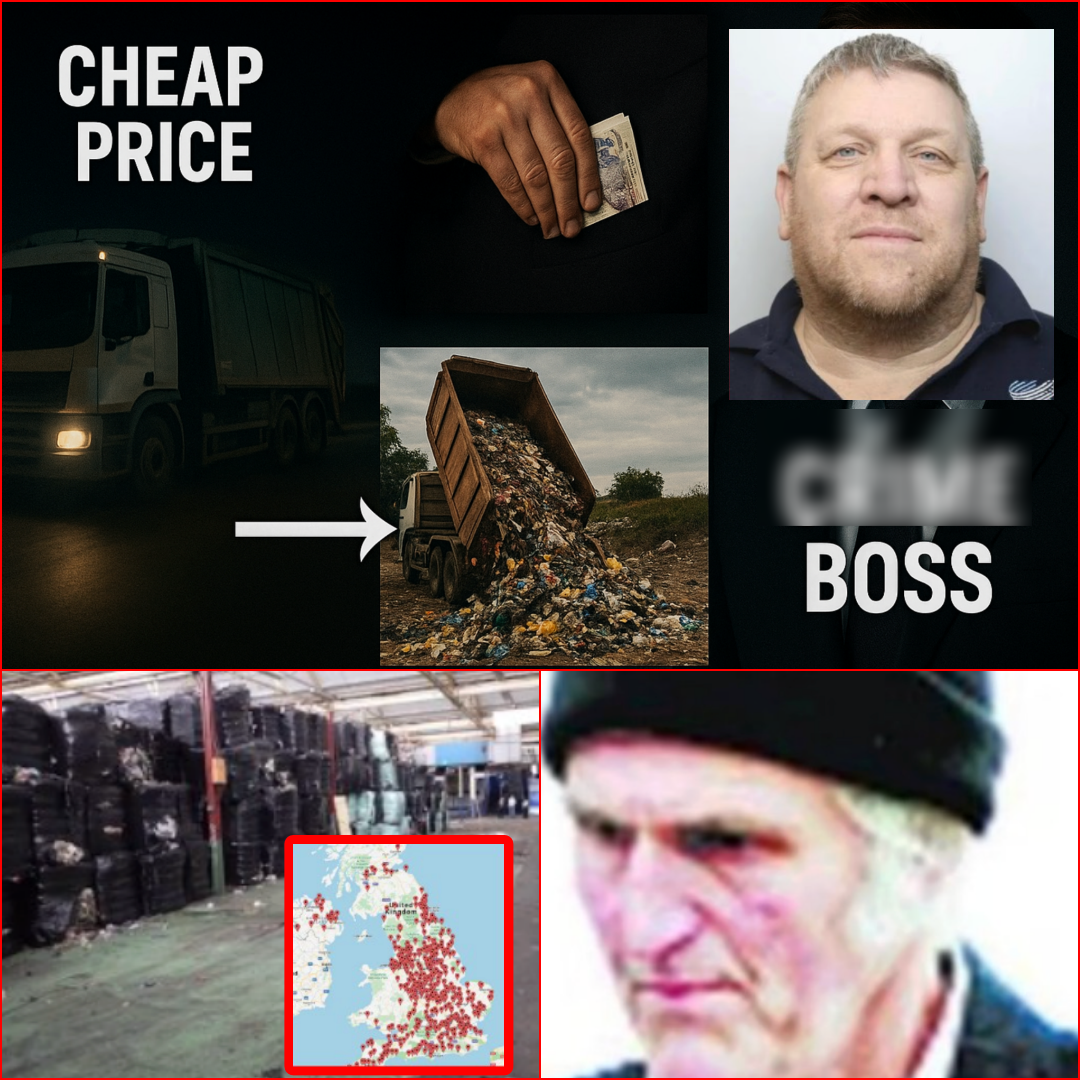
Criminal groups set up multiple front companies, presenting themselves as legitimate waste management and recycling operators. With authentic-looking contracts and professional documentation, they secured agreements with businesses seeking cheaper waste solutions.
Once contracts were signed, waste producers transferred their disposal fees as usual. Collection trucks arrived on time. The process appeared legal on the surface.
But behind the scenes, the operation was anything but legitimate.
The money had already entered the hands of organized crime.
Maximum Profit, Minimal Cost
Rather than transporting waste to licensed treatment facilities, the criminal network avoided almost every major expense:
No proper waste processing
No landfill tax paid
No environmental safeguards
No investment in real recycling infrastructure
As a result, nearly the entire disposal fee became pure profit. With minimal overhead and weak enforcement, the business model delivered extremely high returns at relatively low risk.
For prosecutors, this structure represents one of the most dangerous emerging forms of organized crime: low visibility, high revenue, and devastating long-term impact.
Where Did 26,000 Tonnes of Waste End Up?
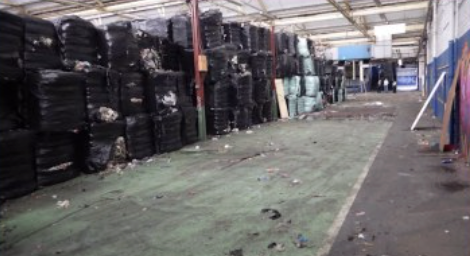
Instead of being safely treated, vast quantities of waste were secretly dumped at:
Abandoned industrial warehouses
Unused agricultural land
Vacant storage sites
Closed factories and rural locations
Some piles were briefly hidden under plastic sheeting. Others were left fully exposed. When authorities eventually discovered the sites, those responsible had already disappeared — taking the profits with them.
The waste was not destroyed. It was merely relocated.
The Human and Environmental Cost
Illegal dumping leaves far more than visual pollution. The consequences include:
Contaminated soil
Polluted groundwater
Fire hazards from unstable waste materials
Infestations of rats and insects
Respiratory illnesses among local residents
Severe loss of property value
Residents living near these dumping grounds described their neighborhoods as “environmental time bombs”, unsure when the next disaster might occur.
Who Pays for the Cleanup?
Once the illegal sites were uncovered, the criminals were long gone. The responsibility for cleanup fell on others:
Landowners faced massive removal and decontamination bills
Local governments were forced to fund emergency environmental work
Residents paid through declining health, falling property values and reduced quality of life
Cleanup costs in some areas reached millions of pounds — far beyond what many private landowners could afford.
In reality, the damage created by criminals was paid for by innocent people.
Why Environmental Crime Has Become So Profitable
Experts point to several key reasons why waste crime has grown rapidly across Europe:
Extremely high profit margins
Lower enforcement pressure compared to drug or financial crimes
Easy destruction of evidence
Victims absorb most of the financial damage
Slow legal processes and limited oversight
This “low-risk, high-reward” structure has allowed waste crime to evolve into a multi-million-pound underground industry.
A Warning Beyond the UK
The 26,000-tonne dumping case is not just a British problem. It serves as a warning for all rapidly developing nations:
Unused land and abandoned industrial zones
Businesses under pressure to cut costs
Weak environmental monitoring
Without strict regulation and transparency, the same criminal model can be replicated anywhere.


Conclusion
Waste does not disappear.
It is merely transferred — from legal responsibility into illegal profit.
While communities suffer toxic pollution and financial loss, environmental criminals quietly walk away richer than ever.
Trash never disappears.
It only turns into money in someone else’s pocket.
News

HENRY CAVILL OFFICIALLY BECOMES THE NEW HIGHLANDER — THE REBOOT IS QUIETLY SHARPENING ITS BLA-DE, AND EVERYTHING IS ABOUT TO BE SL!CED APART COMPLETELY
The immortal saga is returning—and it’s shaping up to be one of the most anticipated action reboots in years. Lionsgate…

Memory Is a Loaded G:un — Michael Imperioli and Patrick Dempsey Ignite a Brutal New Thriller Where a Fading Mind Triggers Betrayal, Bl00shed, and a War for Survival
A professional assassin’s mind must be as sharp as his blade. A dull edge can be the difference between life…

“We’re exactly the same… mom…” – At King Charles’s coronation, Catherine and Princess Charlotte didn’t need a single dramatic move to steal the spotlight — their perfectly coordinated look did it for them
Catherine and Princess Charlotte steal the show at King Charles’s coronation in perfectly coordinated colorful outfits that radiate effortless royal…

OMG! No One Was Prepared for This Moment — Princess Catherine Stepped Out, and the Entire Room Changed Because of One Unbelievable Detail
It wasn’t loud. It wasn’t dramatic. There were no sweeping gestures or grand announcements. And yet, the moment Princess Catherine…

BREAKING JUST NOW: Meghan Markle “Issues a Warning” to the Royal Family BUT Princess Anne QUIETLY SHUTS IT DOWN Overnight — Britain Is Sh0cked
In what royal watchers are calling one of the most reckless escalations since Megxit, Meghan Markle has once again thrust…

Finesse2tymes Named Ahead of Dallas Arrest — A Controversial Detail Suddenly Emerges
BILOXI, MISSISSIPPI – APRIL 15: Rapper Finesse2tymes performs during Kodak Black & Friends Concert at Mississippi Coast Coliseum on April…
End of content
No more pages to load