Rapper Trick Daddy’s recent comments about not identifying as “African-American” have sparked intense debate across social media. In a recent conversation, he stated plainly that he does not consider himself “African-American” because he has never been to Africa, does not come from there, and therefore feels the label doesn’t match his personal sense of identity. He emphasized that he was born and raised in the United States, specifically in Florida, so the identity that feels most natural to him is simply “American,” not someone with a direct African background he has never experienced.
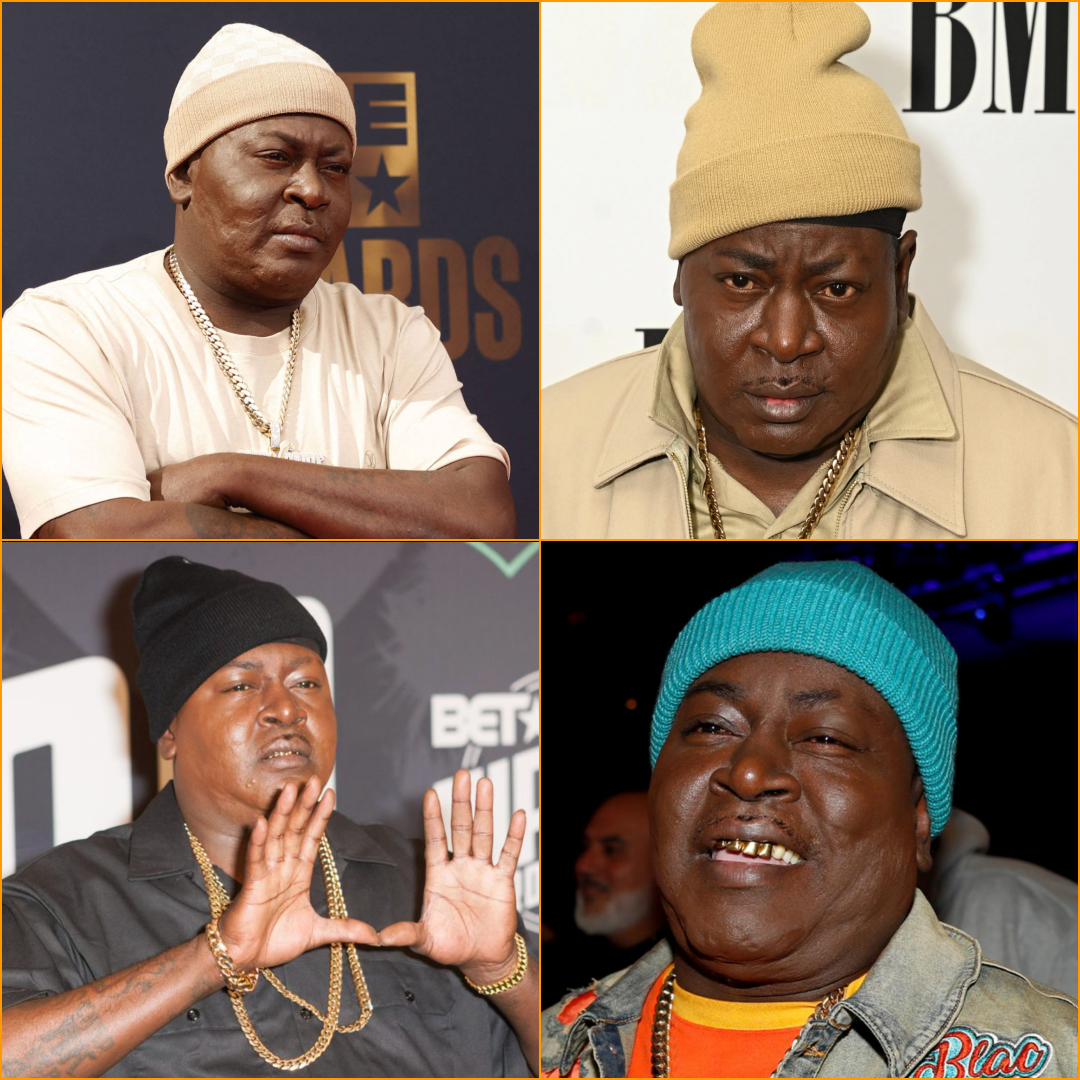
Trick Daddy acknowledged that Africa is often referred to as the “motherland,” the ancestral home of people of African descent. However, he explained that in the case of his family — his mother, grandmother, and great-grandmother — none of them were born in Africa or lived there, so “that’s not their land.” Following this logic, the land he views as his true origin, the place tied to his family for generations, is the United States. Because of this, he believes that attaching the word “African” to his identity is unnecessary and doesn’t reflect who he feels he is.
His remarks immediately ignited strong reactions. For many people, the term “African-American” has deep historical significance. Millions of Black Americans are descendants of Africans who were forcibly brought to the United States through the transatlantic slave trade. As a result, the “African” in “African-American” is not about whether someone has lived in Africa, but about acknowledging ancestral roots, honoring history, and recognizing the community’s shared past. To these individuals, Trick Daddy’s rejection of the term on the grounds that he has “never been to Africa” overlooks an essential historical context.
Many scholars and identity researchers also point out that “African-American” carries a dual meaning: it denotes Black racial identity as well as cultural and historical heritage tied to Africa. Therefore, rejecting the term is not merely a linguistic disagreement — it touches on collective memory and cultural identity. For some, Trick Daddy’s statement feels like a dismissal of the history that has shaped the Black community over centuries.
Additionally, critics argue that by emphasizing “I’m American” rather than “African-American,” Trick Daddy may be downplaying the African heritage that many Black Americans take pride in preserving. Meanwhile, his supporters say identity is deeply personal, and everyone has the right to choose how they define themselves, whether or not it aligns with traditional or historical labels.
Despite the backlash, Trick Daddy’s statement isn’t a lie or an attempt to provoke outrage. It reflects his own personal experience and sense of self — something inherently complex and often different even among people who share similar backgrounds. However, because conversations about race and history are highly sensitive in the United States, remarks from a public figure naturally trigger strong emotional responses.
Ultimately, Trick Daddy’s comments raise a larger question: What defines identity? Is it the place we’re born, our bloodline, our culture, or simply how we see ourselves? This debate has no single answer — and perhaps that’s why discussions like this continue to stir conversation whenever a figure like Trick Daddy steps into the spotlight.
News
EXPL0SIVE — “BRU-TAL BLAST”: Prince Harry Sh0cks With Just Two Words Amid Sentebale Legal Storm
The Duke of Sussex is being sued by a charity he helped co-found in 2006 in honour of Princess Diana…

WHO IS PAYING FOR THIS TRIP? — Prince Harry AND Meghan Markle SPARK BACKLASH OVER CLAIMS PART OF THEIR AUSTRALIA TOUR IS FUNDED BY TAXPAYER MONEY
The team of Prince Harry and Meghan Markle, who are the Duke and Duchess of Sussex, had yesterday insisted their…
SH0CKING RELATIONSHIP ENDS IN TRAG-E-DY… — Jennifer Lieber sentenced after a sh00ting that left her cousin-turned-lover d*ad inside a mansion in Minnesota
The estranged wife of a Delta Airlines pilot fatally shot her cousin-turned-live-in boyfriend during a late-night drunken rampage and cried…

IN JUST SECONDS… — 3 people seriously att@cked as the scene at Grand Central Terminal descends into chaos
A maniac slashed three elderly people with a machete in an unprovoked attack and was fatally shot by cops at…
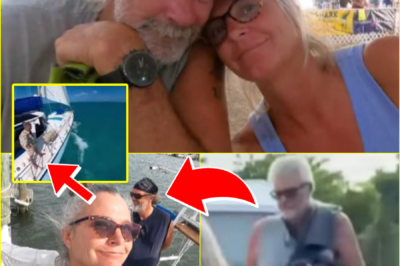
HE SAID HE WAS ASSAULT3D BY HIS WIFE… — Brian Hooker gives a striking statement amid the mysterious disappearance of Lynette Hooker
Lynette Hooker, left, and Brian Hooker. From Lynette Hooker/Facebook It has been nearly a week since she vanished at sea,…

🚨 CHA0S ERUPTS AT Grand Central Terminal AS MACHETE-WIELDING ATT@CKER IS SH0T BY POLICE AFTER ST@BBING 3 ELDERLY COMMUTERS
A maniac slashed three elderly people with a machete in an unprovoked attack and was fatally shot by cops at…
End of content
No more pages to load