TO THE V-I-CTIM’S FAMILY… — Sean Gathright Breaks Down While Delivering An Apology In The Julio Foolio Case, Every Word Leaving The Courtroom Silent
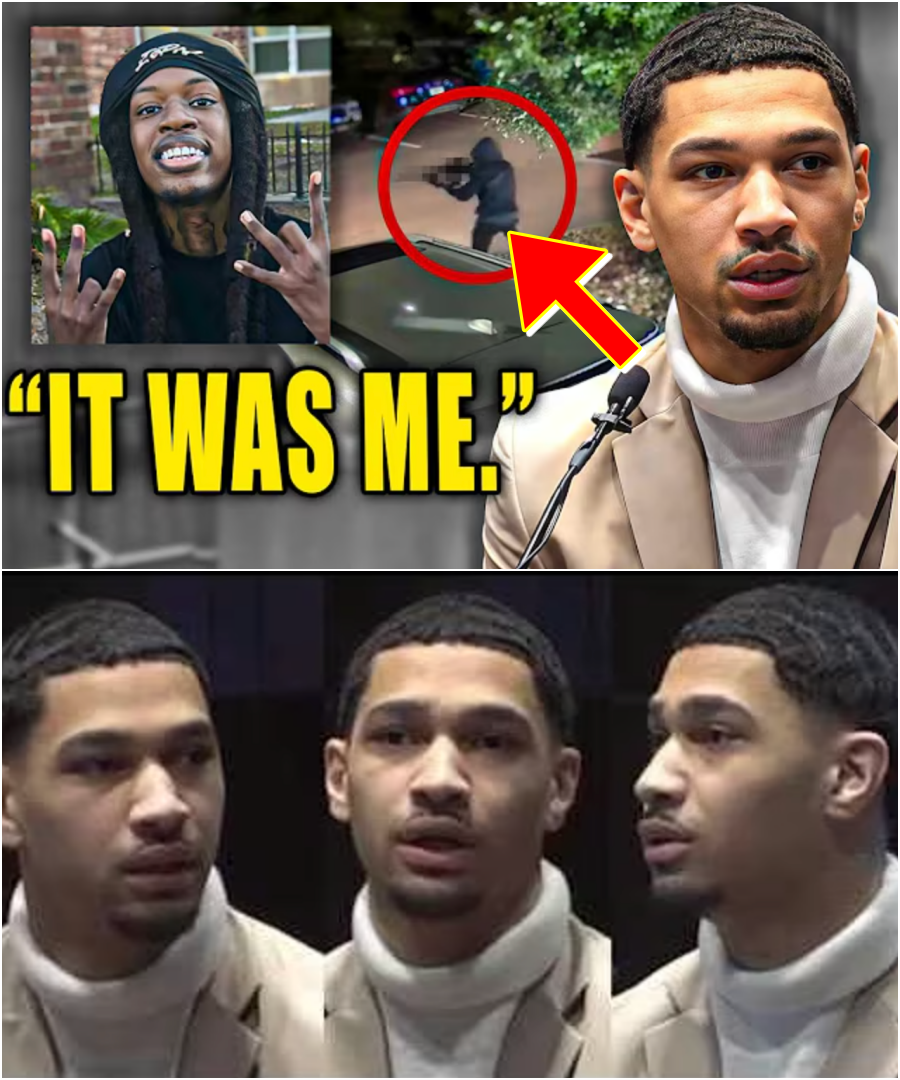
The courtroom turned emotional as Sean Gathright delivered lengthy testimony during the sentencing phase connected to the murder of rapper Julio Foolio, offering an apology to the victim’s family while attempting to explain the regret, faith, and personal transformation he says he has experienced behind bars.
At the beginning of his testimony, Gathright calmly confirmed his identity and date of birth before telling the court he was not there to argue or avoid responsibility. Instead, he said he wanted to “be a man” and accept accountability for his actions.
One of the most closely watched moments came when Gathright directly addressed the victim’s loved ones.
“To the victim’s family, I want to send my deepest condolences,” he stated emotionally during the hearing, later repeating his regret over the violence that changed multiple lives forever.
Throughout the testimony, Gathright attempted to portray himself as someone seeking redemption while incarcerated. He told jurors that he has dedicated much of his time in jail to religion, reading the Bible, praying, and participating in faith-based groups with other inmates.
According to Gathright, his time behind bars forced him to reflect deeply on the path his life had taken. He claimed he now hopes to use his experiences to guide younger people away from violence and criminal behavior, explaining that he would like to become a mentor for troubled youth in the future.
The courtroom remained attentive as Gathright spoke about wanting to spend the rest of his life helping others avoid making the same mistakes he made.
However, the tone inside the courtroom shifted dramatically once prosecutors began their cross-examination.
During questioning, prosecutors aggressively challenged Gathright over the details surrounding the night Julio Foolio was killed. They pressed him about the use of weapons, the events leading up to the shooting, and allegations involving the disposal of evidence afterward.
The prosecution also highlighted what they described as a major contradiction between Gathright’s upbringing and the crimes for which he was convicted.
Jurors heard repeated references to the opportunities Gathright reportedly had growing up, including a supportive family environment, international travel experiences, access to good schools, and a stable upbringing compared to many defendants seen in violent crime cases.
Prosecutors appeared determined to emphasize that Gathright’s background offered advantages and opportunities that, in their view, made his involvement in the deadly violence even harder to justify.
The tense exchange created one of the most dramatic moments of the sentencing proceedings, as the courtroom shifted between emotional remorse and sharp prosecutorial scrutiny.
Later in the hearing, Gathright attempted to explain how moving to Jacksonville as a child affected him socially and emotionally. He described himself at the time as impressionable and vulnerable to outside influences while trying to adapt to a different environment and culture.
Despite the aggressive questioning from prosecutors, Gathright maintained that he was sincerely remorseful for the pain caused by the case. He repeatedly insisted that he wanted to change and hoped to dedicate his remaining years toward positive work and helping younger generations avoid destructive decisions.
As clips from the testimony began spreading online, reactions quickly became divided.
Some viewers believed Gathright’s emotional apology and discussion of faith reflected genuine remorse, while others argued that the prosecution’s questions raised larger concerns about accountability and responsibility in such a high-profile murder case.
The sentencing phase in the Julio Foolio murder trial remains ongoing, with final decisions expected to carry life-changing consequences for everyone involved.