Tesla Shareholders Celebrate at Year-End as Elon Musk Pulls the Stock Back to Its Peak Exactly One Year Later
CNBC commented that Tesla investors had a fairly difficult start to 2025. However, by the end of the year, the situation had changed, and they unexpectedly received plenty of good news to celebrate.
Specifically, after Tesla shares plunged 36% in the first quarter—the worst quarter since 2022—the stock rebounded fully, closing at a record high of $489.88 (up 3.1% on Tuesday) and is now up 21% year-to-date.
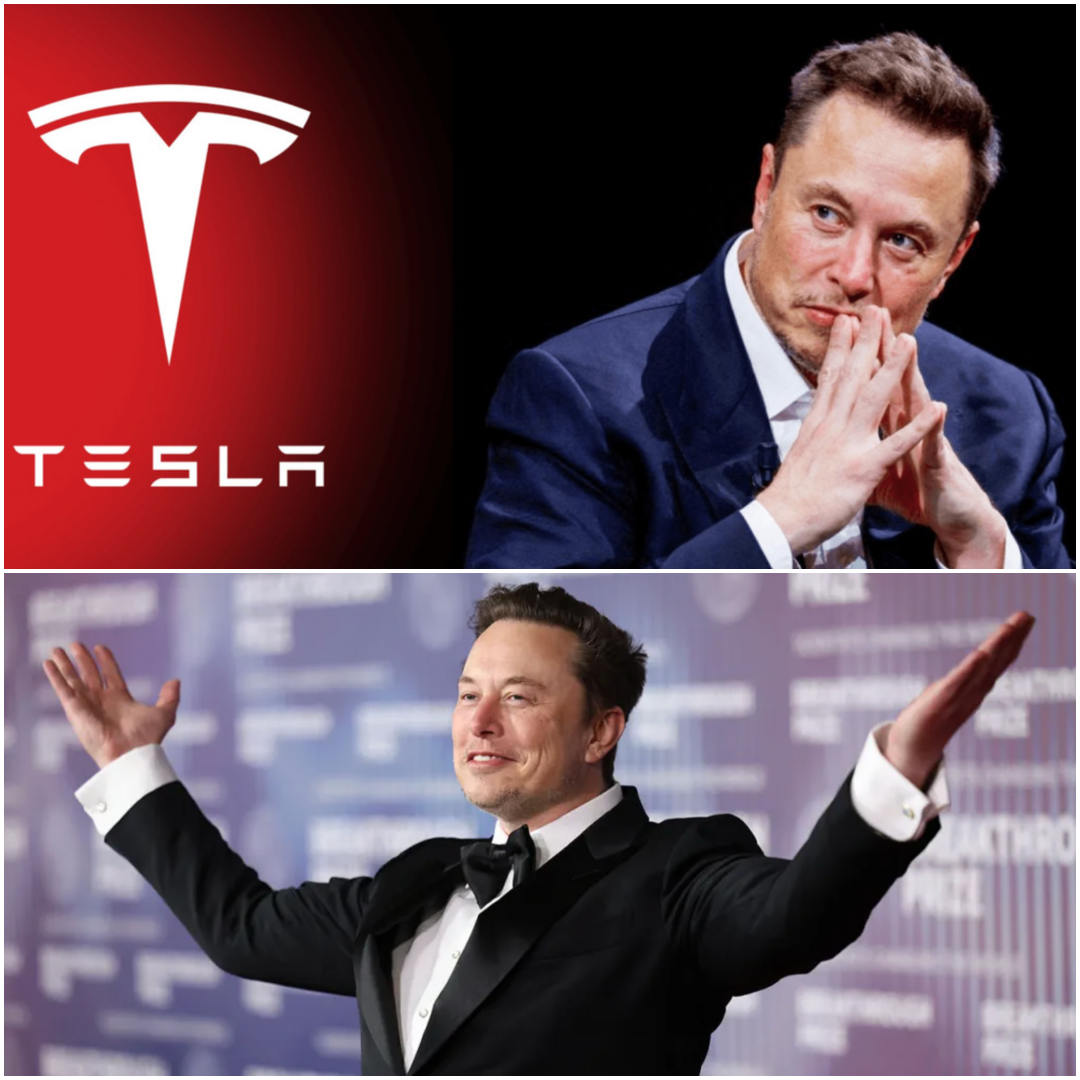
“The Seller of Grand Dreams” Elon Musk: Pulling Tesla Stock Back to the Peak After a 36% Plunge Triggered by a Single Statement — Personally Pocketing Over $200 Billion USD – Photo 1.
Even the previous session’s intraday high of $488.54 was reached at almost exactly the same level as a year earlier, while the prior record closing price stood at $479.86.
This week’s boost came after CEO Elon Musk, the world’s richest person, said Tesla is testing fully self-driving vehicles in Austin, Texas, with no one inside the cars. The announcement came nearly six months after the company launched a pilot program with safety drivers.
Thanks to the rally, Tesla’s market capitalization rose to $1.63 trillion, making it the seventh most valuable public company, behind Nvidia, Apple, Alphabet, Microsoft, Amazon, and Meta, and slightly ahead of Broadcom. According to Forbes, Musk’s net worth is now about $684 billion, more than $430 billion higher than that of Larry Page, Google’s co-founder, who ranks second.
Bullish investors see this as a sign that the company may finally deliver on its long-standing promise: turning existing electric vehicles into robotaxis simply through software updates.
However, Tesla’s autonomous driving systems currently being tested in Austin have not yet been rolled out widely, and many questions about safety remain.
2025 has truly been a roller-coaster ride for Tesla. The company started the year in what seemed like a favorable position thanks to Musk’s role in the White House of President Donald Trump, where he headed the Department of Government Efficiency (DOGE), tasked with aggressively streamlining the bureaucracy and cutting federal regulations.
But Musk’s public support for far-right figures in various places and his combative political statements sparked consumer boycotts, continuing to weigh on Tesla’s brand reputation and sales.
In the first quarter, Tesla reported vehicle deliveries down 13% and automotive revenue down 20%. In the second quarter, the stock recovered, but sales continued to decline, with automotive revenue falling 16%.
The second half of the year was more positive. In October, Tesla posted a 12% increase in third-quarter revenue as U.S. buyers rushed to purchase electric vehicles ahead of the expiration of a federal tax credit at the end of September. The stock surged 40% during this period.
Still, business challenges remain due to the loss of tax incentives, backlash targeting Musk, and intense competition from cheaper or more appealing EV models from BYD and Xiaomi in China, as well as Volkswagen in Europe.
In October, Tesla introduced lower-priced versions of the Model Y and Model 3, but so far these have failed to boost sales in the U.S. or Europe. In the U.S., the new stripped-down options appear to be cannibalizing sales of higher-priced models. According to Cox Automotive, Tesla’s U.S. sales in November fell to their lowest level in four years.
Despite the challenging environment for EV makers in the U.S., Mizuho this week raised its Tesla price target to $530 from $475 and maintained a buy rating. The firm’s analysts wrote that reported improvements in FSD (Full Self-Driving (Supervised)) technology “could support rapid expansion” of the robotaxi fleet in Austin, San Francisco, and “could potentially eliminate” the need for human supervisors in the near future.
Currently, Tesla operates a branded Robotaxi ride-hailing service in Texas and California, but the vehicles still have drivers or safety personnel seated inside.
News
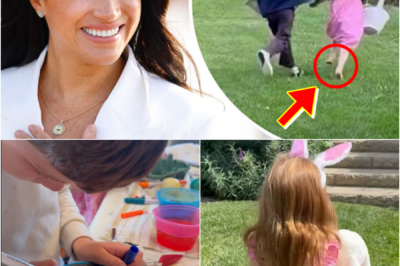
EXPL0SIVE HOME VIDEO SURFACES: Archie & Lilibet Caught Running Around Searching for Something in Rare Clip That’s Sending Royal Fans Into a Frenzy
Both of the Duke and Duchess of Sussex’s children inherited Prince Harry’s red hair Meghan Markle during a visit to…
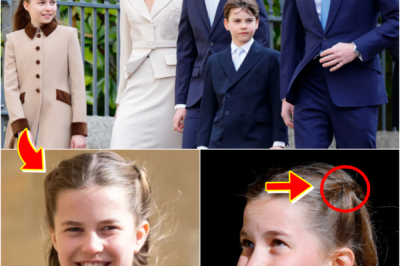
A fleeting moment from Princess Charlotte at the Easter service hides a detail that has the entire royal community talking!
The young royal subtly switched up her signature hairstyle Princess Charlotte attends the 2026 Easter Matins Service at St George’s…
🚨SHOCKING “REVENGE” MOVE? — Meghan Markle and Prince Harry are suspected of pushing the Royal Family into a new wave of tension!
The Sussexes’ calendar is ramping up with their upcoming Australia visit and a raft of new TV deals, but they…
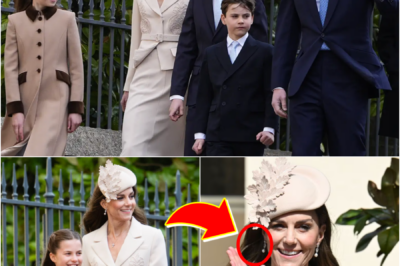
🔥 Royal Fans Are Stunned by Catherine’s Easter Appearance — The Subtle Detail Everyone’s Whispering About!
Her return to the Easter service after two years, Queen Elizabeth II’s historic jewels, and a new hat signal continuity,…
All eyes on Prince George at the Easter service — and the reason has fans “gasping”…
Royal fans are in awe at how tall Prince George, 12, has gotten – as William and Kate’s eldest son…
SH0CKING ROYAL EASTER INCIDENT! Prince Edward and Sophie found themselves in an awkward situation following a puzzling move by Andrew Mountbatten-Windsor, leaving royal watchers constantly speculating
Prince Edward and Sophie were forced to use a ‘holiday let’ in Sandringham because Andrew Mountbatten-Windsor refuses to leave their vacation…
End of content
No more pages to load